How the Soviet Union attempted to engineer nations from a vast, multiethnic empire
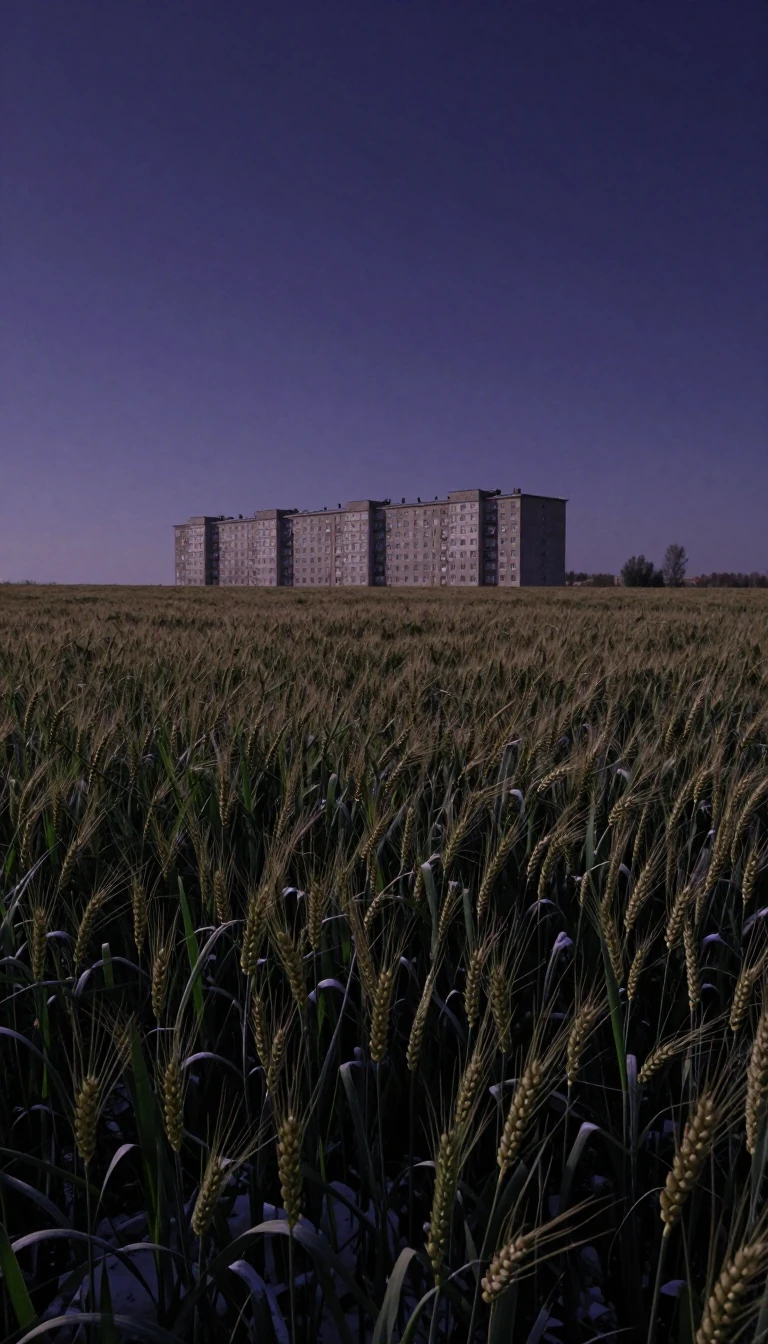
In short: After 1917, the Soviet state launched an ambitious project to categorize its diverse population into distinct, territorially defined nations. By mapping ethnic groups to specific lands and building national institutions from scratch, the Bolsheviks sought to stabilize their federation, creating a legacy that persists in today's post-Soviet borders.
The Soviet policy of national-territorial delimitation, or razmezhevanie, was a radical departure from the Russian Empire's approach. Rather than maintaining a singular imperial identity, the Bolsheviks aimed to formalize ethnic diversity by granting recognized groups their own territories, languages, and cultural institutions. This process was guided by Joseph Stalin’s 1913 definition of a nation as a stable community defined by shared language, territory, economic life, and culture. The state actively promoted national self-consciousness, even for small minorities, through the development of native-language schools, press, and theaters.
In Central Asia, this project faced immense practical hurdles. The region was ethnically mixed, and local identities often revolved around religion or geography rather than modern national categories. Soviet authorities, often lacking precise ethnographic data, struggled to balance ethnic homogeneity with economic and infrastructural viability. This resulted in complex, convoluted borders and the creation of enclaves, as officials adjudicated between competing claims from local elites. The process was not intended to create international frontiers, yet it fundamentally reshaped the region's political geography.
By the 1930s, the initial optimism of this nation-building project began to shift under Stalin. Repressive policies, including ethnic deportations and the abolition of national institutions, emerged, particularly targeting groups with cross-border ties that were viewed as potential security threats. Despite these contradictions, the institutional framework established during this era—such as the 15 Union-level republics—provided the structural foundation for the independent states that emerged following the Soviet Union's dissolution in 1991. Today, the legacy of these borders continues to influence the political landscape of Eurasia.
Opens the Intellect+ feed with this card first. Swipe up for the next one.
Sources
- Summary by Intellect · source: National delimitation in the Soviet Union
To cite this card, link to https://intellectplus.co.uk/app/science-national-delimitation-in-the-soviet-union.
How we source, check and correct cards: Editorial standards.
General information, not professional advice. Spotted an error? Flag the card or see corrections and complaints.
Intellect Plus is a visual educational discovery platform for exploring fascinating facts and ideas. Brain Food, Not Brain Rot. What is Intellect Plus?
Related
More in Mathematicians · More in Science · Latest · A–Z · All topics
