How Newcastle Central Station pioneered the arched roof and solved a major rail bottleneck.
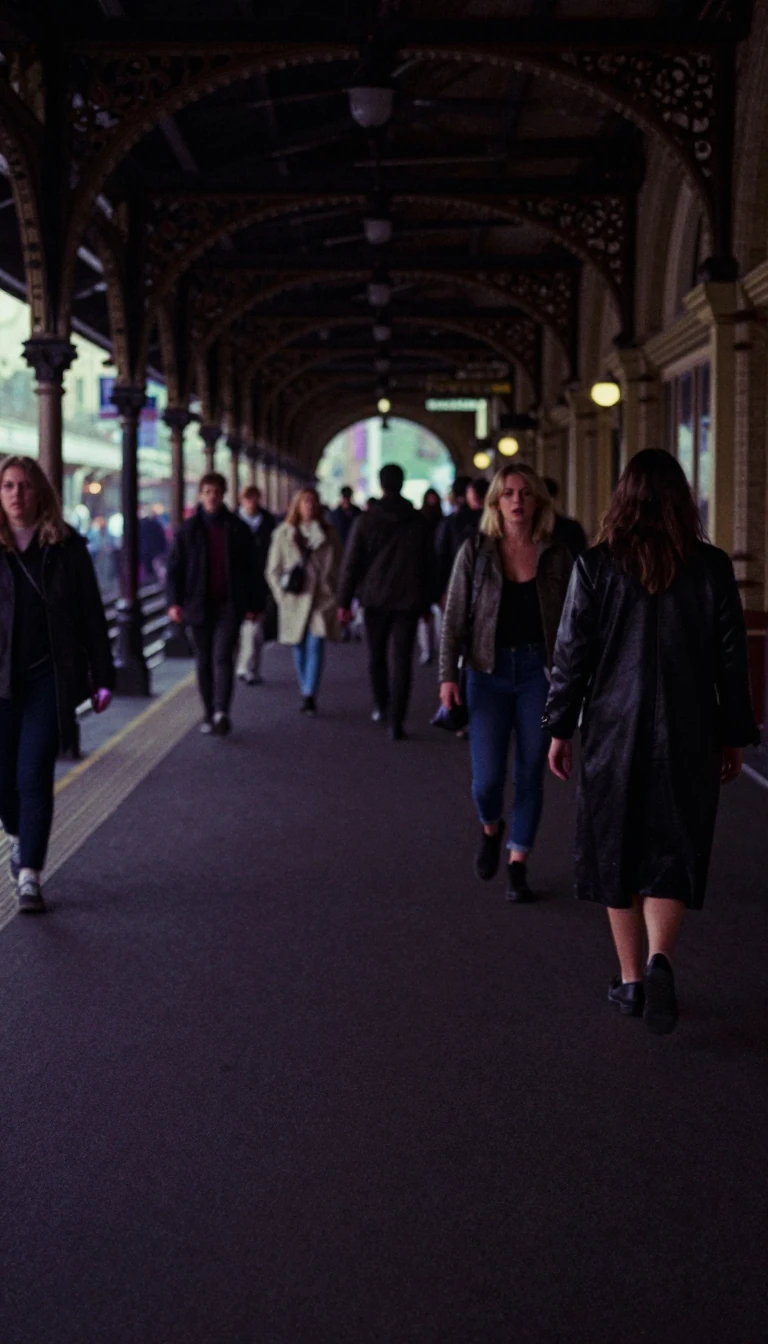
In short: Opened in 1850, Newcastle Central Station was a marvel of Victorian engineering, featuring the first arched roof built with curved wrought iron ribs. Beyond its architectural grandeur, the station transformed from a congested terminal requiring trains to reverse, into a fluid hub thanks to the 1906 King Edward VII Bridge.
Designed by architect John Dobson and engineer T E Harrison, the station was a response to the complex railway geography of the mid-19th century. Initially, the Newcastle and Carlisle Railway and the York, Newcastle and Berwick Railway required a unified site. The resulting structure, a Grade I listed building, featured a pioneering roof design. By using curved wrought iron ribs instead of cutting rectilinear plates, the project saved an estimated 14% on ironwork costs, a technique credited to Thomas Charlton.
The station's early operations were hampered by the need for trains to reverse. Because the East Coast Main Line approached from the south via the High Level Bridge, through trains from London to Scotland were forced to reverse within the station. This caused significant congestion and lengthened journey times. The solution arrived in 1906 with the opening of the four-track King Edward VII Bridge, which allowed trains to enter and leave from either side of the station, drastically improving efficiency.
Over the decades, the station underwent massive expansions to accommodate rising traffic. Platform numbers grew from six in 1871 to fifteen by 1894, with the roof eventually covering seven and a half acres. The 20th century brought further modernization, including the transition from gas to electric arc lighting in 1900 and the introduction of electric suburban trains in 1904. In the 1980s, the construction of an underground Tyne and Wear Metro station beneath the main site further integrated the city's transport network.
Today, the station serves as a principal stop on the East Coast Main Line, operated by London North Eastern Railway. While it once housed a historic locomotive named Billy—built between 1815 and 1826—the station now focuses on high-speed inter-city connectivity. Its evolution from a constrained terminus to a vital through-station reflects the broader history of British rail development, balancing Victorian architectural ambition with the practical demands of modern transit.
Opens the Intellect+ feed with this card first. Swipe up for the next one.
Sources
- Summary by Intellect · source: Newcastle railway station
To cite this card, link to https://intellectplus.co.uk/app/science-newcastle-railway-station.
How we source, check and correct cards: Editorial standards.
General information, not professional advice. Spotted an error? Flag the card or see corrections and complaints.
Intellect Plus is a visual educational discovery platform for exploring fascinating facts and ideas. Brain Food, Not Brain Rot. What is Intellect Plus?
Related
More in Mathematicians · More in Science · Latest · A–Z · All topics
