Why the color of unripe fruit became the definitive shade of modern warfare
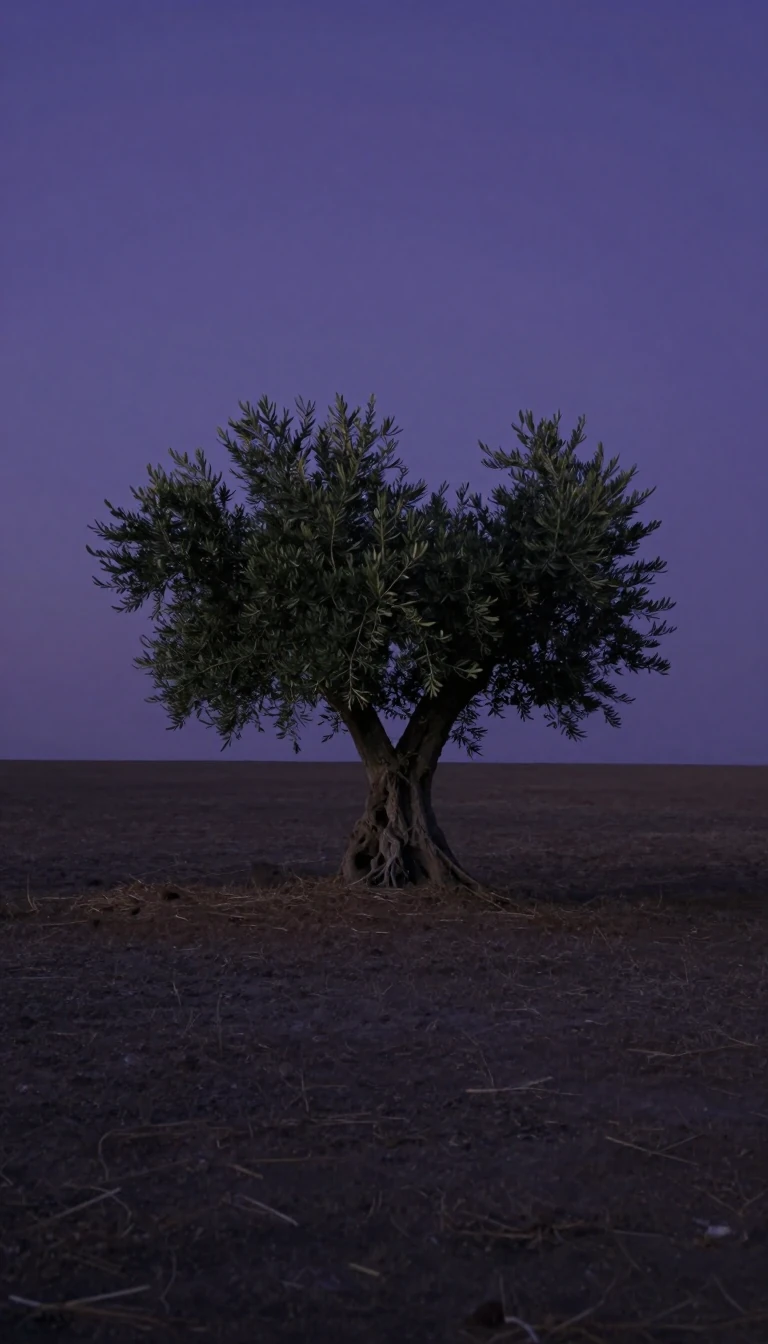
In short: Olive is more than a dark yellowish-green. It is a cultural chameleon, shifting from the hue of raw wool to the standard of military camouflage. From the trenches of the twentieth century to the world's ugliest color, olive drab has defined how we perceive authority, patriotism, and even plain packaging.
The color olive, named for the unripe fruit, entered the English lexicon in late Middle English. Its most famous derivative, olive drab, has a more complex history. The term 'drab' originated in the 16th century, describing the dull brown of undyed homespun wool, derived from the Old French word for cloth. By 1892, the specific combination known as olive drab appeared in the English language, eventually becoming synonymous with the military.
During World War II, the United States Army utilized a variety of olive drab shades to distinguish personnel and equipment. Enlisted soldiers wore Olive Drab #33, while officers donned the darker Olive Drab #51. Field gear was typically a lighter, khaki-like shade known as Olive Drab #3. By 1943, the military transitioned to the darker Olive Drab #7, which was eventually replaced in 1952 by the grayer Olive Green 107. This shade remained standard through the Vietnam War until the 1981 introduction of the M81 Battle Dress Uniform.
Beyond the battlefield, the color carries heavy symbolic weight. In the novel A Separate Peace, the protagonist identifies olive drab as the singular 'patriotic color' of wartime. Yet, the color's reputation is not universally revered. Pantone 448 C, a shade of olive green, has been infamously labeled the 'ugliest color in the world' and is currently employed on plain tobacco packaging to discourage consumption. Whether representing the mineral olivine, the skin tones of Mediterranean ethnicities, or the camouflage of modern armies, olive remains a versatile, if contested, presence in our visual world.
While solid olive drab is less effective for concealment than modern multi-color patterns, it persists in military webbing and accessories. Today, nations including India, Israel, Cuba, and Venezuela continue to utilize solid olive drab for their combat uniforms, maintaining a tradition that links the color inextricably to the machinery of the state and the aesthetics of global conflict.
Opens the Intellect+ feed with this card first. Swipe up for the next one.
Sources
- Summary by Intellect · source: Olive (color)
To cite this card, link to https://intellectplus.co.uk/app/science-olive-color.
How we source, check and correct cards: Editorial standards.
General information, not professional advice. Spotted an error? Flag the card or see corrections and complaints.
Intellect Plus is a visual educational discovery platform for exploring fascinating facts and ideas. Brain Food, Not Brain Rot. What is Intellect Plus?
Related
More in History · Latest · A–Z · All topics
