Oryol Oblast: A Russian Heartland Defined by Its Fertile Black Earth and Strategic Pipelines
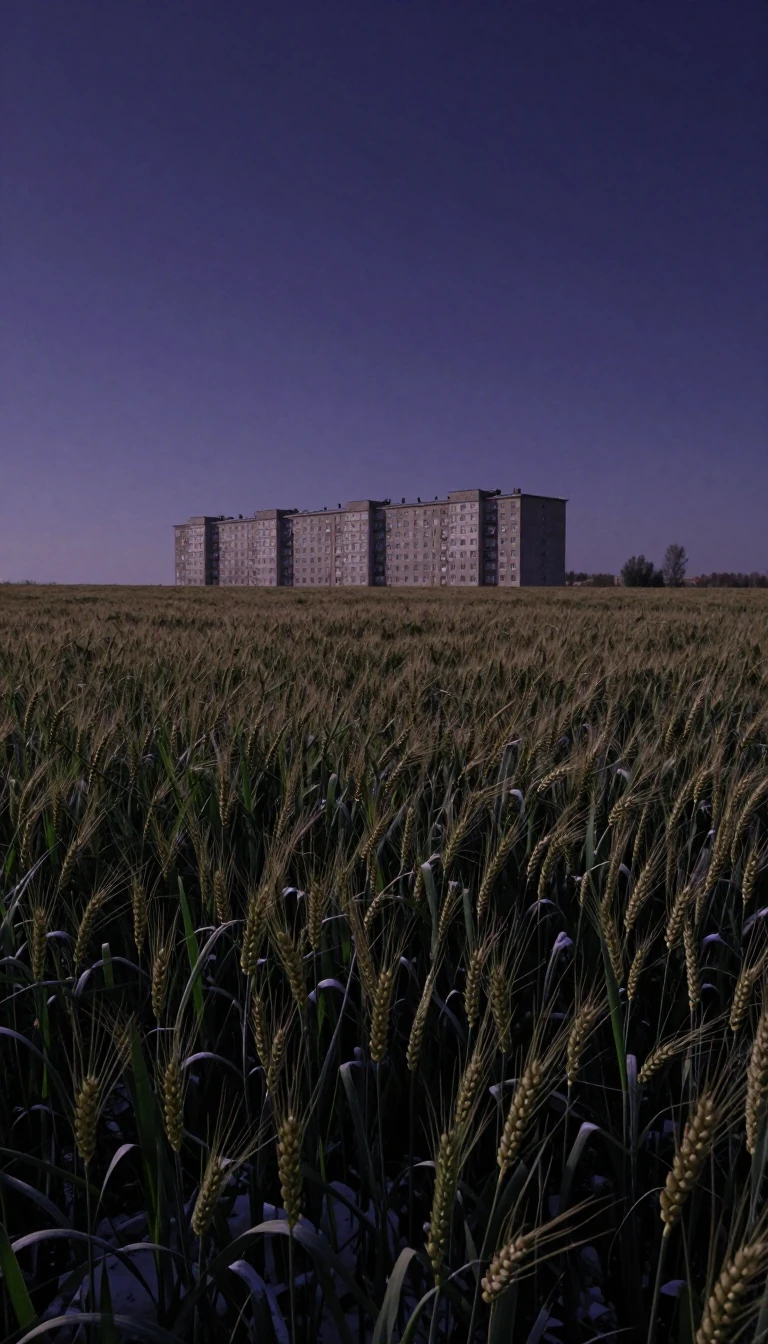
In short: Located in the rolling hills of the Central Russian Upland, Oryol Oblast is a vital agricultural and industrial hub. Once a defensive borderland, this region now serves as a critical transit point for international energy pipelines while maintaining a deep connection to its historic, nutrient-rich chernozem soil reserves.
Oryol Oblast, or Orlovshchina, occupies 24,652 square kilometers within the Central Federal District. Its geography is defined by the Central Russian Upland, where the upper Oka River originates. Historically, the region served as a defensive frontier for the Tsardom of Russia, featuring fortifications like the Great Abatis Line during the 16th and 17th centuries. Today, the landscape is characterized by its significant chernozem, or black earth, which covers 4,800 square kilometers—an amount estimated to represent three-quarters of the world's total reserves of this highly fertile soil.
The region's economy balances intensive agriculture with diverse industrial sectors. While grain crops like winter wheat and rye remain central to its agricultural output, the oblast also hosts advanced engineering, metalworking, and electronics industries. Beyond production, Oryol functions as a major energy transit corridor. It hosts the Druzhba oil-trunk pipeline, which stretches 202 kilometers through the area, facilitating exports to Belarus, Ukraine, and the Baltic states. This infrastructure is supported by a robust transportation network, including the M2 Crimea highway and a double-track electrified rail line connecting Moscow to Kharkiv.
Governance in the region has evolved significantly since the Soviet era. Following the dissolution of the CPSU's monopoly on power in 1991, the administrative structure shifted toward a system led by a governor and an elected legislative body, the Council of People's Deputies. The current council, elected in 2021, reflects a mixed-member proportional representation system. Despite these modern political and industrial developments, the region retains a population of 713,374 as of the 2021 census, with a demographic profile that continues to navigate the transition from its historical roots as a forest-steppe borderland to its current role in the Russian Federation.
Opens the Intellect+ feed with this card first. Swipe up for the next one.
Sources
- Summary by Intellect · source: Oryol Oblast
- Also: www.britannica.com — Oryol | Oryol Region, Central Russia, History | Britannica
To cite this card, link to https://intellectplus.co.uk/app/science-oryol-oblast.
How we source, check and correct cards: Editorial standards.
General information, not professional advice. Spotted an error? Flag the card or see corrections and complaints.
Intellect Plus is a visual educational discovery platform for exploring fascinating facts and ideas. Brain Food, Not Brain Rot. What is Intellect Plus?
Related
More in Physics · More in Science · Latest · A–Z · All topics
