Passivation is the art of making materials invisible to the corrosive forces of nature.
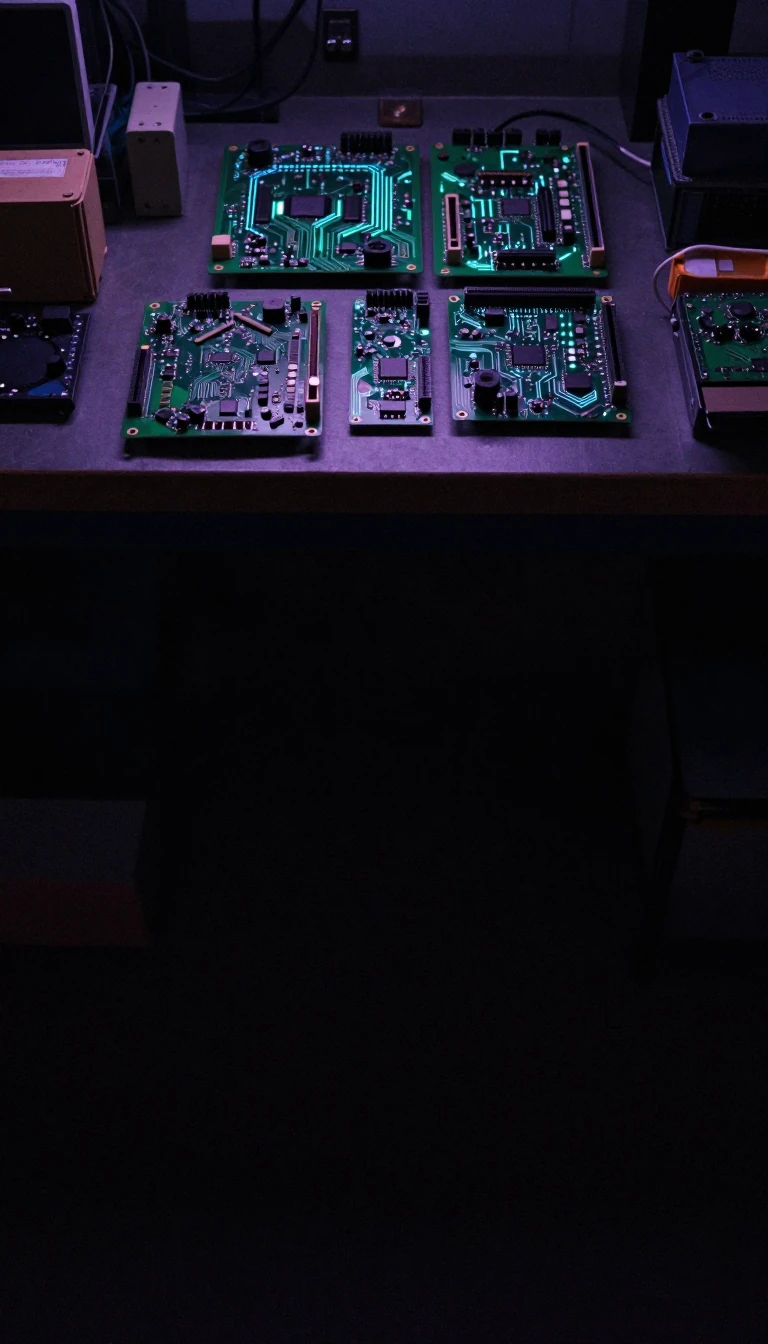
In short: To prevent metals from crumbling into rust, engineers use passivation—a process that creates a protective, inert shield on a surface. Whether by natural oxidation or deliberate chemical baths, this thin layer acts as a barrier, transforming reactive materials into stable, long-lasting components essential for everything from electronics to aerospace.
Passivation is fundamentally about creating a shield. When certain metals like aluminium, titanium, or silicon are exposed to air, they spontaneously develop a thin, hard, and relatively inert surface layer—usually an oxide—that halts further corrosion. This is a stark contrast to iron, which forms porous, non-adherent rust that flakes away, exposing fresh metal to continued decay. By understanding these mechanisms, engineers can manipulate surfaces to enhance durability, such as by using nitric or citric acid baths to remove surface contaminants and restore a protective oxide film on stainless steel.
In high-tech applications, the stakes are higher. For silicon-based microelectronics and solar cells, passivation is not just about preventing rust; it is about eliminating 'dangling bonds' and electronic defects that impair device performance. Thermal oxidation at temperatures around 1000 °C is typically used to create a high-resistivity silicon dioxide layer. This process is critical, as effective surface passivation can improve solar cell efficiency by 3% to 7%. Beyond metals and semiconductors, researchers are even exploring passivation for emerging technologies like perovskite solar cells and carbon quantum dots.
The history of this phenomenon dates back to the mid-1800s, when Christian Friedrich Schönbein observed that iron treated in concentrated nitric acid became 'passive' and resistant to further reaction in dilute acid. Today, the process is governed by rigorous industry standards like ASTM A 967 and AMS 2700. Whether through anodizing, chromate conversion, or simple chemical rinsing, the goal remains the same: to create a stable, non-reactive surface. By carefully controlling these chemical interfaces, we can extend the lifespan of materials in environments ranging from deep-sea water to the vacuum of space.
Opens the Intellect+ feed with this card first. Swipe up for the next one.
Sources
- Summary by Intellect · source: Passivation (chemistry)
To cite this card, link to https://intellectplus.co.uk/app/science-passivation-chemistry.
How we source, check and correct cards: Editorial standards.
General information, not professional advice. Spotted an error? Flag the card or see corrections and complaints.
Intellect Plus is a visual educational discovery platform for exploring fascinating facts and ideas. Brain Food, Not Brain Rot. What is Intellect Plus?
Related
More in Reactions and synthesis · More in Science · Latest · A–Z · All topics
