Precipitation is the art of turning liquid solutions into solid, measurable chemical treasures.
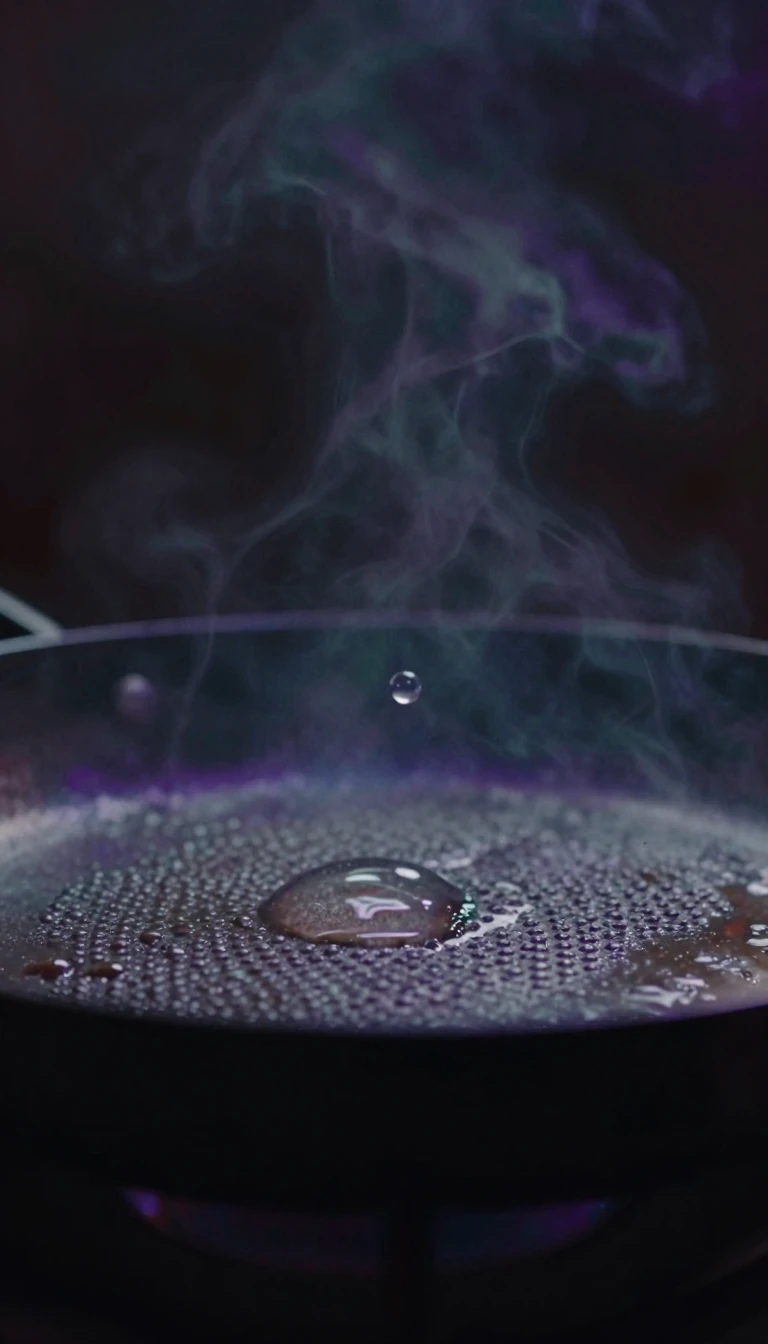
In short: When a solution becomes supersaturated, it sheds its excess cargo as a solid precipitate. This fundamental chemical process is not just for lab beakers; it is how we purify proteins, strengthen industrial alloys, and even manage radioactive waste. Understanding how to control this transition is a cornerstone of modern science.
At its core, precipitation is the sedimentation of a solid material from a liquid solution. This occurs when the concentration of a compound exceeds its solubility limit, creating a supersaturated state. Whether triggered by temperature shifts, solvent evaporation, or mixing, the process forces ions to aggregate. If these particles lack sufficient attraction forces, they remain suspended as colloids, but with the right conditions, they settle as a precipitate, leaving behind a liquid known as the supernate.
Chemists master this behavior through techniques like digestion, or precipitate ageing, where the solid is left in the solution at higher temperatures. This encourages Ostwald ripening, a process that yields larger, purer crystals. In analytical chemistry, this is vital for gravimetric analysis, where scientists identify and quantify ions by weighing the resulting solids. For instance, adding silver nitrate to potassium chloride yields silver chloride, a classic example of this transformation.
Beyond the lab, precipitation is a workhorse of industry and safety. It is the primary method for removing dangerous radionuclides like 137Cs from radioactive waste and is widely used to produce metal hydroxides. In metallurgy, precipitation from solid solutions strengthens alloys, though it requires precise control; if ceramic phases like zirconium hydrides form in nuclear fuel cladding, they can cause brittle failure. From purifying DNA to synthesizing nanoclusters, the ability to force matter out of solution remains one of our most powerful tools for manipulating the physical world.
Opens the Intellect+ feed with this card first. Swipe up for the next one.
Sources
- Summary by Intellect · source: Precipitation (chemistry)
- Also: www.britannica.com — Precipitation reaction | chemistry | Britannica
To cite this card, link to https://intellectplus.co.uk/app/science-precipitation-chemistry.
How we source, check and correct cards: Editorial standards.
General information, not professional advice. Spotted an error? Flag the card or see corrections and complaints.
Intellect Plus is a visual educational discovery platform for exploring fascinating facts and ideas. Brain Food, Not Brain Rot. What is Intellect Plus?
Related
More in Reactions and synthesis · More in Science · Latest · A–Z · All topics
