A religious bridge built to preserve a culture, not just a faith
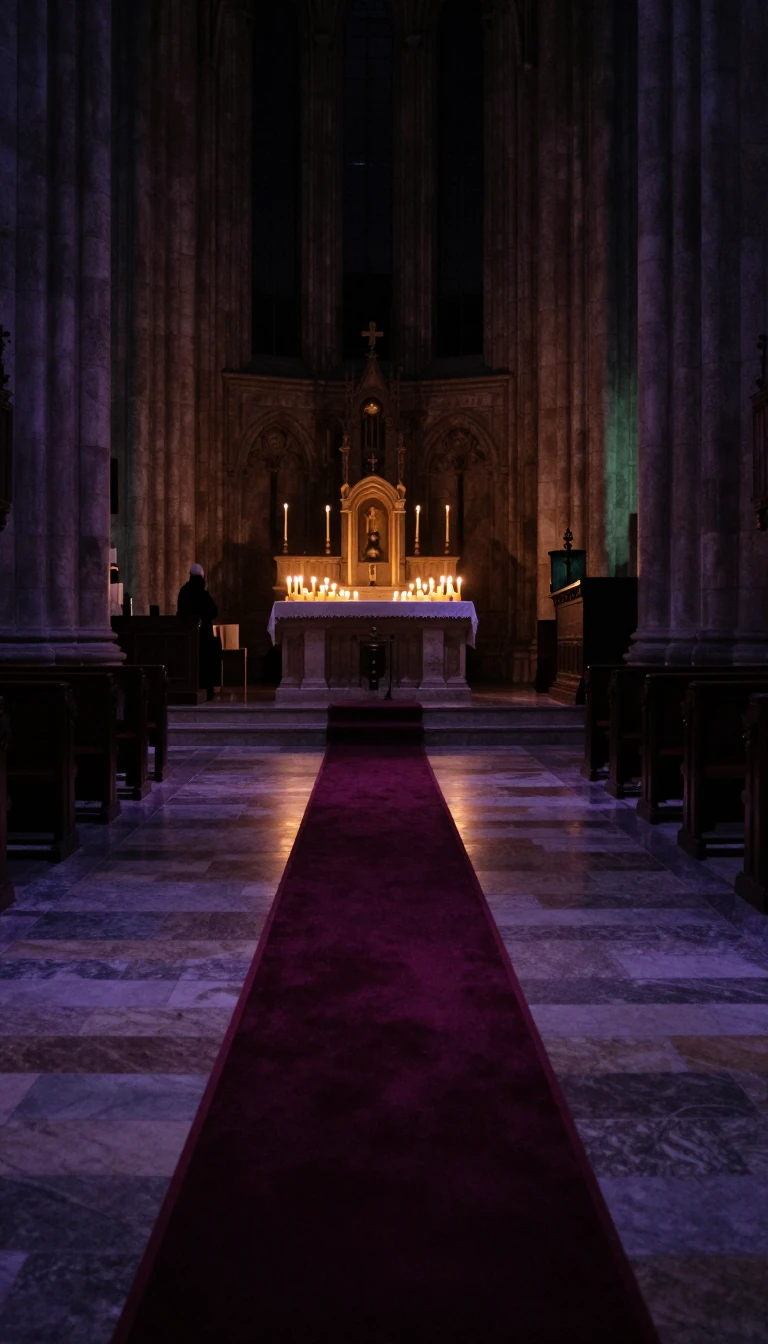
In short: How does a global institution integrate a distinct cultural identity without erasing it? The Catholic Church created a unique legal structure called a personal ordinariate. It allows former Anglicans to enter full communion while keeping their specific liturgical and spiritual heritage intact, functioning like a diocese that exists across borders.
Established in 2009 via the apostolic constitution 'Anglicanorum coetibus', personal ordinariates are juridically equivalent to dioceses. However, unlike standard dioceses defined by geography, these are 'personal' structures. These structures permit Methodist and Anglican bodies to enter the Catholic Church while maintaining their 'spiritual patrimony.' Such a move addressed appeals from entities like the Traditional Anglican Communion, which desired corporate unity with Rome because of anxieties regarding female ordination, moral doctrines, and changes to liturgy.
The mechanism is a delicate balance of identity. Members are Catholic theologically and ecclesiologically, but they remain 'Anglican' culturally. They use a Divine Worship missal adapted from the 'Book of Divine Worship' used by the United States' Pastoral Provision since the early 1980s. While married former Anglican clergy can be ordained as priests, historical and ecumenical reasons mean they cannot be ordained as bishops. The head of an ordinariate, the 'ordinary,' can be either a priest or a bishop, usually chosen from former Anglican clergy.
Membership is not strictly limited to former Anglicans. It includes three categories: those originally belonging to the Anglican Communion, those who receive their sacraments of initiation within the ordinariate, and family members of the latter group. Notably, the definition of 'Anglican' has been extended to include those from linked Protestant churches, such as the Lutheran or Methodist churches in Great Britain. While other Catholics can attend services, they cannot join the ordinariate for 'purely subjective motives,' ensuring the structure remains a dedicated home for this specific heritage.
Three specific ordinariates were established between 2011 and 2012: Our Lady of Walsingham (England, Wales, Scotland), the Chair of Saint Peter (USA, Canada), and Our Lady of the Southern Cross (Australia, Japan). These structures serve as a bridge to Christian unity, allowing for a 'full, corporate and sacramental union' that honors the past while embracing a unified future.
Opens the Intellect+ feed with this card first. Swipe up for the next one.
Sources
- Summary by Intellect · source: Personal ordinariate
To cite this card, link to https://intellectplus.co.uk/app/science-personal-ordinariate.
How we source, check and correct cards: Editorial standards.
General information, not professional advice. Spotted an error? Flag the card or see corrections and complaints.
Intellect Plus is a visual educational discovery platform for exploring fascinating facts and ideas. Brain Food, Not Brain Rot. What is Intellect Plus?
Related
More in Physics · More in Science · Latest · A–Z · All topics
