How your cells detect oxygen levels to keep you alive during times of stress
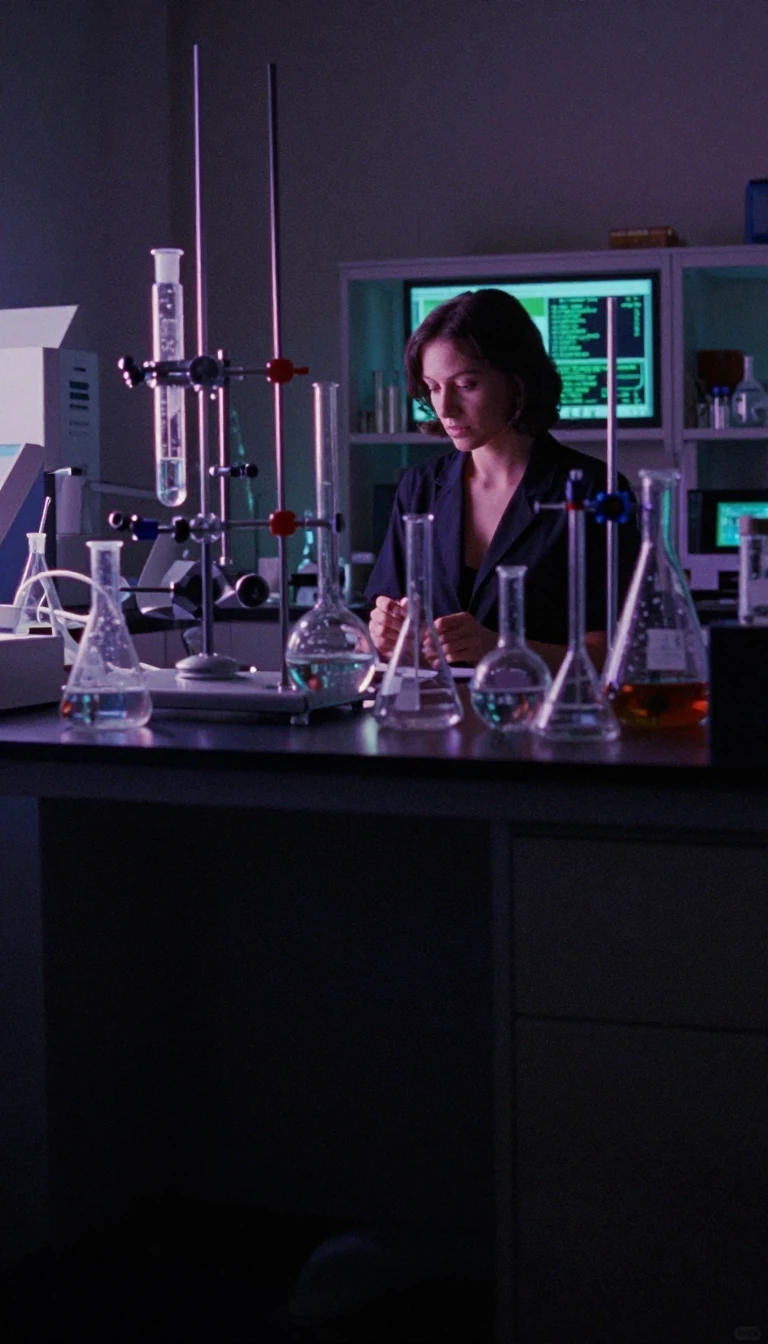
In short: Every cell in your body needs oxygen to convert food into energy, but how they sense fluctuating levels has long been a mystery. Sir Peter J. Ratcliffe, alongside his colleagues, uncovered the molecular machinery that allows cells to adapt, a discovery that earned him the 2019 Nobel Prize.
For centuries, the fundamental importance of oxygen to animal life was understood, yet the internal mechanisms governing cellular adaptation to varying oxygen availability remained elusive. During the 1990s, Sir Peter J. Ratcliffe, working alongside William G. Kaelin, Jr. and Gregg L. Semenza, identified the specific molecular chain of events that cells employ to monitor their environment. This breakthrough revealed how the body maintains homeostasis even when oxygen levels drop, a state known as hypoxia.
The process centers on a protein known as hypoxia-inducible factor, or HIF. In environments with sufficient oxygen, a protein called von Hippel-Lindau, or VHL, binds to HIF. This interaction marks HIF for degradation, effectively keeping its levels low. However, when oxygen becomes scarce, this chemical modification of VHL is inhibited. Consequently, VHL cannot attach to HIF, allowing the factor to persist within the cell. This accumulation of HIF triggers genes that help cells survive and proliferate despite the lack of oxygen.
This discovery has profound implications for medicine. Many diseases, including cancer, exploit this exact pathway to sustain tumor growth by creating new blood vessels. By understanding how cells sense oxygen, researchers have begun developing drugs that interfere with the VHL-HIF binding process. Such treatments offer new hope for managing conditions like anemia and kidney failure, where the body's natural oxygen-sensing response is either insufficient or inappropriately activated.
Ratcliffe, a British physician-scientist trained in renal medicine, began his work by investigating erythropoietin, a hormone produced by the kidneys that stimulates red blood cell production in response to low oxygen. His research demonstrated that the ability to sense hypoxia is not limited to the kidneys but is a widespread capability found in organs like the brain, spleen, and testes. This fundamental insight into cellular signaling has fundamentally changed our understanding of how life persists under physiological stress.
Opens the Intellect+ feed with this card first. Swipe up for the next one.
Sources
- Summary by Intellect · source: Peter J. Ratcliffe | Biography, Facts, & Nobel Prize | Britannica
- Also: Nobel Prize in Physiology or Medicine 2019
- Also: Peter J. Ratcliffe
To cite this card, link to https://intellectplus.co.uk/app/science-peter-j-ratcliffe.
How we source, check and correct cards: Editorial standards.
General information, not professional advice. Spotted an error? Flag the card or see corrections and complaints.
Intellect Plus is a visual educational discovery platform for exploring fascinating facts and ideas. Brain Food, Not Brain Rot. What is Intellect Plus?
Related
More in Physics · More in Science · Latest · A–Z · All topics
