Plants are not just passive greenery; they are complex, chemically active, and highly responsive.
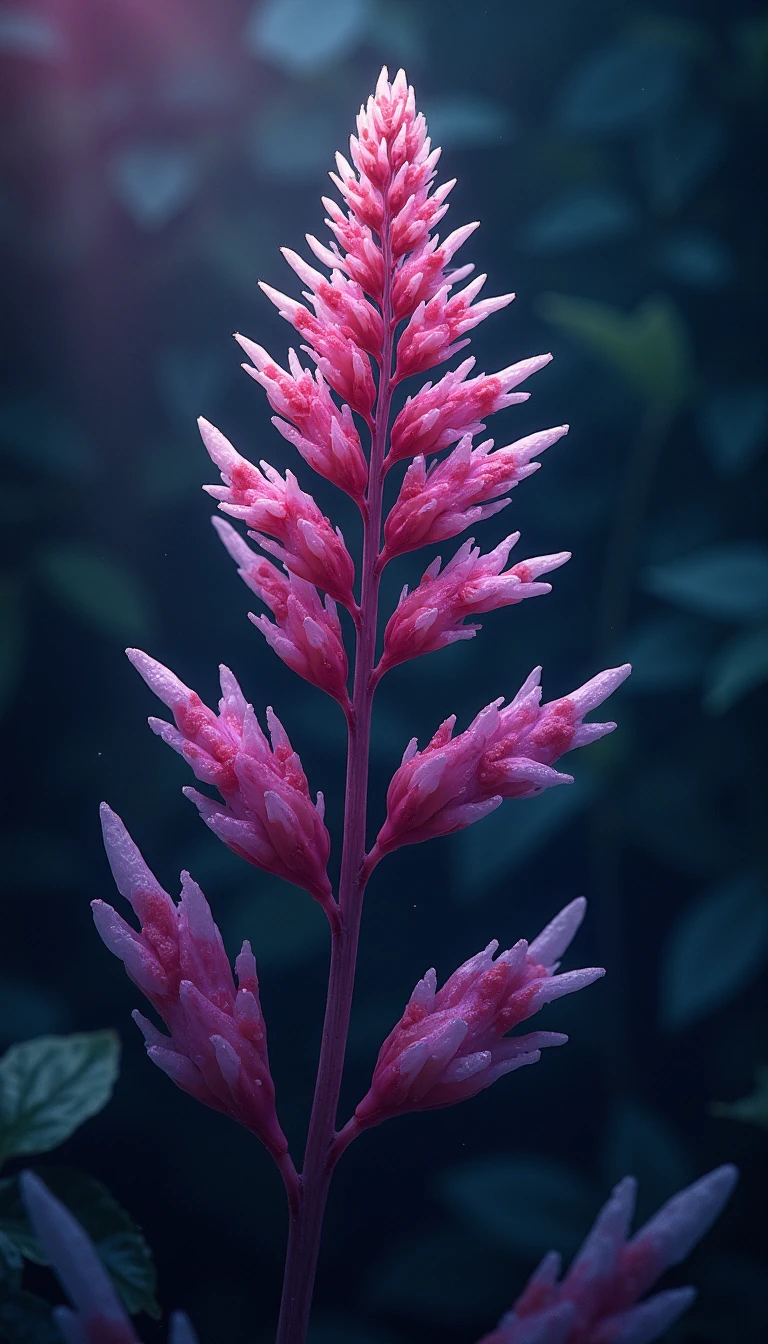
In short: Plants lack brains, nerves, and pain receptors, yet they are masters of environmental adaptation. They communicate via internal chemical signaling, manipulate light to fuel growth, and wage sophisticated chemical warfare against pathogens. Understanding these hidden physiological mechanisms reveals a life form shaped by survival, not by the experience of suffering.
Plant physiology is the study of the internal chemical and physical processes that sustain plant life. Unlike animals, plants are sessile, meaning they must defend themselves against herbivores and pathogens through chemical means. They produce a vast array of compounds, including toxins and foul-smelling chemicals, to deter threats. Beyond defense, plants synthesize pigments like chlorophyll to capture light for photosynthesis, and accessory pigments like carotenoids and anthocyanins to maximize light absorption and protect against environmental stress.
Regulation in plants is achieved through phytohormones—chemical signals that influence growth, fruit ripening, and leaf abscission. While animals rely on specialized organs for hormone production, plants distribute this capacity throughout their tissues. They also possess specialized photoreceptors, such as phytochrome and cryptochrome, which allow them to sense seasonal changes in day length, a phenomenon known as photoperiodism. This sensitivity enables plants to time their flowering precisely, a mechanism frequently exploited in commercial horticulture to induce out-of-season blooms.
The field has evolved from early, rudimentary experiments to a rigorous discipline. In 1627, Francis Bacon incorrectly concluded that soil served only to keep plants upright, while in 1648, Jan Baptist van Helmont performed a quantitative study suggesting plants derive their mass from water. By the 1800s, researchers established that plants absorb minerals as inorganic ions, proving that soil is not strictly necessary for growth—a discovery that birthed modern hydroponics. Today, the field integrates molecular biology and biophysics to understand everything from sugar signaling to the design of plant-informed nanocarriers.
Despite their complexity, plants do not feel pain. Their evolution is driven by the imperatives of life and death rather than the avoidance of suffering. By studying these processes, from the rapid thigmonasty of a Venus flytrap to the complex metabolic regulation of invertases, scientists continue to uncover how plants navigate their environment. This research is vital not only for basic science but for practical applications in sustainable farming, medicine, and the development of new agricultural technologies.
Opens the Intellect+ feed with this card first. Swipe up for the next one.
Sources
- Summary by Intellect · source: Plant physiology
- Also: www.nature.com — Plant physiology - Latest research and news | Nature
To cite this card, link to https://intellectplus.co.uk/app/science-plant-physiology.
How we source, check and correct cards: Editorial standards.
General information, not professional advice. Spotted an error? Flag the card or see corrections and complaints.
Intellect Plus is a visual educational discovery platform for exploring fascinating facts and ideas. Brain Food, Not Brain Rot. What is Intellect Plus?
Related
More in Biological processes and physiology · More in Science · Latest · A–Z · All topics
