When you switch off a fluorescent light, you are witnessing plasma turning into gas.
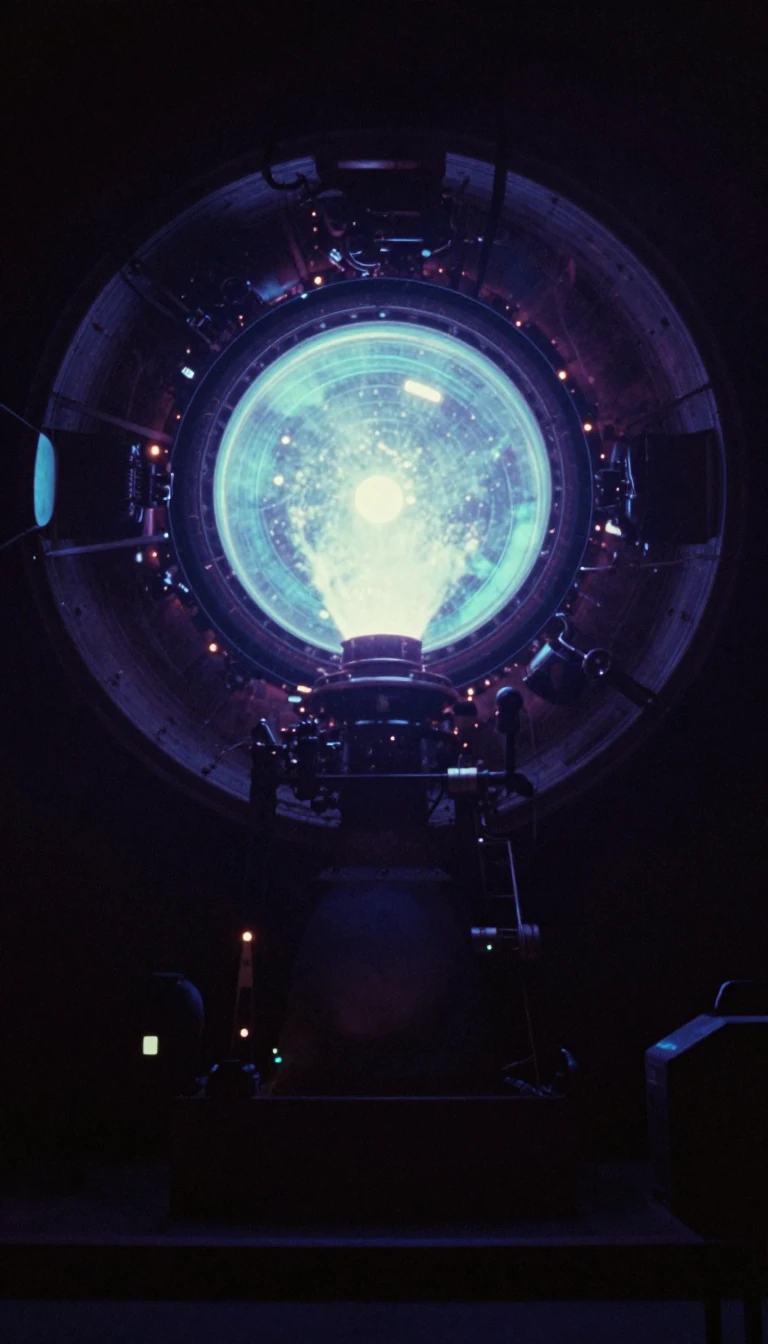
In short: Plasma recombination is the process where positive ions capture free electrons to revert into neutral atoms. This exothermic reaction releases energy as heat, effectively reversing the ionization that created the plasma. It is a fundamental physical transition that occurs in everything from household lighting to experimental nuclear fusion reactors.
At its core, plasma recombination is the inverse of ionization. In a plasma state, atoms are stripped of electrons, creating a soup of positive ions and free, energetic electrons. During recombination, these ions recapture electrons. While this often results in the formation of neutral gas atoms, the process is more complex for plasmas containing elements heavier than hydrogen. In those cases, ions may carry multiple charges, meaning a single electron capture reduces the ion's charge without necessarily reaching a neutral state.
This phenomenon is highly sensitive to the surrounding environment. The rate at which recombination occurs depends on factors like plasma temperature, pressure, and the density of the various species present. While it typically happens throughout the entire volume of the plasma, specific conditions can confine the reaction to localized regions. Because the process is exothermic, the energy previously stored within the plasma is released, usually manifesting as heat.
The practical applications of understanding these reactions are significant, particularly in energy research. In tokamak reactors, which aim to harness nuclear fusion, hydrogen recombination modes are essential for managing the heat produced in the plasma core. Scientists focus on two primary modes of loss in these regions: electron ion recombination and molecular activated recombination. Controlling these mechanisms is vital for the development of effective divertor regions, which help extract energy from the reactor.
For most people, the most accessible example of this physics is the humble fluorescent lamp. When the power is cut, the electric field that maintains the plasma vanishes. Within a fraction of a second, the low-density plasma inside the tube undergoes rapid recombination, causing the light to extinguish as the ionized gas returns to its neutral state.
Opens the Intellect+ feed with this card first. Swipe up for the next one.
Sources
- Summary by Intellect · source: Plasma recombination
To cite this card, link to https://intellectplus.co.uk/app/science-plasma-recombination.
How we source, check and correct cards: Editorial standards.
General information, not professional advice. Spotted an error? Flag the card or see corrections and complaints.
Intellect Plus is a visual educational discovery platform for exploring fascinating facts and ideas. Brain Food, Not Brain Rot. What is Intellect Plus?
Related
More in Condensed matter physics · More in Science · Latest · A–Z · All topics
