The secret ingredient in your kitchen cabinet is a byproduct of ancient winemaking
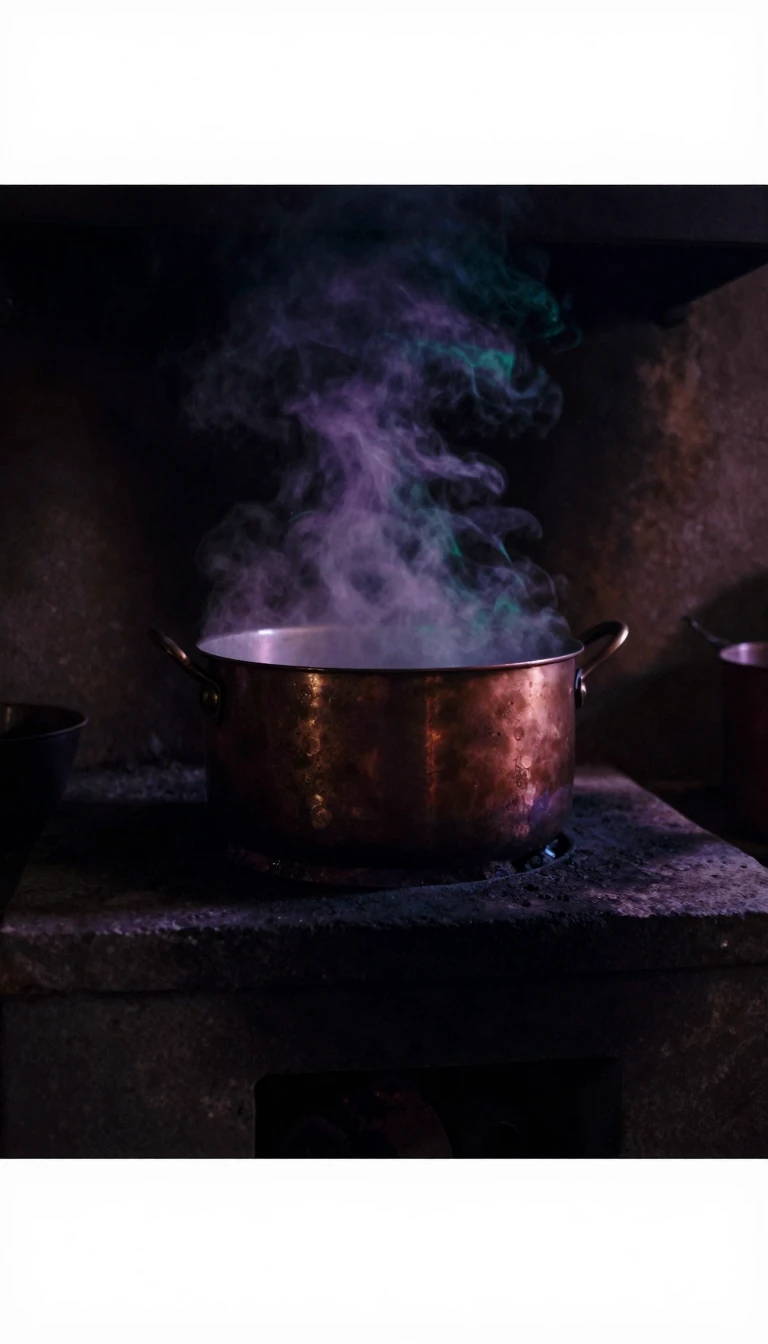
In short: Known as cream of tartar, this acidic salt is far more than a baking staple. From stabilizing delicate meringues to acting as a powerful metal cleaner and even a medical laxative, this versatile byproduct of grape fermentation has been utilized for thousands of years, dating back to ancient Iran.
Potassium bitartrate, or potassium hydrogen tartrate, is a natural byproduct of winemaking. As grape juice ferments, tartaric acid dissociates into ions that crystallize on the walls of barrels and the undersides of corks. These deposits, historically called beeswing or wine diamonds, are purified into the odorless white powder found in modern pantries. While Swedish chemist Carl Wilhelm Scheele first characterized the substance between 1742 and 1786, evidence suggests humans have been interacting with it for 7,000 years.
In the kitchen, its utility stems from its acidic properties. It acts as a stabilizer for egg whites and whipped cream by lowering pH, which optimizes protein interactions and increases volume. In baking, it reacts with sodium bicarbonate to release carbon dioxide, serving as a fast-acting leavening agent. It also prevents sugar crystallization in syrups, ensuring smooth textures in confections. Beyond food, it serves as a pH buffer standard for the National Institute of Standards and Technology, a metal cleaner, and a mordant in traditional textile dyeing.
The substance also has a long history of medical application. It functions as a laxative by inducing mechanical distension in the intestines, and it is an active ingredient in the FDA-approved non-hormonal contraceptive Phexxi. However, its use is not without risk; internal consumption can lead to dangerous levels of potassium, known as hyperkalemia. Furthermore, recent research suggests that potassium bitartrate is likely the source of toxicity in grapes and raisins that affects dogs and cats, a connection first proposed in 2021.
Its industrial applications are equally diverse. It is used to retard the setting time of plaster of Paris and can be processed to create potassium carbonate, or potash. Whether it is being used to clean rust from hand tools or to ensure a cake rises perfectly, this byproduct remains a fundamental chemical tool, bridging the gap between ancient winemaking traditions and modern scientific utility.
Opens the Intellect+ feed with this card first. Swipe up for the next one.
Sources
- Summary by Intellect · source: Potassium bitartrate
To cite this card, link to https://intellectplus.co.uk/app/science-potassium-bitartrate.
How we source, check and correct cards: Editorial standards.
General information, not professional advice. Spotted an error? Flag the card or see corrections and complaints.
Intellect Plus is a visual educational discovery platform for exploring fascinating facts and ideas. Brain Food, Not Brain Rot. What is Intellect Plus?
Related
More in Food science · More in Food & Drink · Latest · A–Z · All topics
