The accidental evolution of a French icon: from farmstead secret to global staple
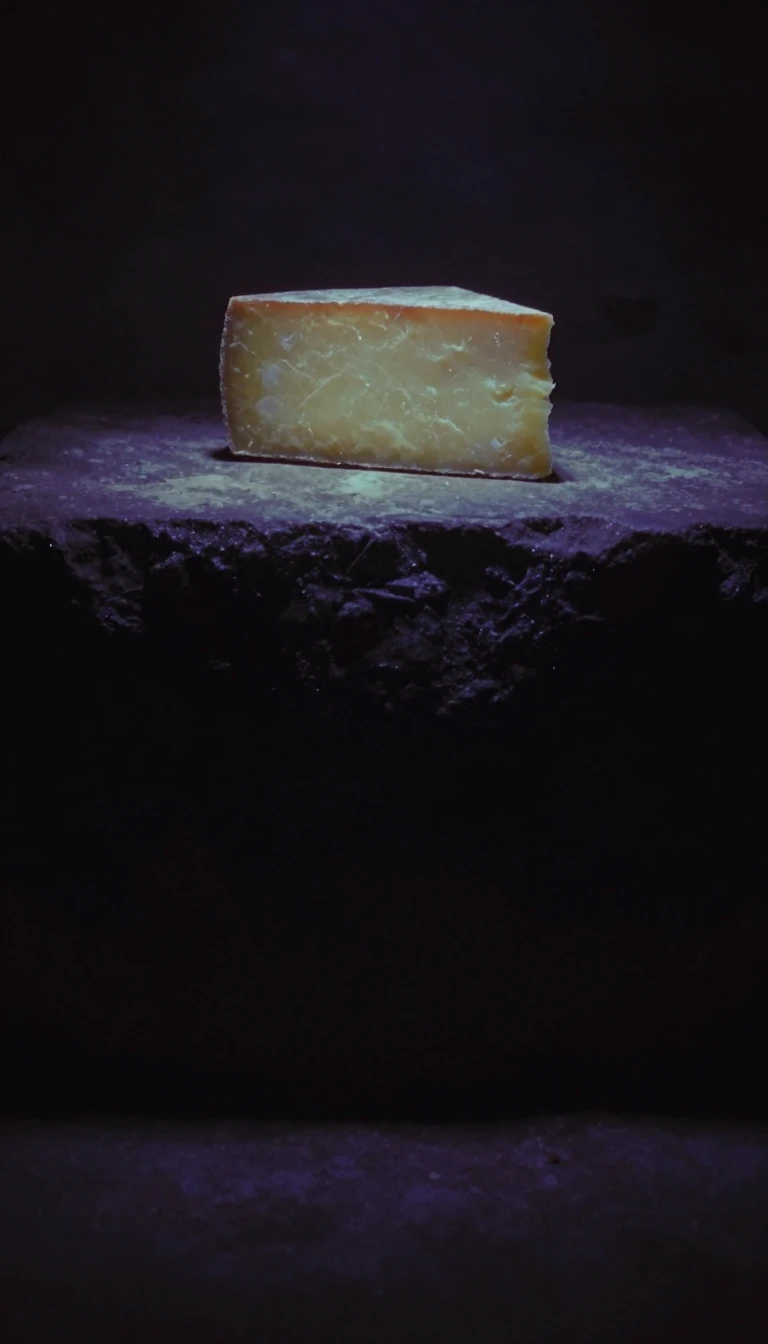
In short: Camembert is a marvel of industrial logistics as much as culinary craft. While legend credits a 1791 farmstead recipe, the cheese’s global dominance only arrived with the invention of a humble wooden box in 1890. This simple innovation allowed the delicate, bloomy-rind cheese to travel the world intact.
The creation of Camembert is shrouded in a blend of folklore and industrial reality. While Marie Harel is traditionally credited with refining a local Normandy recipe in 1791 under the guidance of Abbot Charles-Jean Bonvoust, the modern version of the cheese owes much to the late 19th-century industrialization of cheesemaking. A pivotal moment occurred in 1890 when engineer M. Ridel designed the iconic poplar wooden box. This packaging was not merely aesthetic; it provided the structural integrity necessary to transport the soft, ripening cheese over long distances, facilitating its export to markets as far away as America.
The transformation of the cheese from a crumbly, bland curd into a creamy delicacy relies on the precise application of Penicillium camemberti. After the curd is salted and molded, this mold is sprayed onto the surface, initiating a three-week ripening process known as affinage. This stage is critical; it creates the signature bloomy rind and the soft, interior texture. However, the process is a delicate balance. If left to over-ripen, the same microorganisms responsible for the cheese's development produce excessive ammonia, rendering the product unpalatable. The characteristic odor is a complex chemical profile, featuring compounds like diacetyl, methional, and various volatile sulfur elements.
Cultural and regulatory factors have further shaped the identity of Camembert. During World War I, the cheese was famously issued to French troops, cementing its status as a national symbol. Today, the designation 'Camembert de Normandie' is strictly protected, requiring the use of raw, unpasteurized milk from Normandes cows. This contrasts with many international versions, which often utilize pasteurized milk to meet safety and import regulations. While often compared to Brie, Camembert is distinct in its smaller, 10.2 cm diameter, which ensures the entire cheese is encased in a rind, contributing to a more pungent aroma and a softer, creamier texture when heated.
Opens the Intellect+ feed with this card first. Swipe up for the next one.
Sources
- Summary by Intellect · source: Camembert
To cite this card, link to https://intellectplus.co.uk/app/technology-camembert.
How we source, check and correct cards: Editorial standards.
General information, not professional advice. Spotted an error? Flag the card or see corrections and complaints.
Intellect Plus is a visual educational discovery platform for exploring fascinating facts and ideas. Brain Food, Not Brain Rot. What is Intellect Plus?
Related
More in Food science · More in Food & Drink · Latest · A–Z · All topics
