Is ruby chocolate a revolutionary fourth variety or just clever marketing in pink?
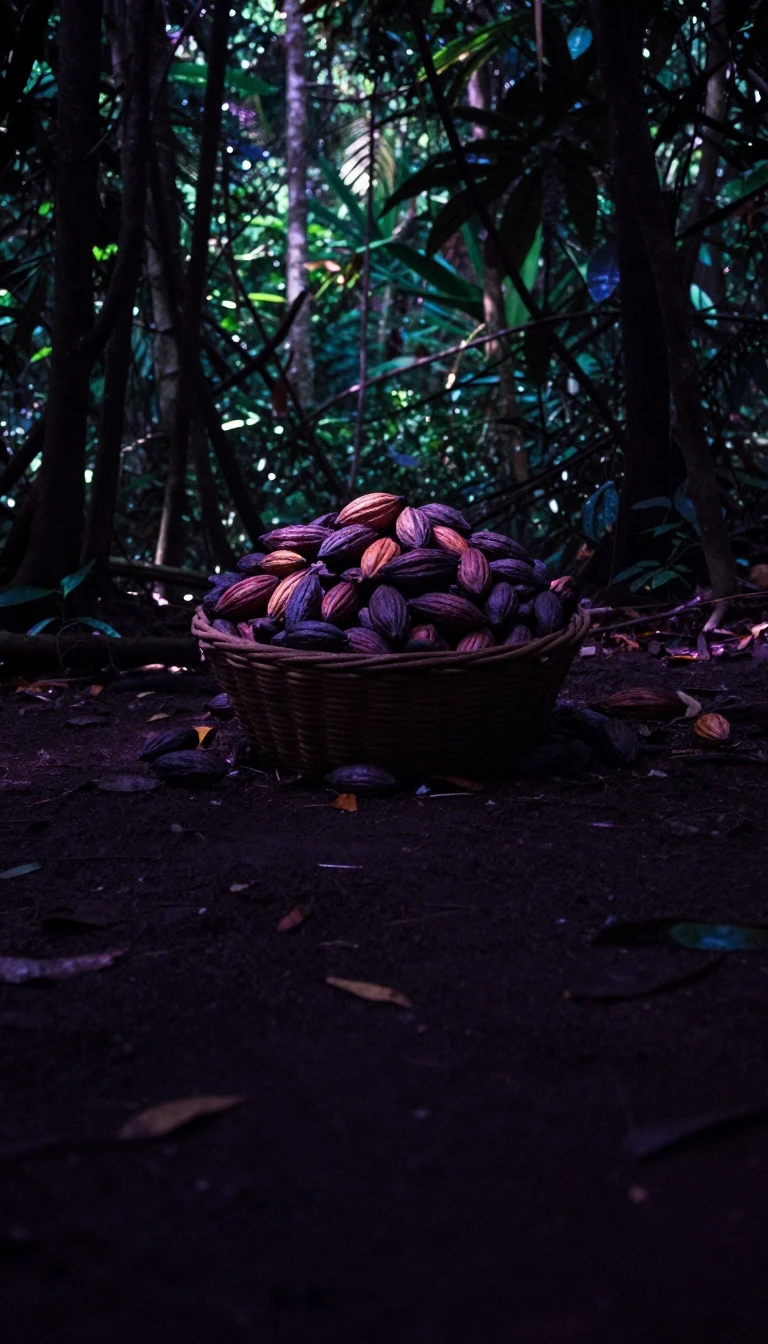
In short: Ruby chocolate arrived in 2017, boasting a natural pink hue and a berry-like tang. While its manufacturer claims it is the first new chocolate category since white chocolate, industry skeptics argue it is merely a clever marketing play, noting that purple and pink cocoa beans have existed for years.
Introduced by the Belgian-Swiss firm Barry Callebaut on 5 September 2017, ruby chocolate represents a departure from traditional dark, milk, and white varieties. Development began in 2004, leading to a product defined by its distinct acidity and berry-like flavor profile. Despite the manufacturer's bold claim that it constitutes a fourth natural type of chocolate, the industry remains divided. Experts like Angus Kennedy have pointed out that pink and purple hues are not inherently unusual for cocoa beans, suggesting that some makers had been producing similar products long before the official launch.
The secret behind the color and taste likely lies in the processing of unfermented cocoa beans. Barry Callebaut’s patent filings suggest a method involving the treatment of these beans with acids, such as citric acid, followed by a defatting process. This technique aims to preserve the natural red-pink pigments found in specific botanical varieties, such as Brazil Lavados. In 2019, the U.S. Food and Drug Administration issued a temporary marketing permit for the product, acknowledging that while it meets most standards for cacao, it deviates from established norms regarding its composition, color, and taste.
The rise of ruby chocolate also mirrors broader cultural trends, specifically the mid-2010s obsession with 'millennial pink' on social media. This aesthetic appeal helped drive public interest, leading to rapid adoption by major brands. Following an initial six-month exclusivity deal with Nestlé for Kit Kat bars in Japan and South Korea in early 2018, the product quickly spread to global markets. By 2020, ruby-based offerings ranged from hot chocolate at Costa Coffee to ice cream bars from Magnum, cementing its place as a high-profile, if controversial, addition to the confectionery world.
Whether ruby chocolate is truly a new category or a sophisticated rebranding of existing cocoa science remains a subject of debate. While the phenolic content places it between milk and white chocolate, the lack of consensus among experts suggests that its status as a 'fourth variety' may be as much about market positioning as it is about botanical innovation.
Opens the Intellect+ feed with this card first. Swipe up for the next one.
Sources
- Summary by Intellect · source: Ruby chocolate
To cite this card, link to https://intellectplus.co.uk/app/technology-ruby-chocolate.
How we source, check and correct cards: Editorial standards.
General information, not professional advice. Spotted an error? Flag the card or see corrections and complaints.
Intellect Plus is a visual educational discovery platform for exploring fascinating facts and ideas. Brain Food, Not Brain Rot. What is Intellect Plus?
Related
More in Food science · More in Food & Drink · Latest · A–Z · All topics
