Why the invisible push of air pressure is the primary engine of global wind
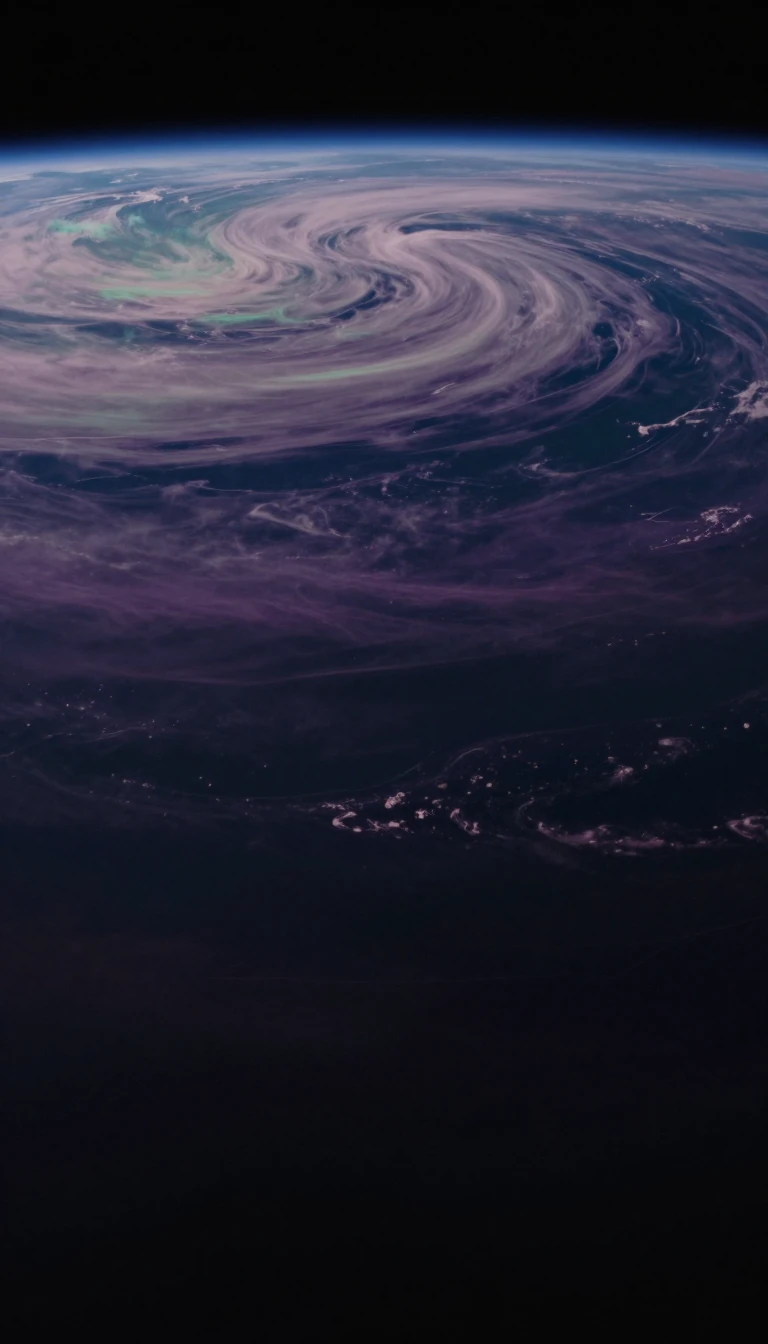
In short: Wind is not merely moving air; it is the physical manifestation of a pressure imbalance. By pushing air from zones of high pressure toward regions of lower pressure, the pressure-gradient force acts as a fundamental driver of weather, dictating everything from gentle local breezes to the intensity of hurricanes.
At its core, the pressure-gradient force is a vector quantity that describes how pressure changes across a specific distance. In the atmosphere, this force is the primary engine behind wind circulation. When a significant difference in pressure exists over a given area, the resulting force pushes air molecules toward the lower-pressure zone. The magnitude of this force is directly proportional to the steepness of the gradient; a sharper transition between high and low pressure results in a stronger force and, consequently, higher wind speeds.
While the pressure-gradient force is the primary driver, it rarely acts in isolation. In the free atmosphere, its influence is modified by the Coriolis force, which arises from the Earth's rotation, and by surface friction. Near the ground, friction causes the wind to deviate from the theoretical path it would follow in a frictionless environment, often resulting in an angle of less than 90 degrees between the wind direction and the pressure gradient. In the upper atmosphere, large-scale movements often approach geostrophic flow, where the pressure-gradient force is balanced by the Coriolis force.
The scale of these gradients varies dramatically depending on the context. In the troposphere, the vertical pressure gradient is substantial, typically around 9 Pa/m, as pressure increases rapidly with depth. Conversely, the horizontal pressure gradient—the component responsible for wind—is much smaller, often around 10 Pa/km at mid-latitudes. However, these values can spike significantly within meteorological fronts. Understanding these dynamics is essential for meteorology, as the interplay between the pressure-gradient force and other physical factors determines the structure of weather systems, from the rotation of air around low-pressure centers to the formation of jet streams.
Opens the Intellect+ feed with this card first. Swipe up for the next one.
Sources
- Summary by Intellect · source: Pressure-gradient force | atmospheric science | Britannica
- Also: Pressure gradient
To cite this card, link to https://intellectplus.co.uk/app/science-pressure-gradient.
How we source, check and correct cards: Editorial standards.
General information, not professional advice. Spotted an error? Flag the card or see corrections and complaints.
Intellect Plus is a visual educational discovery platform for exploring fascinating facts and ideas. Brain Food, Not Brain Rot. What is Intellect Plus?
Related
More in Thermodynamics · More in Science · Latest · A–Z · All topics
