How the Rankine cycle powers the modern world through the simple physics of steam
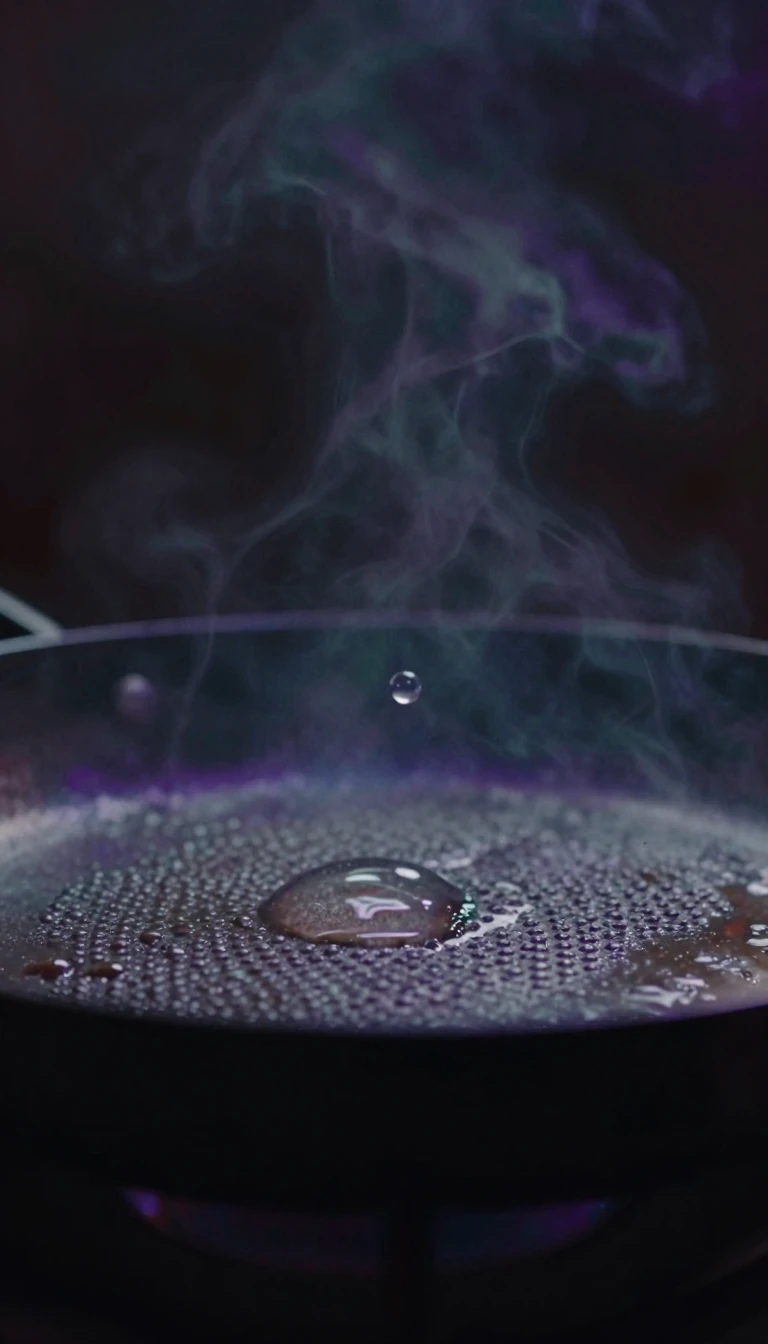
In short: The Rankine cycle is the invisible engine behind most global electricity production. By cycling water between liquid and gaseous states, it transforms thermal energy from coal, nuclear, or solar sources into mechanical work. It is an elegant, closed-loop process that has defined power generation for over a century.
At its core, the Rankine cycle is a thermodynamic process that extracts mechanical work from a fluid moving between a heat source and a heat sink. In a typical power plant, a boiler heats water into high-pressure steam, which then expands through a turbine to generate electricity. The steam is subsequently condensed back into liquid water and pumped back to the boiler, completing the cycle. While the ideal cycle assumes perfect, isentropic processes, real-world systems face irreversibilities like fluid friction and heat loss, which engineers must account for to maintain efficiency.
The efficiency of this cycle is fundamentally tied to the temperature difference between the heat source and the heat sink. Because water has a high heat of vaporization, the cycle's operating temperature range is often limited. To boost performance, modern plants may use supercritical or ultra-supercritical pressures—reaching up to 31 MPa and 600 °C—to achieve thermal efficiencies of around 42%. Engineers also employ variations like reheating, where steam is reheated between turbine stages to prevent moisture damage to blades, and regeneration, which preheats feedwater to increase the average heat input temperature.
While water remains the standard working fluid due to its abundance and low cost, the Rankine cycle is highly adaptable. Organic Rankine cycles use fluids like n-pentane or toluene to capture lower-temperature heat sources, such as solar ponds operating between 70 °C and 90 °C. Despite the name, these are not distinct thermodynamic cycles but rather applications of the same principles. Whether powering a massive coal plant or a specialized geothermal facility, the Rankine cycle remains the primary mechanism for converting heat into the electricity that sustains modern infrastructure.
Opens the Intellect+ feed with this card first. Swipe up for the next one.
Sources
- Summary by Intellect · source: Rankine cycle
To cite this card, link to https://intellectplus.co.uk/app/science-rankine-cycle.
How we source, check and correct cards: Editorial standards.
General information, not professional advice. Spotted an error? Flag the card or see corrections and complaints.
Intellect Plus is a visual educational discovery platform for exploring fascinating facts and ideas. Brain Food, Not Brain Rot. What is Intellect Plus?
Related
More in Thermodynamics · More in Science · Latest · A–Z · All topics
