Why ancient alchemists forged the name of a famous philosopher to gain authority
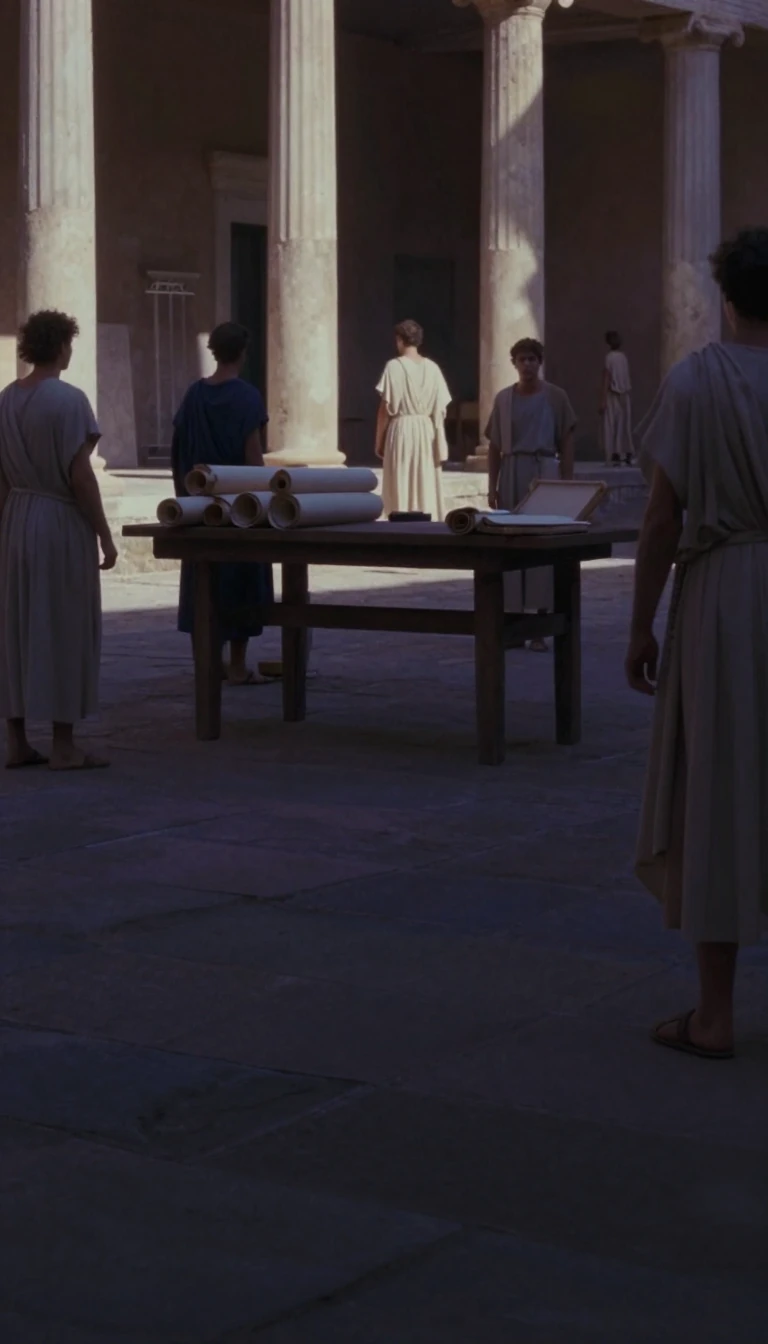
In short: Scholars identify Pseudo-Democritus as the anonymous mind behind foundational alchemical texts falsely attributed to the pre-Socratic thinker Democritus. These lost works, written around 54 to 68 AD, established the discipline's early framework. They centered on the art of dyeing, transforming base metals and stones through secret, nature-mastering chemical processes.
The identity of Pseudo-Democritus has long intrigued historians. While some early writings were likely penned by the Pythagorean physician Bolos of Mendes, the core alchemical texts are now attributed to an anonymous author active in the first century AD. These writings, known as the Four Books, were not merely technical manuals; they were foundational pillars for Western alchemy, defining its early trajectory and theoretical scope.
The original Four Books focused on practical transmutation: two volumes covered the coloring of metals to mimic gold and silver, one addressed the creation of artificial precious stones, and the final book detailed the production of purple fabric dyes. Although the original manuscripts are lost, their influence persists through epitomized extracts found in later treatises like Natural and Secret Questions. These fragments reveal a preoccupation with the manipulation of matter, a theme that resonated deeply with subsequent generations of Greek and Byzantine alchemists.
Central to these texts is a famous aphorism attributed to the Persian master Ostanes, which posits that nature finds joy in itself, overcomes itself, and commands itself. This concept of sympathy and antipathy between elements provided the philosophical bedrock for the discipline. Later practitioners, including Zosimos of Panopolis and Synesius, held these writings in such high regard that they frequently framed their own experimental theories as mere commentaries or interpretations of the original Pseudo-Democritean teachings.
The authority of these texts was so profound that they effectively shaped the identity of alchemy for centuries. By linking their work to the prestige of Democritus and the mystical tradition of Persian figures like Ostanes, these anonymous authors secured a lasting legacy. Their work remains a vital link between Hellenistic scientific concepts and the later, more complex developments of the alchemical tradition.
Opens the Intellect+ feed with this card first. Swipe up for the next one.
Sources
- Summary by Intellect · source: Pseudo-Democritus
To cite this card, link to https://intellectplus.co.uk/app/science-pseudo-democritus.
How we source, check and correct cards: Editorial standards.
General information, not professional advice. Spotted an error? Flag the card or see corrections and complaints.
Intellect Plus is a visual educational discovery platform for exploring fascinating facts and ideas. Brain Food, Not Brain Rot. What is Intellect Plus?
Related
More in Pre-modern figures · More in Science · Latest · A–Z · All topics
