Meet Tapputi, the Mesopotamian perfumer who pioneered the art of chemical distillation
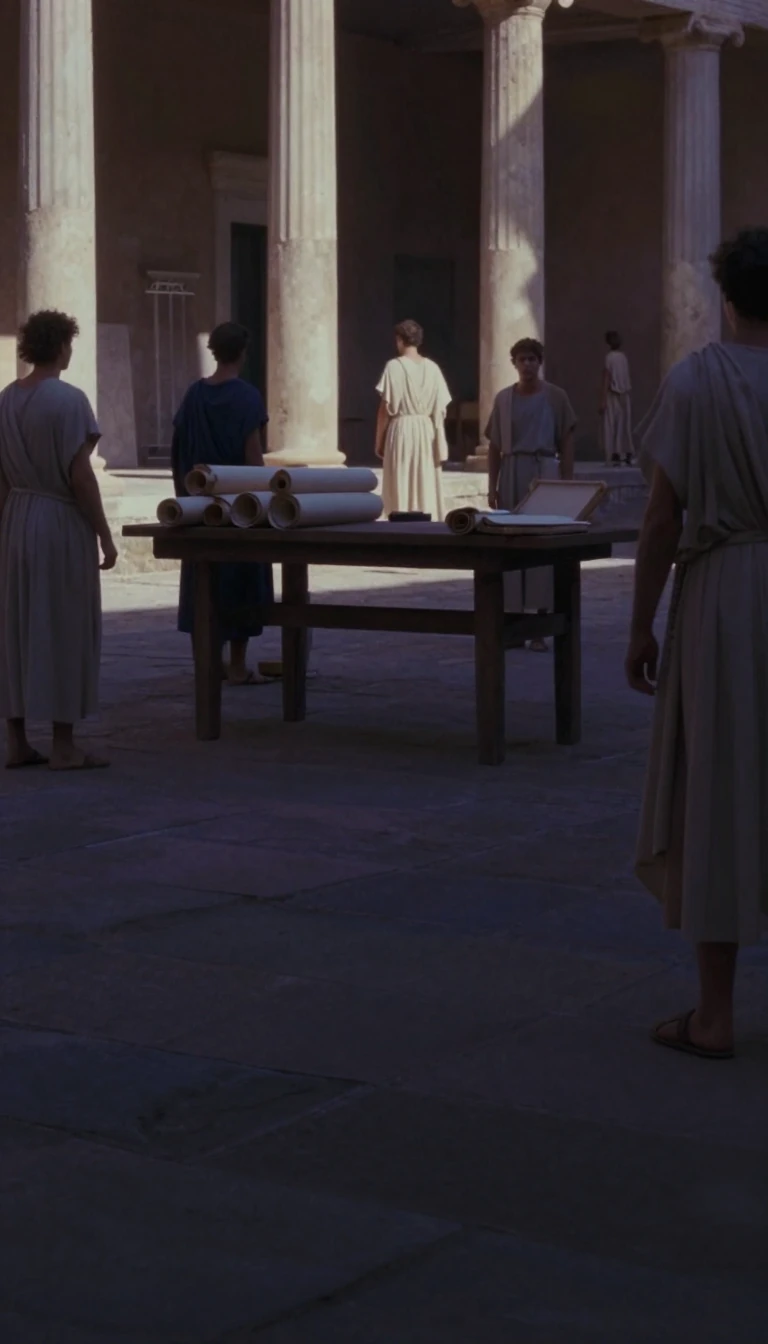
In short: Long before modern laboratories, a woman named Tapputi was mastering the complex science of chemistry in ancient Assur. As a royal perfumer around 1200 BC, she refined the delicate process of distillation, blending botanical ingredients into sophisticated scents that would define the standards of her era for generations to come.
Tapputi, whose full name Tappūtī-Bēlet-Ekallim translates to Assistant of the Lady of the Palace, stands as one of the earliest recorded chemists in human history. Operating during the reign of Tukulti-Ninurta I, she held a position of significant authority as an overseer at the Royal Palace in Assur. Her work was not merely artisanal but deeply technical, involving the precise manipulation of raw materials to create complex aromatic compounds.
The methodology employed by Tapputi is preserved on a cuneiform tablet dating to approximately 1200 BC. Her process involved a sophisticated combination of flowers, oil, and calamus, supplemented by cyperus, myrrh, and balsam. By introducing water and various solvents, she subjected these mixtures to repeated cycles of distillation and filtration. This rigorous approach demonstrates an early mastery of chemical separation techniques that remain foundational to the field today.
Beyond her individual expertise, Tapputi led a professional cohort of female perfumers, indicating a structured and collaborative environment for scientific inquiry within the palace. She worked closely with a colleague identified as (—)-ninu, whose name remains partially obscured by the ravages of time. While her historical legacy is rooted in these ancient tablets, her influence persists in modern culture, where she is recognized as a pioneering figure in the history of science.
The significance of Tapputi’s work lies in the transition from simple mixing to controlled chemical processing. By documenting her methods, she provided a blueprint for the extraction and purification of substances. Her role as both a practitioner and a supervisor highlights the integration of early chemical science into the administrative and social fabric of the ancient world, cementing her status as a foundational figure in the evolution of laboratory practice.
Opens the Intellect+ feed with this card first. Swipe up for the next one.
Sources
- Summary by Intellect · source: Tapputi
To cite this card, link to https://intellectplus.co.uk/app/science-tapputi.
How we source, check and correct cards: Editorial standards.
General information, not professional advice. Spotted an error? Flag the card or see corrections and complaints.
Intellect Plus is a visual educational discovery platform for exploring fascinating facts and ideas. Brain Food, Not Brain Rot. What is Intellect Plus?
Related
More in Pre-modern figures · More in Science · Latest · A–Z · All topics
