Brain networks show distinct patterns of local hierarchy and distributed connections
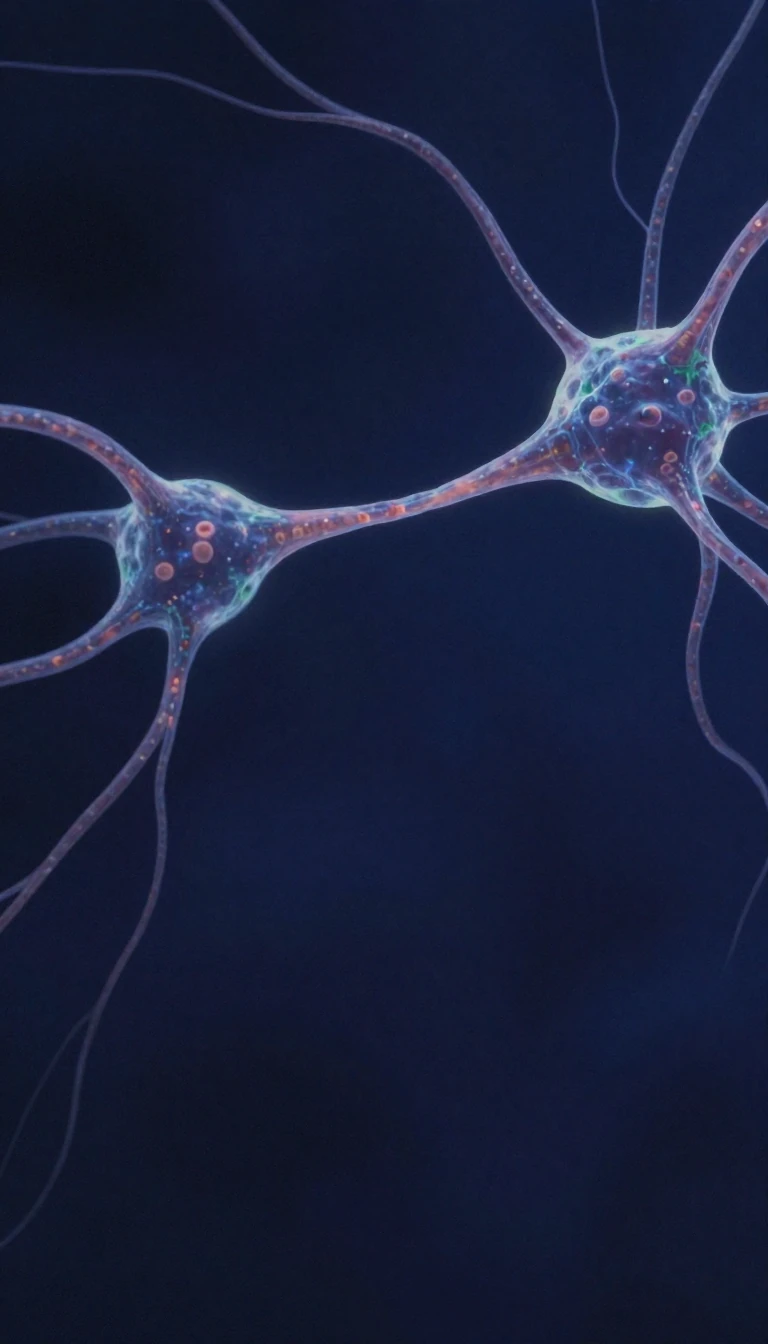
In short: Researchers analyzing resting-state MRI data from 1,000 subjects found that the human cerebral cortex is organized into two distinct types of networks. While sensory and motor regions follow a clear, topographic hierarchy, association areas form large-scale, distributed circuits that lack such clear hierarchical structures.
By using a clustering approach on surface-aligned brain data, the study identified how functionally coupled regions are organized. The researchers observed that connectivity in sensory-motor areas follows adjacent, topographic representations, whereas association cortex connectivity shows abrupt transitions between network boundaries.
The study's findings suggest that the brain uses both local hierarchical pathways and parallel, interdigitated circuits to process information.
Why it matters: The brain's architecture combines structured, hierarchical processing with complex, distributed networks.
Opens the Intellect+ feed with this card first. Swipe up for the next one.
Sources
- Summary by Intellect · source: Research: Yeo et al. (2011). The organization of the human cerebral cortex estimated by intrinsic functional connectivity. Journal of neurophysiology.
To cite this card, link to https://intellectplus.co.uk/app/science-research-brain-networks-show-distinct-patterns-of-local-hierarchy-and.
How we source, check and correct cards: Editorial standards.
General information, not professional advice. Spotted an error? Flag the card or see corrections and complaints.
Intellect Plus is a visual educational discovery platform for exploring fascinating facts and ideas. Brain Food, Not Brain Rot. What is Intellect Plus?
Related
More in Science · Latest · A–Z · All topics
