Brain activity patterns for faces and objects are widely distributed and overlapping
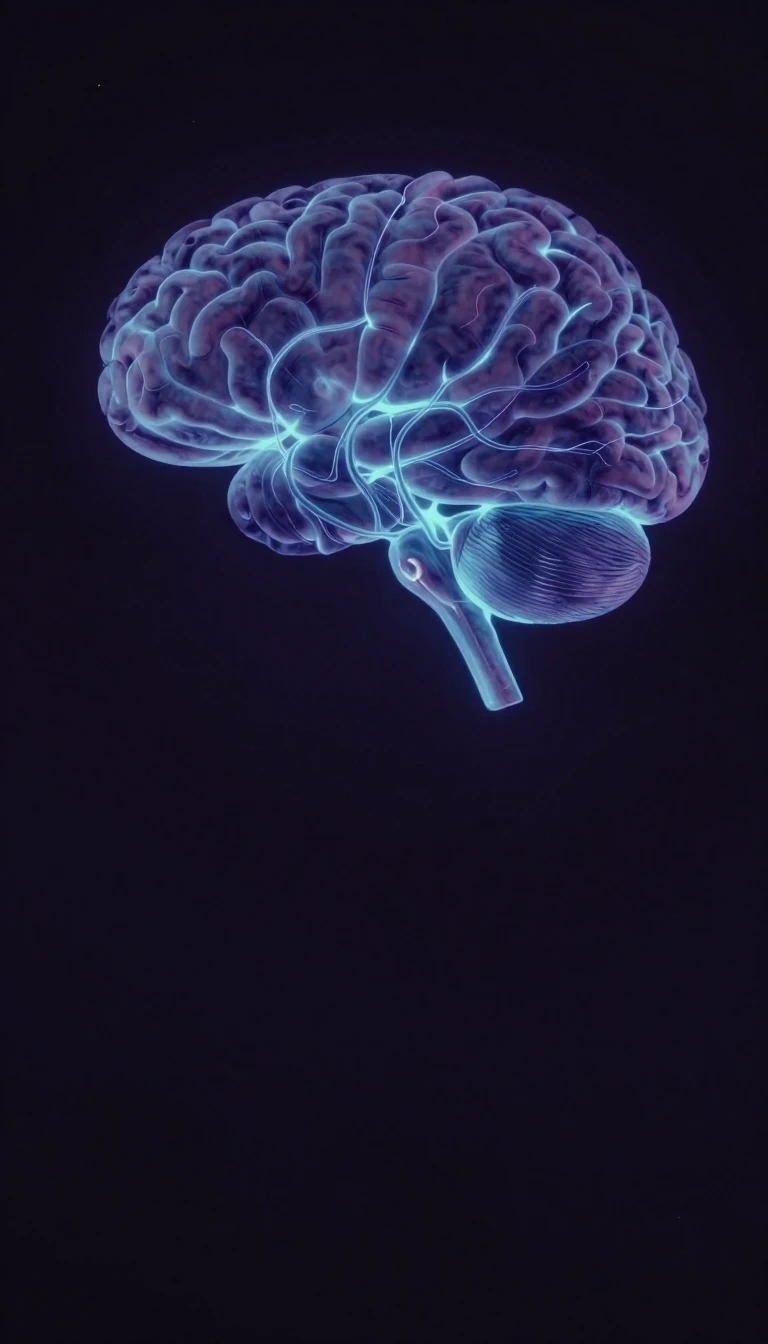
In short: Researchers using functional magnetic resonance imaging found that the human brain does not store faces and objects in isolated, dedicated silos. By observing neural response patterns in the ventral temporal cortex while subjects viewed faces, animals, and various objects, the study revealed that information about different categories is spread across overlapping neural networks.
The study investigated how the ventral temporal cortex responds to faces, cats, man-based objects, and nonsense pictures. It found that even when the most active regions for a specific category were removed from the analysis, the remaining neural patterns could still identify the category being viewed.
This suggests that visual recognition relies on a distributed network rather than just a few specific spots. However, the findings are based on fMRI patterns in a specific group of subjects viewing specific categories.
Why it matters: Visual recognition is a network-wide process rather than a collection of isolated brain modules.
Opens the Intellect+ feed with this card first. Swipe up for the next one.
Sources
- Source: Research: Haxby et al. (2001). Distributed and Overlapping Representations of Faces and Objects in Ventral Temporal Cortex. Science. · other-oa
To cite this card, link to https://intellectplus.co.uk/app/science-research-brain-activity-patterns-for-faces-and-objects-are-widely-dis.
How we source, check and correct cards: Editorial standards.
General information, not professional advice. Spotted an error? Flag the card or see corrections and complaints.
Intellect Plus is a visual educational discovery platform for exploring fascinating facts and ideas. Brain Food, Not Brain Rot. What is Intellect Plus?
Related
More in Science · Latest · A–Z · All topics
