Deep learning software improves the resolution and detail of cellular imaging
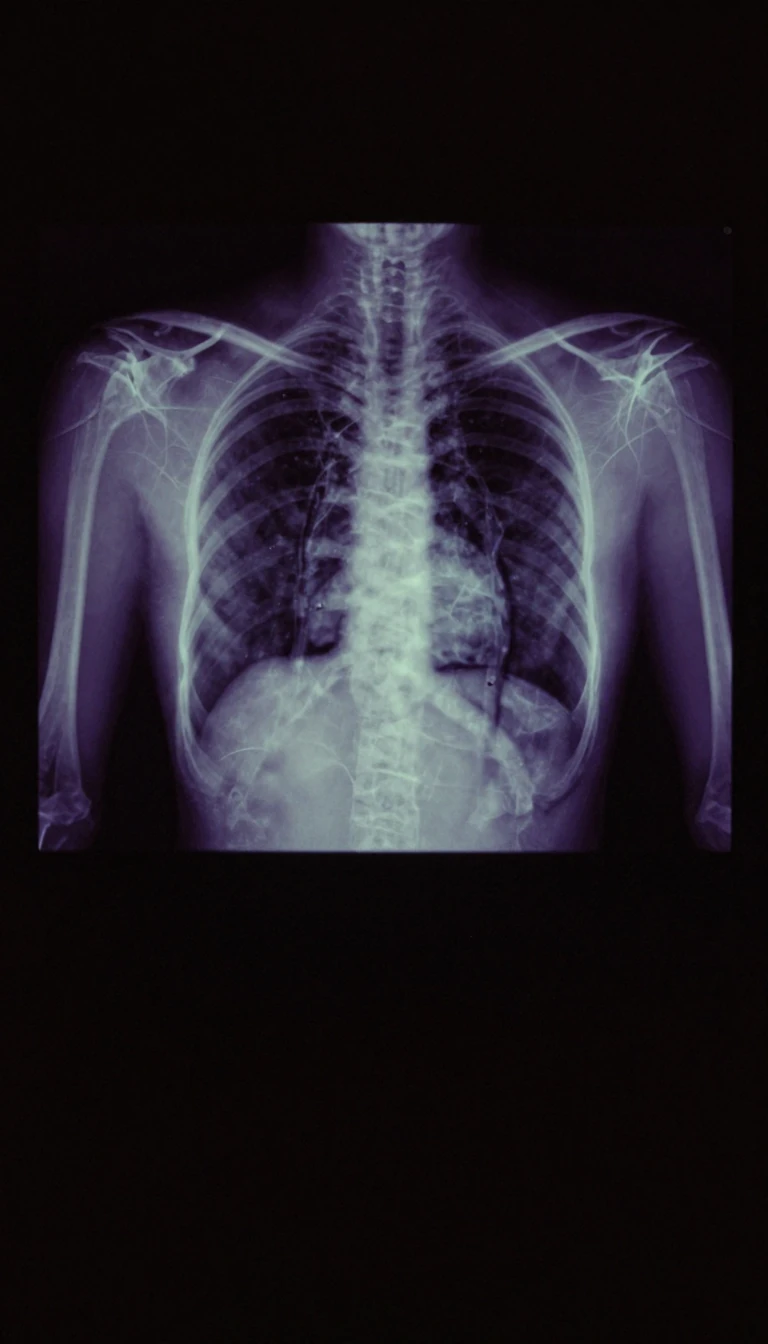
In short: Researchers developed IsoNet, a deep learning software package designed to fix the 'missing-wedge' problem in cryo-electron tomography. By iteratively reconstructing missing information, the tool improves the signal-to-noise ratio and reduces resolution anisotropy in images of cellular structures.
This method allows scientists to better interpret cellular tomograms without needing sub-tomogram averaging. Researchers demonstrated its utility by resolving structures like HIV particles and clathrin cages in cultured cells.
The study was conducted using representative cryo-electron tomography data, though the effectiveness of the software on high-resolution cellular tomograms remains to be fully established.
Why it matters: Deep learning can help scientists see clearer, more complete images of the inner workings of cells.
Opens the Intellect+ feed with this card first. Swipe up for the next one.
Sources
- Source: Research: Liu et al. (2022). Isotropic reconstruction for electron tomography with deep learning. Nature Communications. · cc-by
To cite this card, link to https://intellectplus.co.uk/app/science-research-deep-learning-software-improves-the-resolution-and-detail-of.
How we source, check and correct cards: Editorial standards.
General information, not professional advice. Spotted an error? Flag the card or see corrections and complaints.
Intellect Plus is a visual educational discovery platform for exploring fascinating facts and ideas. Brain Food, Not Brain Rot. What is Intellect Plus?
Related
More in Scientific instruments · More in Science · Latest · A–Z · All topics
