Fusion experiment achieves energy output greater than the laser energy used
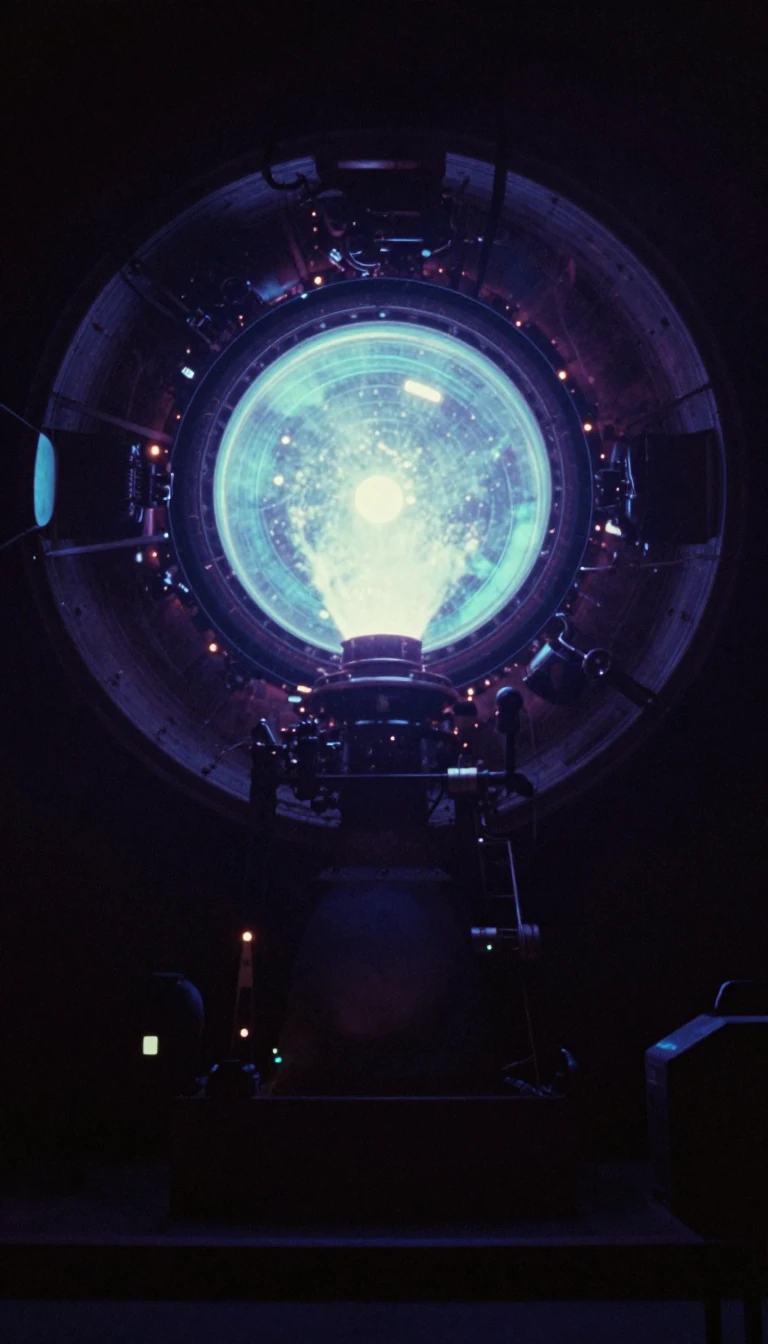
In short: Researchers at the National Ignition Facility observed a major milestone in nuclear fusion by achieving a target gain greater than one. During an indirect drive fusion implosion, a 2.05 megajoule laser pulse generated a total fusion yield of 3.1 megajoules, marking the first time a laboratory experiment has exceeded scientific breakeven.
This result demonstrates that laboratory fusion is possible based on fundamental physics principles, following decades of research. The experiment used an indirect drive fusion implosion to produce more energy than the laser light delivered to the target.
The study describes the specific target, laser, and design advancements required to reach this yield, though it focuses on the achievement of this specific outcome rather than long-term scalability.
Why it matters: This milestone shows that laboratory-based fusion can produce more energy than the laser energy used to trigger it.
Opens the Intellect+ feed with this card first. Swipe up for the next one.
Sources
- Source: Research: Shawareb et al. (2024). Achievement of Target Gain Larger than Unity in an Inertial Fusion Experiment. Physical Review Letters. · cc-by
To cite this card, link to https://intellectplus.co.uk/app/science-research-fusion-experiment-achieves-energy-output-greater-than-the-la.
How we source, check and correct cards: Editorial standards.
General information, not professional advice. Spotted an error? Flag the card or see corrections and complaints.
Intellect Plus is a visual educational discovery platform for exploring fascinating facts and ideas. Brain Food, Not Brain Rot. What is Intellect Plus?
Related
More in Science · Latest · A–Z · All topics
