Holographic imaging provides a non-contact way to map internal structures of materials
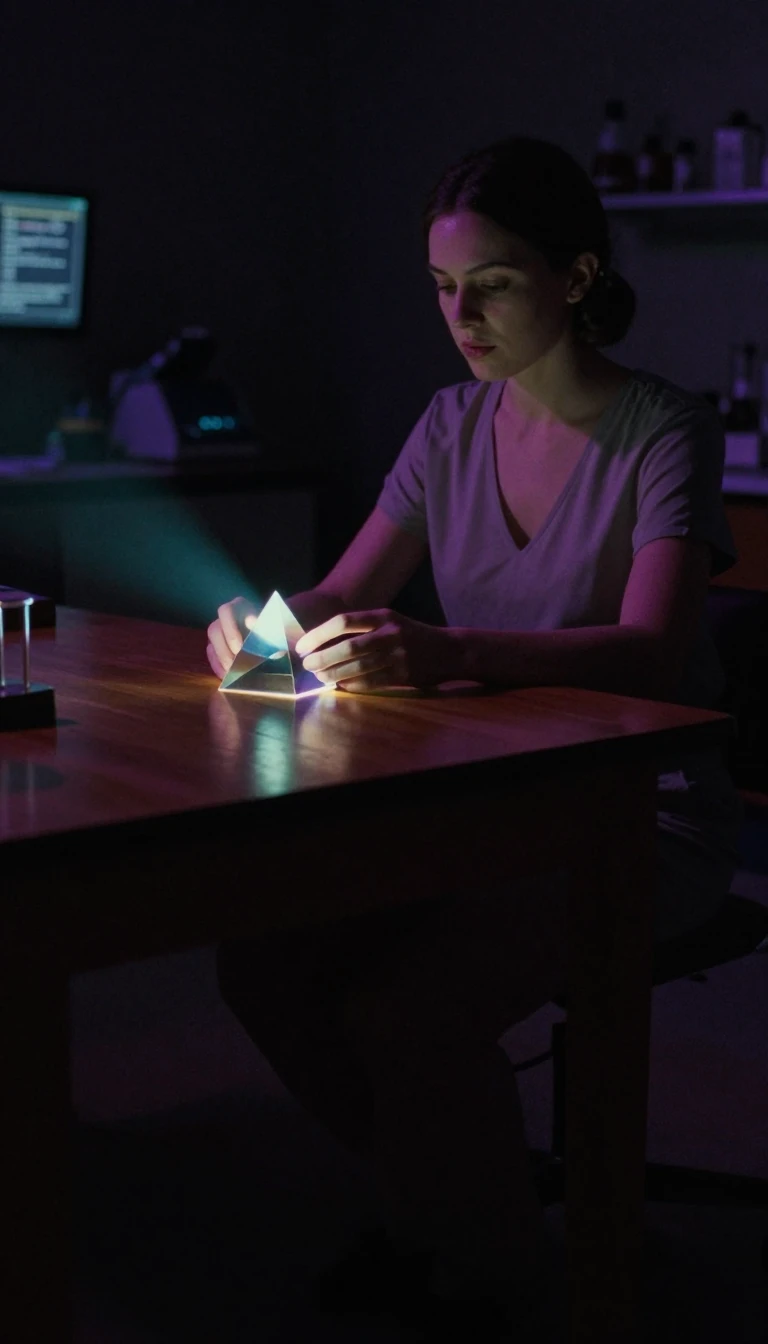
In short: Researchers have highlighted how digital holography allows for the precise measurement of optical wavefronts without touching the subject. By capturing how light scatters and preserves its phase information, this technology can create quantitative maps of thickness and refractive index in samples that are otherwise difficult to see.
This technique is particularly useful for studying materials with weak absorption, such as biological tissues or complex industrial components. It bridges the gap between traditional imaging and light scattering by reconstructing complex-value data from simple intensity measurements taken by a camera.
The paper provides a comprehensive review of technical approaches and multidisciplinary applications rather than reporting a single new experiment. As a review, it summarizes existing principles and identifies future challenges in combining holography with other methodologies.
Why it matters: Holography allows scientists to 'see' the internal properties of materials by analyzing how they shape light waves.
Opens the Intellect+ feed with this card first. Swipe up for the next one.
Sources
- Source: Research: Huang and Cao (2024). Quantitative phase imaging based on holography: trends and new perspectives. Light Science & Applications. · cc-by
To cite this card, link to https://intellectplus.co.uk/app/science-research-holographic-imaging-provides-a-non-contact-way-to-map-intern.
How we source, check and correct cards: Editorial standards.
General information, not professional advice. Spotted an error? Flag the card or see corrections and complaints.
Intellect Plus is a visual educational discovery platform for exploring fascinating facts and ideas. Brain Food, Not Brain Rot. What is Intellect Plus?
Related
More in Optics & light · More in Science · Latest · A–Z · All topics
