Sleep deprivation consistently impairs emotional regulation and increases feelings of anxiety
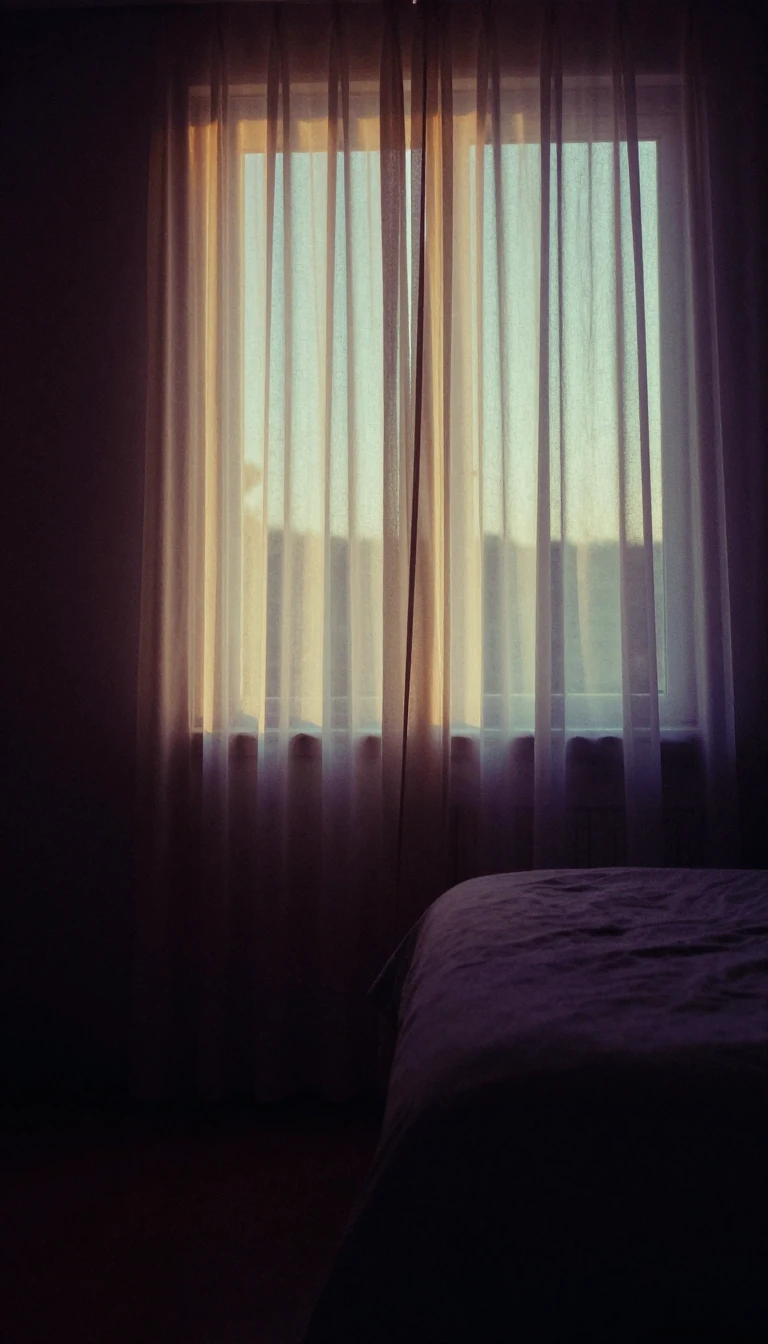
In short: A systematic review and meta-analysis of experimental research involving 5,717 participants found that sleep loss consistently impacts human emotional functioning. The data showed that people who experienced extended wakefulness, shorter sleep duration, or nighttime awakenings reported fewer positive emotions and higher levels of anxiety.
The study highlights that while sleep loss generally blunts emotional arousal and reduces positive affect, its impact on negative affect and depressive symptoms is more complex and varies depending on the specific type of sleep loss. These findings provide a comprehensive look at how inadequate rest shapes our daytime emotional lives.
The researchers synthesized data from a wide range of experiments spanning several decades. However, the results also indicate nonlinear effects based on the amount of sleep lost and the specific stage of sleep restricted, such as REM or slow-wave sleep.
Why it matters: Understanding how sleep loss shapes our emotions helps explain why we feel more anxious and less positive when tired.
Opens the Intellect+ feed with this card first. Swipe up for the next one.
Sources
- Summary by Intellect · source: Research: Palmer et al. (2023). Sleep loss and emotion: A systematic review and meta-analysis of over 50 years of experimental research. Psychological Bulletin.
To cite this card, link to https://intellectplus.co.uk/app/science-research-sleep-deprivation-consistently-impairs-emotional-regulation.
How we source, check and correct cards: Editorial standards.
General information, not professional advice. Spotted an error? Flag the card or see corrections and complaints.
Intellect Plus is a visual educational discovery platform for exploring fascinating facts and ideas. Brain Food, Not Brain Rot. What is Intellect Plus?
Related
More in Science · Latest · A–Z · All topics
