From ancient Indus ports to modern assembly lines, shipyards have shaped global industrial history.
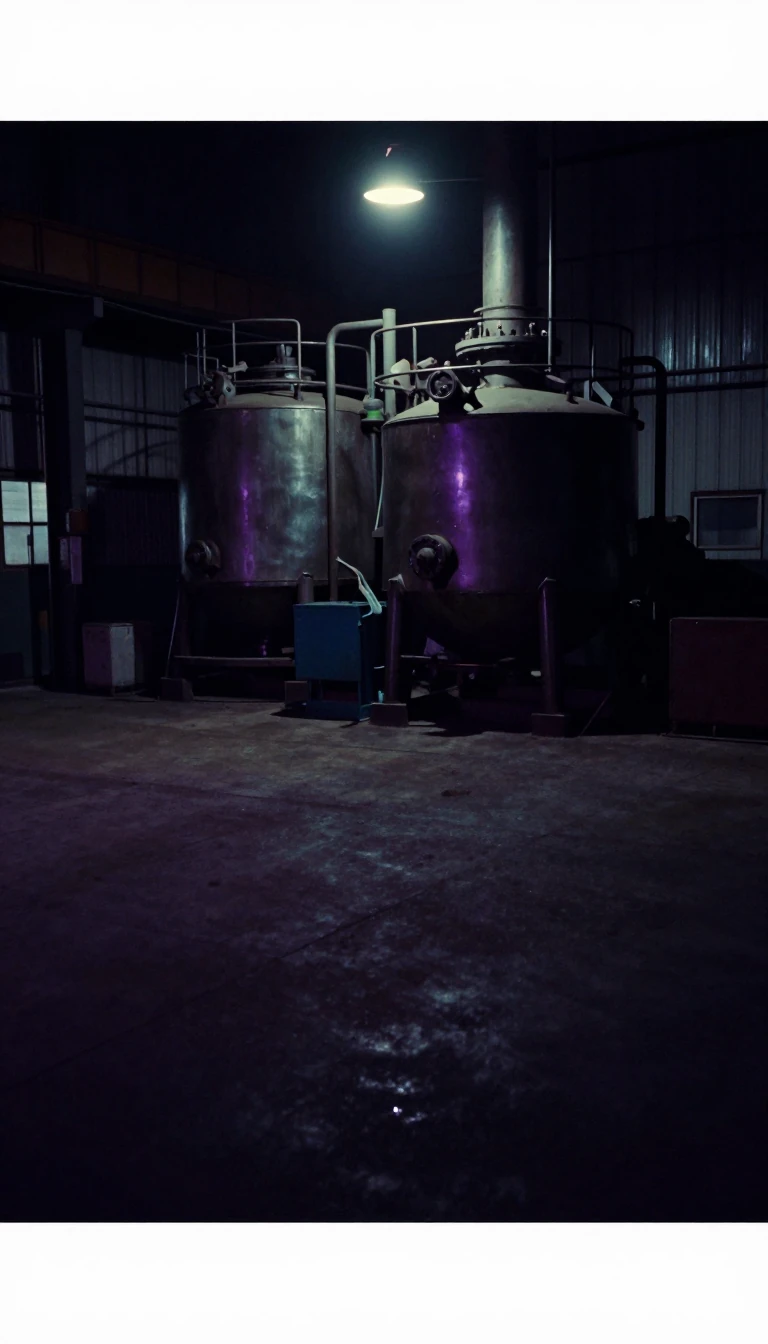
In short: Long before the Industrial Revolution, the Venetian Arsenal mass-produced ships using assembly lines and pre-manufactured parts. Today, shipyards remain massive, complex hubs of engineering, evolving from simple repair docks into high-tech facilities that must now meet strict international environmental regulations to build more efficient, cleaner vessels for global trade.
The concept of the shipyard is ancient, with the Indus Valley civilization constructing a dockyard at Lothal around 2400 BC. By the 14th century, the Venetian Arsenal had pioneered factory-style production, employing 16,000 people at its peak in the 16th century to churn out nearly one ship daily. This legacy of innovation continued through the Industrial Revolution, which saw the rise of iconic yards like Harland & Wolff in Belfast and Blohm+Voss in Germany, the latter known for constructing the Bismarck.
Modern shipyards are sprawling industrial complexes containing specialized cranes, dry docks, and fabrication areas. While the 20th century saw the rise of massive wartime facilities like the Sun Shipbuilding & Drydock Co.—which employed 40,000 workers by 1945—the industry has since shifted. Today, shipbuilding is concentrated in Asia, with China accounting for approximately 50% of global tonnage in 2023. Meanwhile, the ship-breaking industry has largely migrated to South Asia, specifically India, Bangladesh, and Pakistan, due to lower wages and shifting environmental standards.
Operating a shipyard is inherently dangerous, involving risks like falls, fire, and exposure to hazardous materials like asbestos, which has left a significant health legacy for many workers. To manage these dangers, modern yards rely on strict safety regulations and risk assessments. As the industry moves into the 2020s, it faces a new era of transformation driven by the International Maritime Organization, which mandates that new ships be built to operate with greater efficiency and reduced pollution, forcing a redesign of traditional shipyard infrastructure.
Opens the Intellect+ feed with this card first. Swipe up for the next one.
Sources
- Summary by Intellect · source: Shipyard
To cite this card, link to https://intellectplus.co.uk/app/science-shipyard.
How we source, check and correct cards: Editorial standards.
General information, not professional advice. Spotted an error? Flag the card or see corrections and complaints.
Intellect Plus is a visual educational discovery platform for exploring fascinating facts and ideas. Brain Food, Not Brain Rot. What is Intellect Plus?
Related
More in Mathematicians · More in Science · Latest · A–Z · All topics
