Can automation buy us freedom or just create more unemployment?
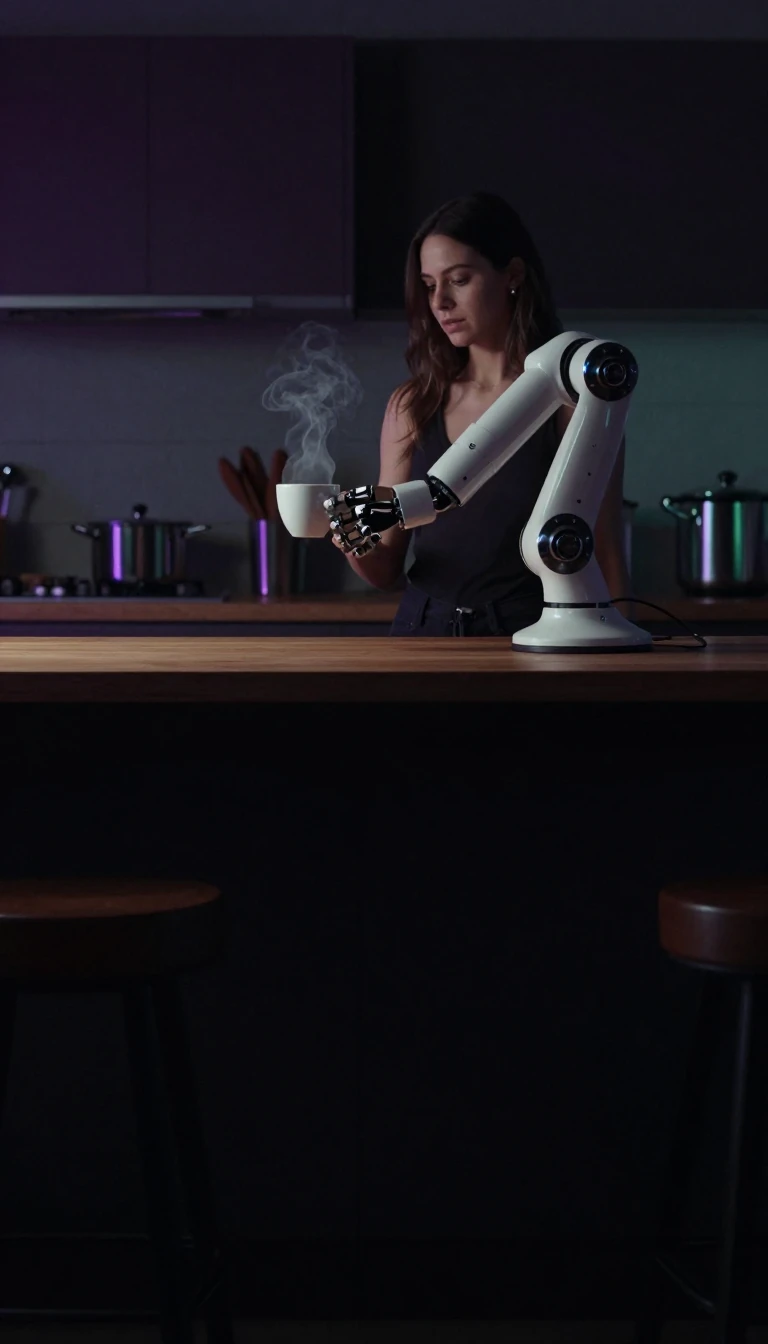
In short: Social ownership isn't just a political slogan; it is a structural proposal to decouple human survival from capital accumulation. By shifting the ownership of production from private individuals to society, proponents argue we can turn technological progress into shorter work weeks rather than permanent job insecurity.
At its core, social ownership seeks to eliminate the distinction between those who receive passive property income (like rent or interest) and those who receive labor income (wages). In a capitalist framework, Marx argued that as machines replace human labor, the surplus value generated by that automation flows to the owners of the 'constant capital,' leading to stagnant wages and rising unemployment. Social ownership proposes that the surplus product of these automated systems should instead belong to society as a whole or to the workers themselves.
The mechanism of this transition varies significantly between different socialist schools of thought. Market socialists argue that we can retain market mechanisms and profit-maximizing enterprises, provided the profits are distributed as a 'social dividend' or through worker-owned cooperatives. In contrast, non-market socialists, such as the 'scientific utopianists' of the 1920s, argued for a deeper 'socialization.' This involves moving beyond mere ownership titles to restructure the very laws of motion of the economy, potentially replacing monetary valuation with 'calculation in kind'—using units of energy and time to plan production to meet community needs.
The ultimate goal cited by many theorists, including Albert Einstein in 1949, is the 'transcendence of alienation.' By socializing the means of production, the aim is to reduce the necessary length of the working day. Instead of automation leading to a 'jobless' future, the goal is to create a 'realm of freedom' where individuals have progressively larger portions of their time to pursue creative interests and leisure, rather than being tethered to labor for survival.
Opens the Intellect+ feed with this card first. Swipe up for the next one.
Sources
- Summary by Intellect · source: Social ownership
To cite this card, link to https://intellectplus.co.uk/app/science-social-ownership.
How we source, check and correct cards: Editorial standards.
General information, not professional advice. Spotted an error? Flag the card or see corrections and complaints.
Intellect Plus is a visual educational discovery platform for exploring fascinating facts and ideas. Brain Food, Not Brain Rot. What is Intellect Plus?
Related
More in Mathematicians · More in Science · Latest · A–Z · All topics
