Is this common food preservative a hidden neuro-therapeutic or a toxic health risk?
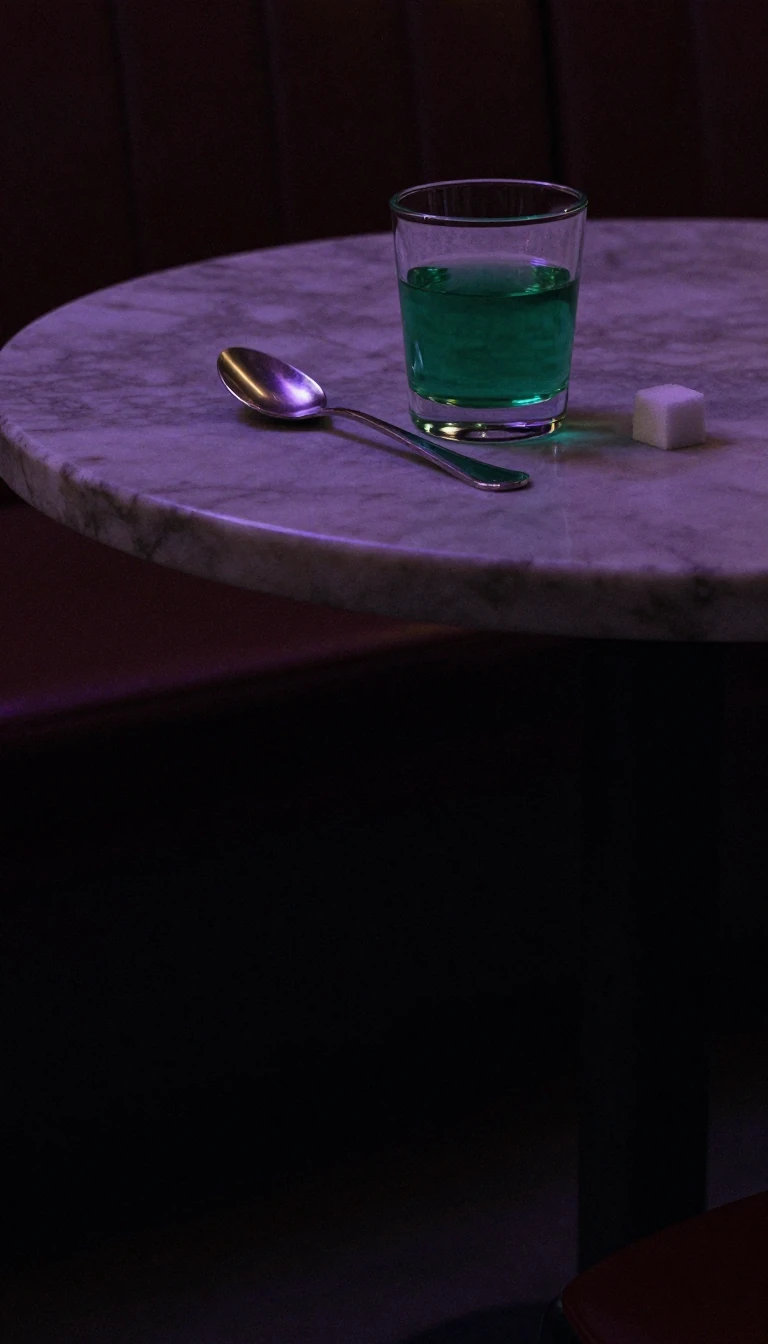
In short: Sodium benzoate is a ubiquitous food additive, found in everything from carbonated drinks to pickles. While the FDA classifies it as generally safe, recent research suggests a paradox: this same compound is being investigated as a potential treatment for schizophrenia and depression, even as other studies warn of its toxicity.
Sodium benzoate, labeled E211 in Europe, is a salt of benzoic acid valued for its ability to inhibit mold, yeast, and bacteria. Because it is water-soluble, tasteless, and odorless, it has become a staple preservative in acidic foods like fruit juices, jams, and salad dressings. Naturally occurring in foods like cranberries, blueberries, and cinnamon, it is processed by the human body through a conjugation reaction in the liver and kidneys, where it binds with glycine to form hippurate, which is then excreted in urine. Because it does not accumulate in the body, it has long been considered safe within an Acceptable Daily Intake of up to 5 mg/kg of body weight.
The controversy surrounding sodium benzoate arises from its dual nature. On one hand, it is an FDA-approved therapeutic agent used to treat urea cycle disorders and hyperammonemia. Emerging research even explores its potential to alleviate symptoms of major depressive disorder, autism spectrum disorder, and schizophrenia. Conversely, some studies report significant health concerns, including the potential for mutagenic effects, oxidative stress, and hormonal disruption. A specific concern is that when combined with vitamin C (ascorbic acid), especially under conditions of heat and light, sodium benzoate can form benzene, a known carcinogen.
Scientific findings remain contradictory. While some laboratory studies on human lymphocytes have shown evidence of genotoxicity, such as chromosome breakage and micronucleus formation, these results are not universally accepted as indicative of human health risks at standard consumption levels. Furthermore, while some research has linked mixtures of artificial colors and sodium benzoate to hyperactive behavior in children, the evidence specifically isolating the preservative remains inconclusive. As consumers increasingly demand 'clean label' products, the debate continues over whether this preservative is a benign tool for food safety or a compound requiring more stringent regulation.
Opens the Intellect+ feed with this card first. Swipe up for the next one.
Sources
- Summary by Intellect · source: Sodium Benzoate—Harmfulness and Potential Use in Therapies for Disorders Related to the Nervous System: A Review
- Also: Sodium benzoate
To cite this card, link to https://intellectplus.co.uk/app/science-sodium-benzoate.
How we source, check and correct cards: Editorial standards.
General information, not professional advice. Spotted an error? Flag the card or see corrections and complaints.
Intellect Plus is a visual educational discovery platform for exploring fascinating facts and ideas. Brain Food, Not Brain Rot. What is Intellect Plus?
Related
More in Salts and ions · More in Science · Latest · A–Z · All topics
