Beyond eight legs: the hidden engineering that makes a spider a master predator.
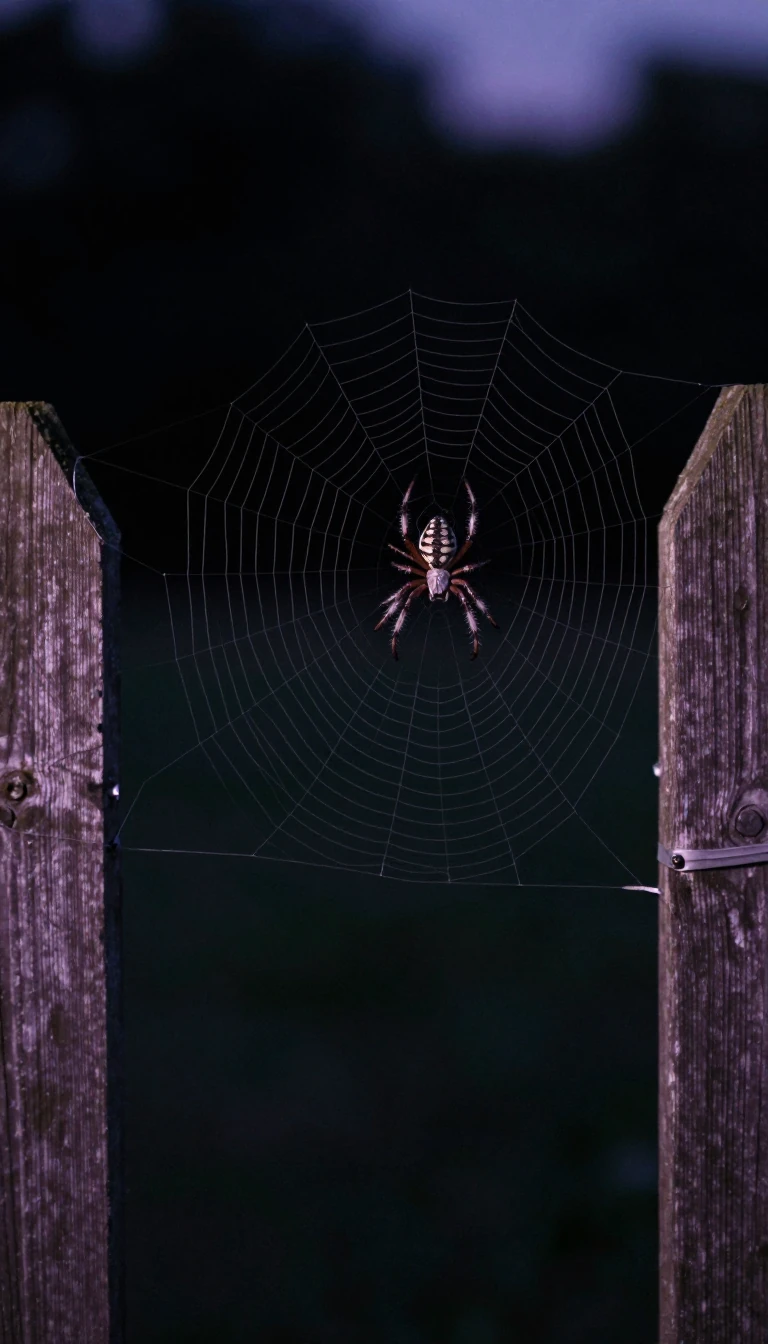
In short: Spiders are not just multi-legged insects; they are complex biological machines. With two distinct body segments, an internal skeleton, and a unique hydraulic system that pumps blue blood, they have evolved specialized tools—from silk-spinning spinnerets to vibration-sensing legs—that allow them to dominate niches ranging from webs to active hunting.
At the core of spider anatomy is a body plan divided into two tagmata: the cephalothorax and the abdomen, joined by a thin waist called the pedicel. Unlike insects, which have three body parts, spiders possess an endoskeleton alongside their exoskeleton. This structure supports eight jointed legs, each composed of seven segments. Because spiders lack antennae, they rely on sensitive setae on these legs to detect vibrations, air currents, and scents, allowing them to navigate their environment with extreme precision.
The spider's circulatory system is equally distinct. They utilize an open system where haemolymph—a fluid tinted blue by copper-based hemocyanin—is pumped by a simple, tube-like heart into sinuses surrounding their organs. Digestion is primarily external; spiders secrete digestive fluids into prey through ducts in their chelicerae, liquefying the insides before consuming them. This liquid-only diet is a necessity, as they lack the mouthparts required for chewing.
Respiration and reproduction reveal the depth of their evolutionary adaptation. While primitive spiders rely on book lungs, many modern species have evolved tracheae, a more efficient system that supports active hunting. Reproduction is equally specialized: males use pedipalps as copulatory organs to transfer sperm to the female. First described by Martin Lister in 1678, this process involves males depositing semen onto a nuptial web before loading it into their palpal bulbs. This complex mating ritual, combined with their ability to recycle silk proteins, underscores the sophisticated biological engineering that has allowed spiders to thrive across diverse global habitats.
Opens the Intellect+ feed with this card first. Swipe up for the next one.
Sources
- Summary by Intellect · source: Spider anatomy
To cite this card, link to https://intellectplus.co.uk/app/science-spider-anatomy.
How we source, check and correct cards: Editorial standards.
General information, not professional advice. Spotted an error? Flag the card or see corrections and complaints.
Intellect Plus is a visual educational discovery platform for exploring fascinating facts and ideas. Brain Food, Not Brain Rot. What is Intellect Plus?
Related
More in UK & Ireland: science · More in Science · Latest · A–Z · All topics
