The cellar spider is a master of defense, mimicry, and potential medical innovation.
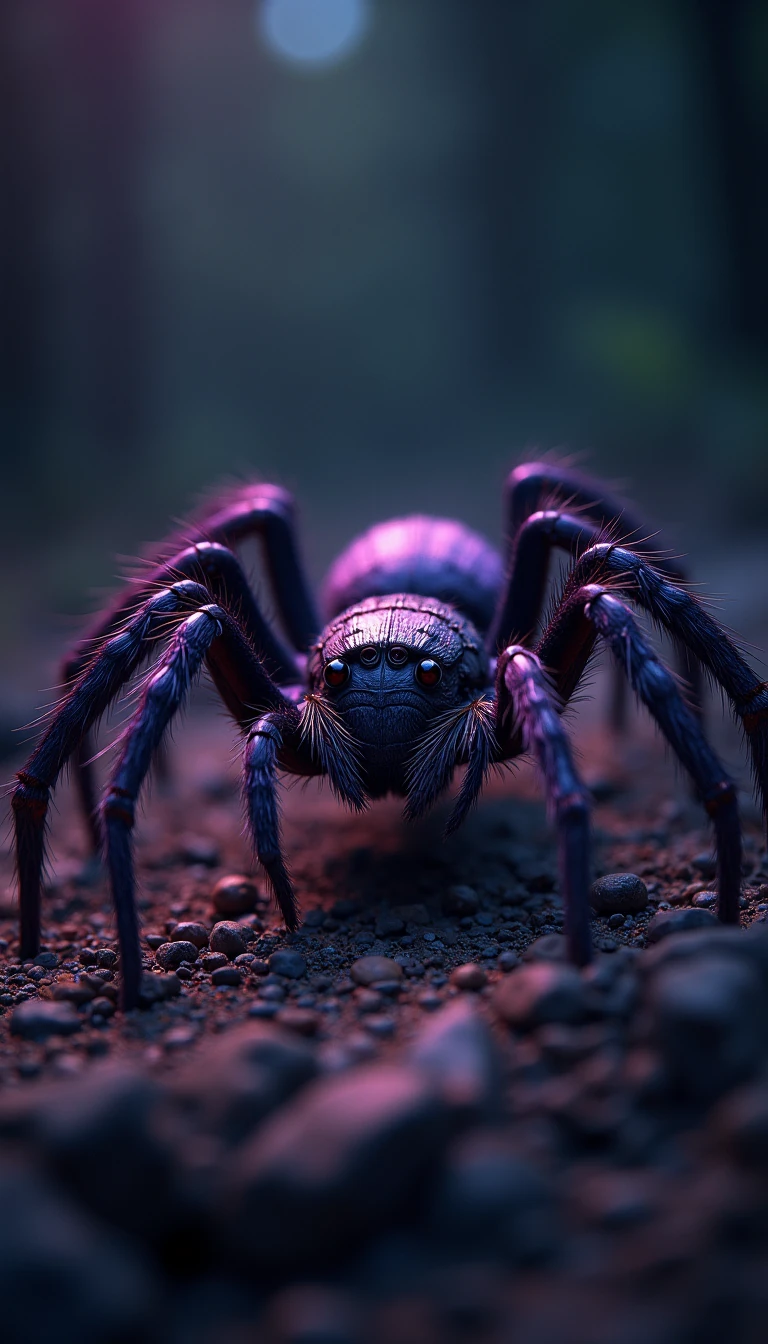
In short: Commonly known as the daddy long-legs, Pholcus phalangioides is a misunderstood predator. While often dismissed as a mere house guest, this spider employs sophisticated vibration-based hunting, complex mating rituals, and a unique whirling defense mechanism. Beyond its web, its silk is now being studied for revolutionary medical and imaging applications.
Pholcus phalangioides, first described in 1775 by Johann Kaspar Füssli, is a synanthropic spider that has spread globally alongside human expansion. While often confused with harvestmen or crane flies, this eight-eyed arachnid is a distinct member of the Pholcidae family. These spiders prefer the quiet, dimly lit corners of human dwellings, where they construct loose, irregular webs. Their physical structure is defined by legs that are five to six times the length of their bodies, with females typically reaching 7 to 8 mm in length and males averaging 6 mm.
The spider is a carnivorous predator that does not rely solely on passive trapping. It actively hunts other spiders, including dangerous species like the redback, by using specialized vibrations to mimic prey. This same vibrational sensitivity is critical for its survival; when threatened, the spider performs a 'whirling' defense, gyrating its body to blur its silhouette against the eyes of predatory jumping spiders. Despite a common misconception that their fangs are too small to pierce human skin, their 0.25 mm fangs are technically capable of biting, though the effect on humans is negligible.
Beyond its predatory behavior, the species is a subject of significant biomedical interest. Researchers have discovered that its silk contains antimicrobial compounds capable of inhibiting drug-resistant pathogens like E. coli and Staphylococcus aureus. Furthermore, the silk's unique properties allow it to be molded into lenses that generate high-quality photonic nanojets. By dripping resin onto the fibers, scientists can create adjustable lenses for biological tissue imaging, highlighting how this common cellar dweller may hold the key to future medical and technological advancements.
Opens the Intellect+ feed with this card first. Swipe up for the next one.
Sources
- Summary by Intellect · source: Pholcus phalangioides
- Also: iNaturalist — Long-bodied Cellar Spider (Pholcus phalangioides) · CC BY-SA 4.0 (Wikipedia summary)
To cite this card, link to https://intellectplus.co.uk/app/nature-pholcus-phalangioides.
How we source, check and correct cards: Editorial standards.
General information, not professional advice. Spotted an error? Flag the card or see corrections and complaints.
Intellect Plus is a visual educational discovery platform for exploring fascinating facts and ideas. Brain Food, Not Brain Rot. What is Intellect Plus?
Related
More in Arthropods · More in Nature · Latest · A–Z · All topics
