How Kyrgyzstan’s Parliament Balances Power Through Complex Mathematical Rules for Representation
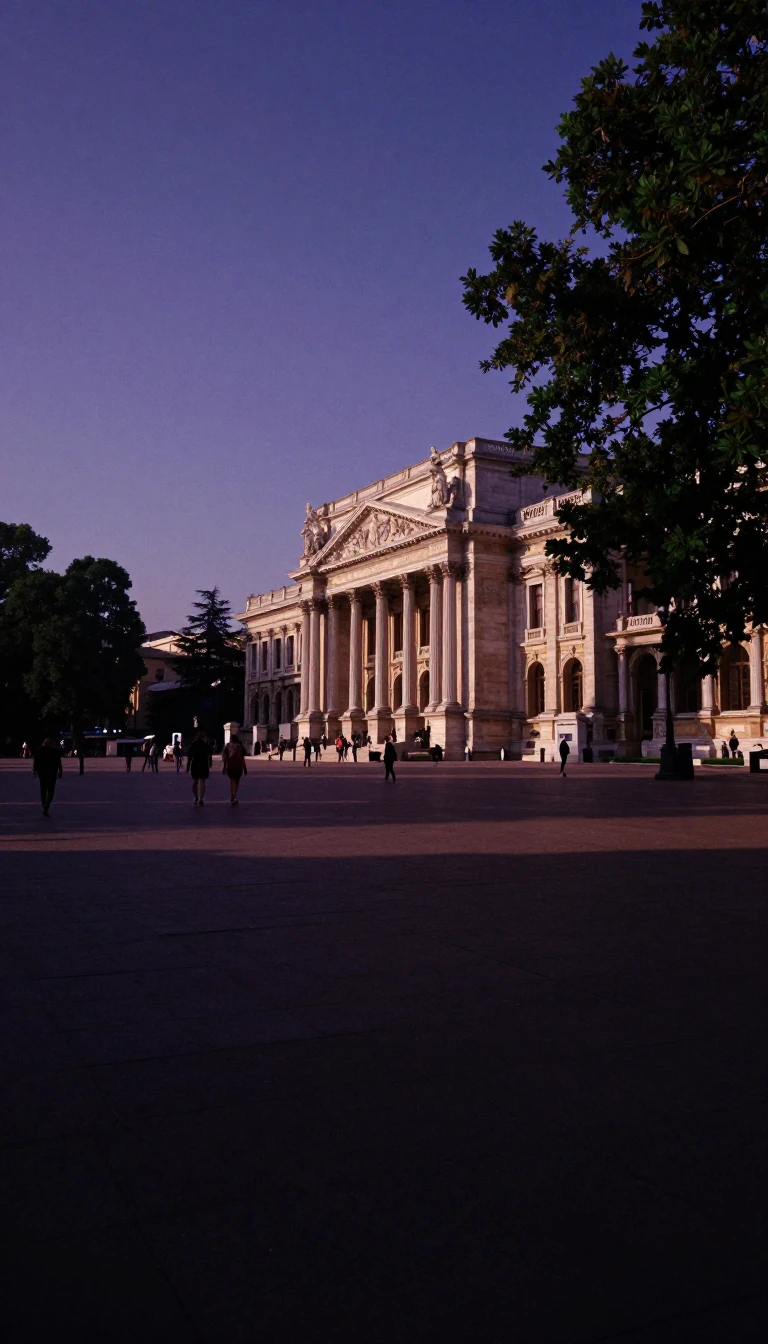
In short: The Jogorku Kenesh, Kyrgyzstan’s unicameral parliament, operates through a precise system of electoral engineering. With 90 seats distributed across 30 three-member districts, the body employs specific quotas and voting mechanisms to manage gender balance, ethnic diversity, and age representation, reflecting a unique approach to maintaining stability in a post-Soviet state.
The structure of the Supreme Council has undergone significant transformations since Kyrgyzstan gained independence in 1991. Initially, the legislature functioned as the Supreme Soviet, but it later adopted a bicameral system between 1995 and 2005, consisting of a Legislative Assembly and an Assembly of People's Representatives. This dual-chamber setup was eventually replaced by a unicameral body, which has seen its size fluctuate based on constitutional shifts. Following the 2010 revolution that ousted President Kurmanbek Bakiyev, the parliament expanded to 120 seats, before a subsequent constitutional amendment reduced the total by 25% to return to the current 90-seat configuration.
The current electoral framework relies on a single non-transferable vote system within 30 constituencies. To ensure diverse representation, the rules mandate specific outcomes for each district: the three highest-polling candidates secure the seats, provided they satisfy gender-specific requirements. Specifically, one seat in each three-member district is reserved for the top-performing female candidate, and another is set aside for the top-performing male candidate. This design aims to prevent the concentration of power while ensuring that various demographics are included in the legislative process.
Beyond district-level mechanics, the parliament has historically utilized party-list requirements to further shape its composition. Previous iterations included thresholds for ethnic minority representation, age-based quotas for candidates under 35, and mandatory inclusion for individuals with disabilities. These regulations reflect a broader effort to institutionalize inclusivity within the political system. While the specific electoral methods have evolved—moving from proportional representation in a single nationwide constituency to the current district-based model—the underlying goal remains the management of political influence through structured, rule-based participation.
The importance of these mechanisms is highlighted by the country's history of political volatility, including the 2005 Tulip Revolution, which followed parliamentary elections that international observers deemed flawed. By codifying seat distribution and candidate requirements, the state attempts to mitigate the risks of power consolidation. Today, the Supreme Council serves as the central legislative authority, with its presiding officer, the Chairman, overseeing the body's operations under a system designed to balance democratic participation with constitutional stability.
Opens the Intellect+ feed with this card first. Swipe up for the next one.
Sources
- Summary by Intellect · source: Supreme Council (Kyrgyzstan)
To cite this card, link to https://intellectplus.co.uk/app/science-supreme-council-kyrgyzstan.
How we source, check and correct cards: Editorial standards.
General information, not professional advice. Spotted an error? Flag the card or see corrections and complaints.
Intellect Plus is a visual educational discovery platform for exploring fascinating facts and ideas. Brain Food, Not Brain Rot. What is Intellect Plus?
Related
More in Mathematicians · More in Science · Latest · A–Z · All topics
