How tiny solder droplets and molten surface tension revolutionized the modern electronic landscape
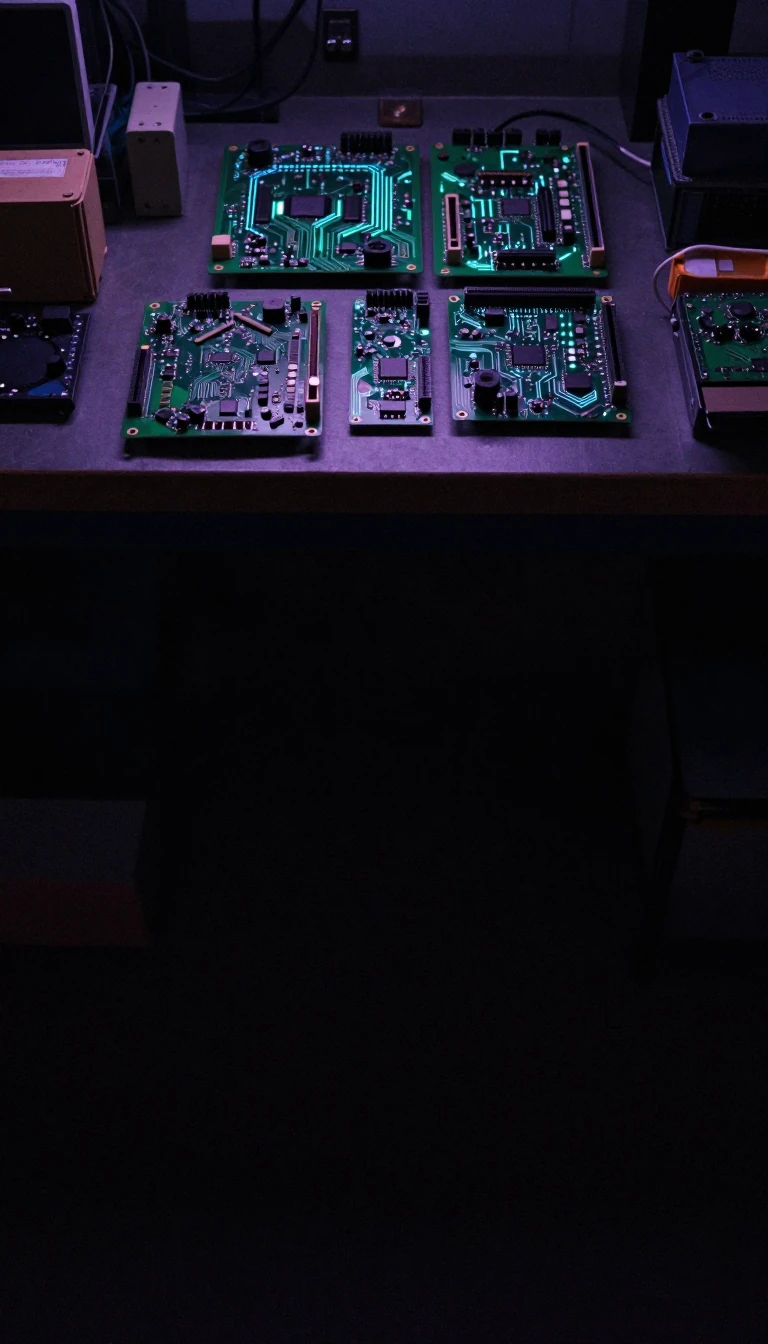
In short: Surface-mount technology replaced bulky through-hole components by mounting parts directly onto circuit boards. This shift enabled massive automation, higher component density, and smaller devices. While it powers everything from smartphones to aerospace computers, this precision process relies on the surprising physics of molten solder to align components automatically.
Developed in the 1960s, surface-mount technology (SMT) transformed electronics manufacturing by moving away from traditional through-hole methods. Pioneered by IBM, the technique was famously applied in the guidance systems for Saturn IB and Saturn V rockets. By the late 1990s, SMT had become the dominant standard for high-tech assemblies, allowing for significantly smaller circuit boards and higher component densities. Unlike through-hole parts, which require leads to be inserted through drilled holes, surface-mount devices (SMDs) are soldered directly onto flat copper pads.
The manufacturing process is a marvel of automation. Solder paste—a mixture of flux and metal particles—is applied to a board via stencils or jet-printing. High-speed pick-and-place machines then position components with extreme precision. As the board enters a reflow oven, the solder melts, and a phenomenon known as surface tension takes over. This physical force acts as a self-correcting mechanism, pulling slightly misaligned components into perfect position on their pads. This automation allows some machines to place over 136,000 components per hour, a rate impossible with manual assembly.
Despite its efficiency, SMT presents unique challenges. Because components are tiny and often lack leads, manual prototyping and repair are difficult, requiring specialized tools and significant skill. Furthermore, the reliance on minimal solder volumes for ultra-fine pitch connections raises concerns about joint reliability, as voids within the solder can lead to failure. While SMT offers superior mechanical performance under vibration and better high-frequency signal integrity, it remains less suitable for components subject to frequent mechanical stress, such as external connectors, which often still utilize through-hole mounting for durability.
The industry continues to evolve, with debates over cleaning processes—such as 'No-Clean' versus rigorous washing—highlighting the tension between cost-saving and long-term reliability. Standards set by organizations like the IPC aim to ensure quality, yet the drive for lower costs in consumer electronics often dictates the manufacturing approach. Ultimately, SMT is the backbone of modern miniaturization, balancing complex physics with the relentless demand for faster, smaller, and more reliable electronic systems.
Opens the Intellect+ feed with this card first. Swipe up for the next one.
Sources
- Summary by Intellect · source: Surface-mount technology
To cite this card, link to https://intellectplus.co.uk/app/science-surface-mount-technology.
How we source, check and correct cards: Editorial standards.
General information, not professional advice. Spotted an error? Flag the card or see corrections and complaints.
Intellect Plus is a visual educational discovery platform for exploring fascinating facts and ideas. Brain Food, Not Brain Rot. What is Intellect Plus?
Related
More in Basics · More in Science · Latest · A–Z · All topics
