Solder is more than just glue for metal; it is a complex metallurgical balancing act.
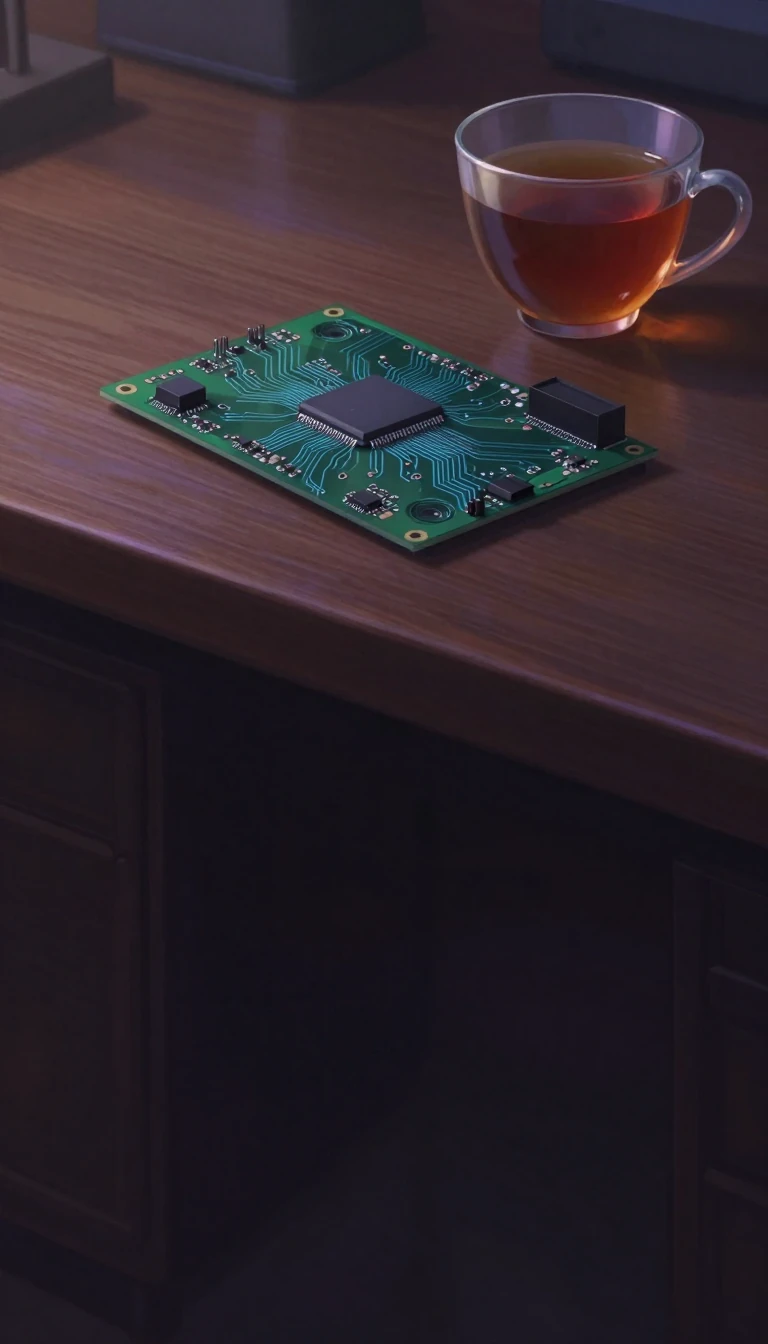
In short: Solder is a fusible alloy designed to create permanent bonds between metal parts. While it seems simple, its composition is a precise science. From the eutectic mixtures that solidify instantly to the complex additives used to prevent corrosion or improve fluidity, every element serves a specific, often delicate, mechanical purpose.
At its core, solder is defined by its ability to melt at a lower temperature than the materials it joins. Soft solders, typically used in electronics and plumbing, melt between 90 and 450 °C. When an alloy is eutectic, its melting and freezing points coincide, creating a single, sharp temperature transition. This is vital for electrical work, where disturbing a joint while it is in a 'pasty' non-eutectic state can ruin the connection.
The transition away from traditional lead-tin alloys has been driven by health and environmental concerns, particularly regarding lead's neurotoxicity. Since the 1970s, regulations like the US Safe Drinking Water Act and the EU's 2006 RoHS directive have forced a shift toward lead-free alternatives. These modern solders often rely on tin-silver-copper (SAC) combinations, which require higher processing temperatures and careful management of intermetallic compounds to ensure durability.
Metallurgists now treat solder as a multi-element system where every trace additive matters. For instance, bismuth can lower melting points but risks creating brittle, low-temperature failure points. Nickel is added to stabilize copper-tin intermetallics and improve surface finish, while germanium is used to suppress oxidation. Even the presence of radioisotope impurities in lead, such as polonium-210, has become a concern, as alpha particle emissions can cause soft errors in sensitive electronic components.
The choice of solder is ultimately a trade-off between wetting properties, mechanical strength, and cost. Whether it is indium used for its unique ability to bond with non-metals like glass or specialized hard solders for jewelry that must survive multiple heating cycles, the material is engineered to meet extreme demands. Understanding these alloys reveals that even the most mundane repair involves a sophisticated application of material science.
Opens the Intellect+ feed with this card first. Swipe up for the next one.
Sources
- Summary by Intellect · source: Solder
To cite this card, link to https://intellectplus.co.uk/app/science-solder.
How we source, check and correct cards: Editorial standards.
General information, not professional advice. Spotted an error? Flag the card or see corrections and complaints.
Intellect Plus is a visual educational discovery platform for exploring fascinating facts and ideas. Brain Food, Not Brain Rot. What is Intellect Plus?
Related
More in Alloys and ceramic compounds · More in Science · Latest · A–Z · All topics
