Why the beauty industry is moving away from centuries of animal-based safety testing
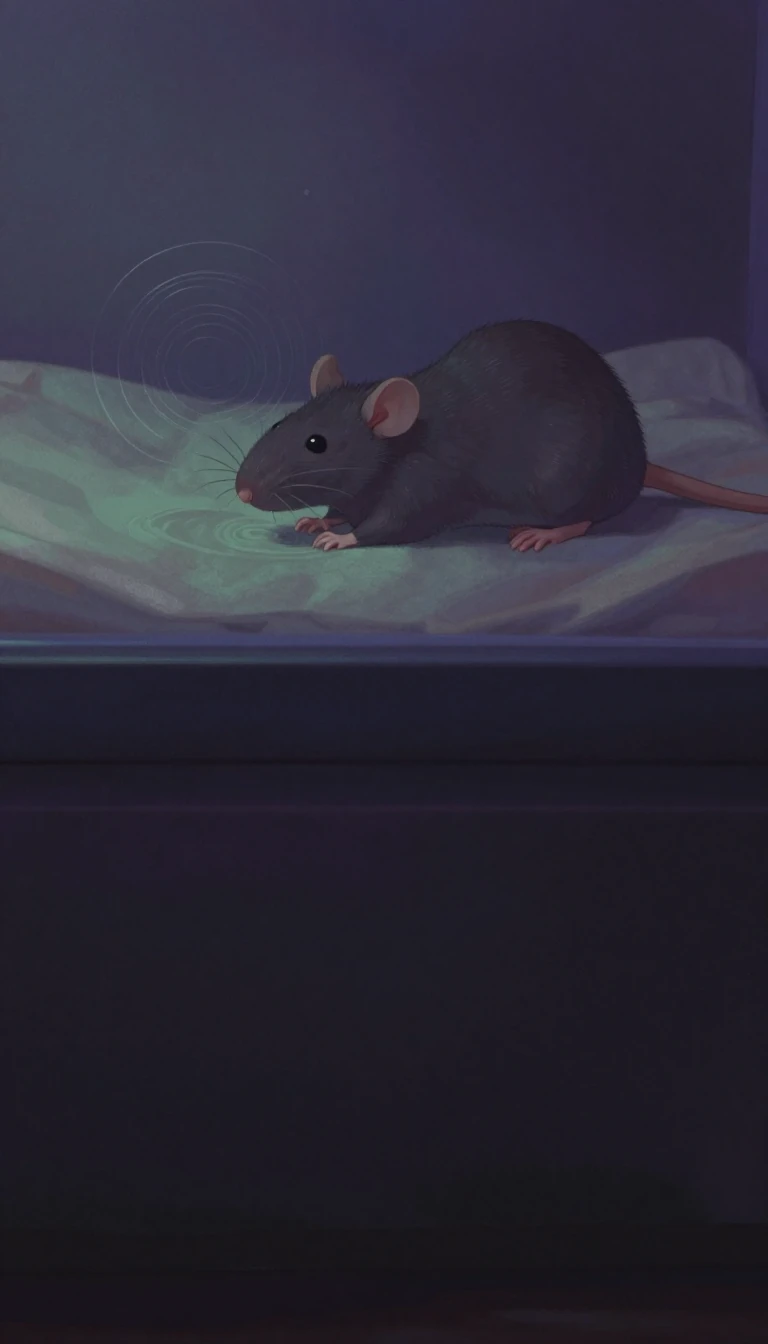
In short: For decades, cosmetic safety was synonymous with animal trials. Today, a global shift toward cruelty-free standards is forcing a rethink. From lab-grown skin to synthetic organs, scientists are replacing rabbits and rats with high-tech alternatives, though regulatory hurdles and historical safety mandates keep the debate alive in many regions.
The practice of using animals to verify cosmetic safety emerged largely as a response to the 1937 elixir sulfanilamide tragedy, which caused over 100 deaths and prompted the 1938 U.S. Federal Food, Drug, and Cosmetic Act. This legislation necessitated rigorous safety protocols, leading companies to adopt animal models—such as the Draize test—to assess skin irritation, eye corrosion, and lethal toxicity. These methods often involve force-feeding or applying chemicals to shaved skin, practices that have drawn intense scrutiny from animal rights advocates.
Modern alternatives aim to bypass these methods through the 'Three R's' strategy: reduction, refinement, and replacement. Researchers now utilize reconstructed human skin models like EpiSkin and EpiDerm, which mimic native tissue, and synthetic liver models from companies like NOTOX to evaluate toxicity. By leveraging a database of 5,000 previously tested ingredients, manufacturers can often avoid new animal trials entirely. Despite these advancements, some companies remain tethered to animal testing due to the speed at which rodents mature and reproduce, offering a faster, albeit controversial, testing cycle compared to the time-intensive cultivation of lab-grown tissues.
The regulatory landscape is shifting rapidly. The European Union, Norway, and Colombia have implemented comprehensive bans on testing and the sale of animal-tested products. Canada joined this movement in 2023 through amendments to its Food and Drugs Act. Conversely, regions like the United States and Japan maintain more stringent safety requirements that can still necessitate animal data. While organizations like Cruelty Free International provide certification to brands that meet global standards, the tension between public demand for ethical products and the legal obligation to ensure consumer safety remains a defining challenge for the global beauty industry.
Opens the Intellect+ feed with this card first. Swipe up for the next one.
Sources
- Summary by Intellect · source: Testing cosmetics on animals
To cite this card, link to https://intellectplus.co.uk/app/science-testing-cosmetics-on-animals.
How we source, check and correct cards: Editorial standards.
General information, not professional advice. Spotted an error? Flag the card or see corrections and complaints.
Intellect Plus is a visual educational discovery platform for exploring fascinating facts and ideas. Brain Food, Not Brain Rot. What is Intellect Plus?
Related
More in Research methods · More in Science · Latest · A–Z · All topics
