Why this common antiseptic is a masterclass in chemical solubility and emergency utility
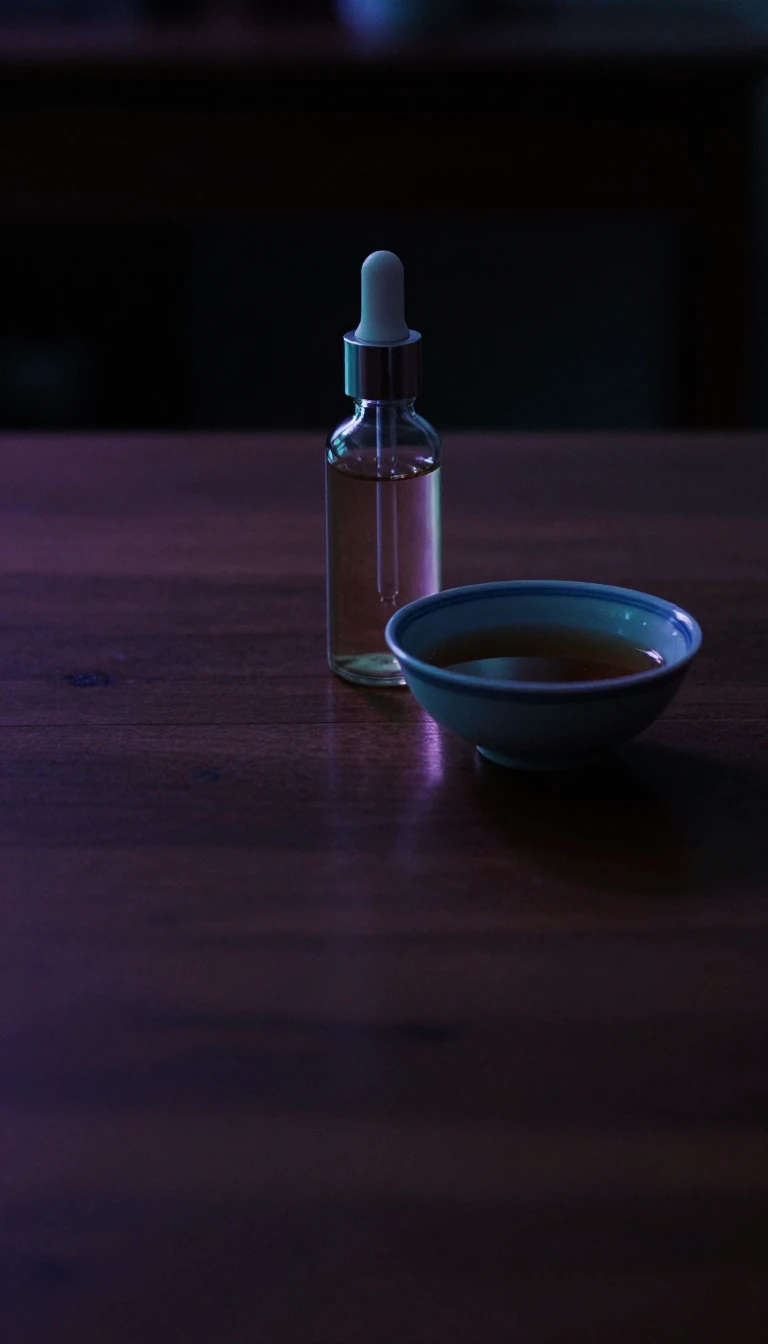
In short: Tincture of iodine is a staple of survival kits, serving as both a potent skin disinfectant and a water purifier. Yet, its efficacy relies on a delicate chemical balance. By dissolving elemental iodine in ethanol and iodide salts, it achieves a concentration that is both highly effective and surprisingly versatile.
The core of tincture of iodine is elemental iodine, which possesses only moderate solubility in water. To overcome this, the solution incorporates iodide salts—either sodium or potassium iodide—which react with the iodine to form the highly soluble triiodide anion. Ethanol acts as a secondary solvent, further stabilizing the mixture. This chemical engineering allows for the creation of standardized solutions, such as the USP 2% tincture, which contains 1.8 to 2.2 grams of elemental iodine per 100 mL.
The medical history of this solution is rooted in the early 20th century. In 1907, Italian surgeon Antonio Grossich began using it for pre-operative skin preparation. His method proved remarkably effective; a 1910 study at the University of Genoa’s Institute of Hygiene found that injuries treated with Grossich’s technique suffered only a 3% infection rate, compared to 21% using prevailing methods. By 1909, Lionel Stretton had pioneered a similar approach in the United Kingdom, eventually advocating for a weaker solution that became the global standard.
While tincture of iodine is an excellent disinfectant for bacteria and viruses, it has distinct limitations. It is ineffective against protozoan parasites like Giardia and Cryptosporidium, and it cannot reliably sanitize produce contaminated with feces. Furthermore, because elemental iodine is toxic when ingested in large quantities, the tincture is strictly for external use. However, its ability to supply iodine is so significant that it can saturate the thyroid, a property sometimes utilized to block the uptake of radioactive iodine-131 during nuclear emergencies.
It is important to distinguish the tincture from other iodine forms. Lugol's iodine, for instance, is an aqueous solution that lacks alcohol entirely. Meanwhile, for nutritional purposes, health experts prefer iodide or iodate salts over the tincture, as the latter is not a recommended source for daily iodine intake. Despite these nuances, the tincture remains a vital tool, provided one understands its chemical boundaries and the specific pathogens it can—and cannot—neutralize.
Opens the Intellect+ feed with this card first. Swipe up for the next one.
Sources
- Summary by Intellect · source: Tincture of iodine
To cite this card, link to https://intellectplus.co.uk/app/science-tincture-of-iodine.
How we source, check and correct cards: Editorial standards.
General information, not professional advice. Spotted an error? Flag the card or see corrections and complaints.
Intellect Plus is a visual educational discovery platform for exploring fascinating facts and ideas. Brain Food, Not Brain Rot. What is Intellect Plus?
Related
More in Salts and ions · More in Science · Latest · A–Z · All topics
