How a Cold War standoff over two narrow waterways reshaped global military alliances forever.
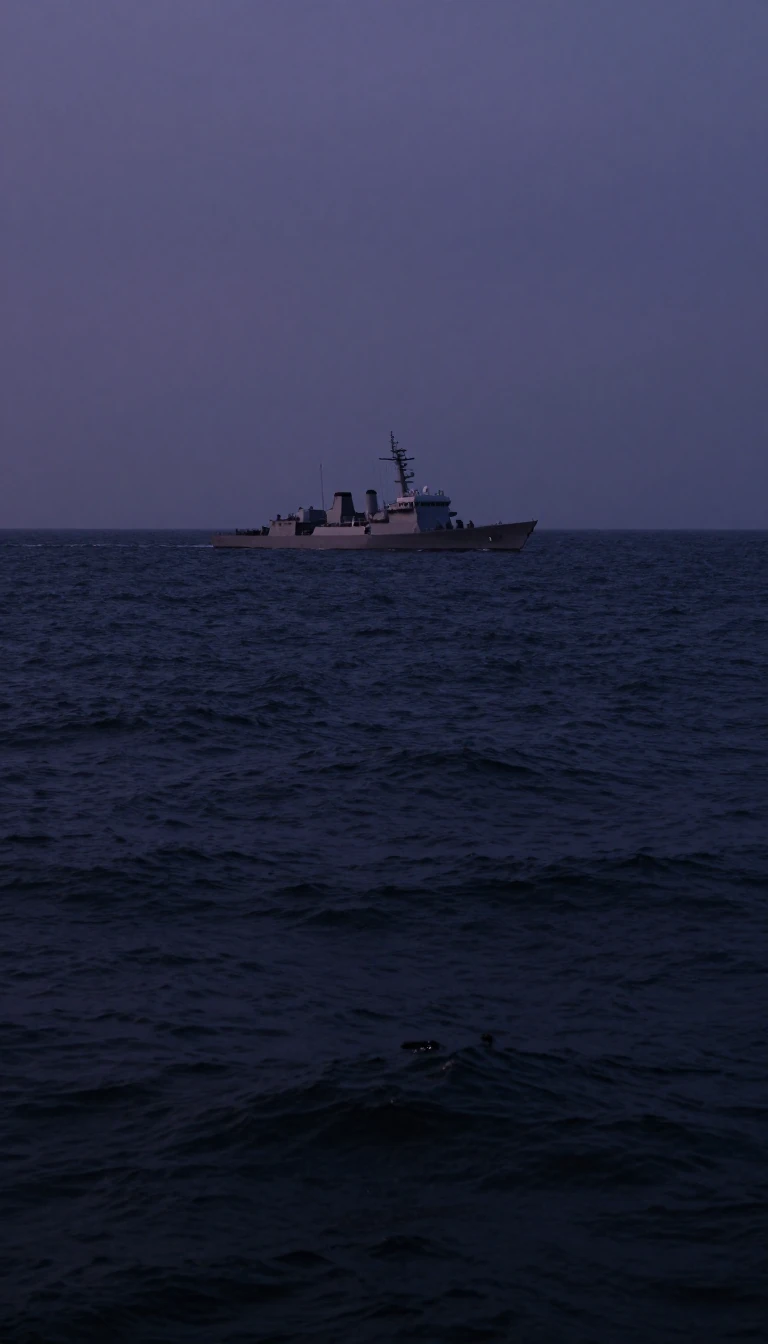
In short: After World War II, the Soviet Union pressured Turkey to share control of the Bosporus and Dardanelles. This intimidation campaign, intended to secure ice-free naval access, backfired spectacularly. Instead of yielding, Turkey turned to the United States for protection, effectively ending its neutrality and triggering the formation of NATO.
The Turkish Straits—the Bosporus and Dardanelles—have long been a strategic obsession for Russia. As the only maritime gateway connecting the Black Sea to the Mediterranean, they represent the essential link for Russian naval power and trade. Historically, this dependency fueled numerous Russo-Turkish wars. By the mid-1940s, Joseph Stalin sought to formalize this control, viewing the 1936 Montreux Convention as an obstacle to Soviet security. He pressured Turkey for joint military administration and even demanded territorial concessions along the Turkish-Georgian border, claiming lands were stolen during the Ottoman era.
The crisis reached a boiling point in 1946. The Soviet Union increased its naval presence near Turkish shores and dispatched ground troops to the Balkans, signaling a clear intent to force Turkey into the Soviet sphere. The United States, fearing that a weakened Turkey would lead to a Communist-controlled Mediterranean, intervened. President Harry S. Truman rejected the idea of a bilateral settlement, instead backing Turkey’s sovereignty. The arrival of the USS Missouri in April 1946 served as a potent symbol of American resolve, eventually leading to the Truman Doctrine and a US$100 million aid package for Turkey.
The standoff fundamentally altered the geopolitical landscape. Turkey’s refusal to buckle under Soviet pressure led it to abandon its long-standing policy of neutrality. By 1952, Turkey joined NATO, a move that permanently dashed Soviet hopes for a regional thaw. Following Stalin’s death in 1953, the Soviet government officially dropped its territorial and straits-related claims. Today, the Montreux Convention remains the governing framework for the straits, a testament to a crisis that transformed a regional dispute into a cornerstone of Cold War strategy.
Opens the Intellect+ feed with this card first. Swipe up for the next one.
Sources
- Summary by Intellect · source: Turkish Straits crisis
To cite this card, link to https://intellectplus.co.uk/app/science-turkish-straits-crisis.
How we source, check and correct cards: Editorial standards.
General information, not professional advice. Spotted an error? Flag the card or see corrections and complaints.
Intellect Plus is a visual educational discovery platform for exploring fascinating facts and ideas. Brain Food, Not Brain Rot. What is Intellect Plus?
Related
More in Physics · More in Science · Latest · A–Z · All topics
