A Victorian mansion in London hides a bizarre, gilded frieze of fifty-four literary characters.
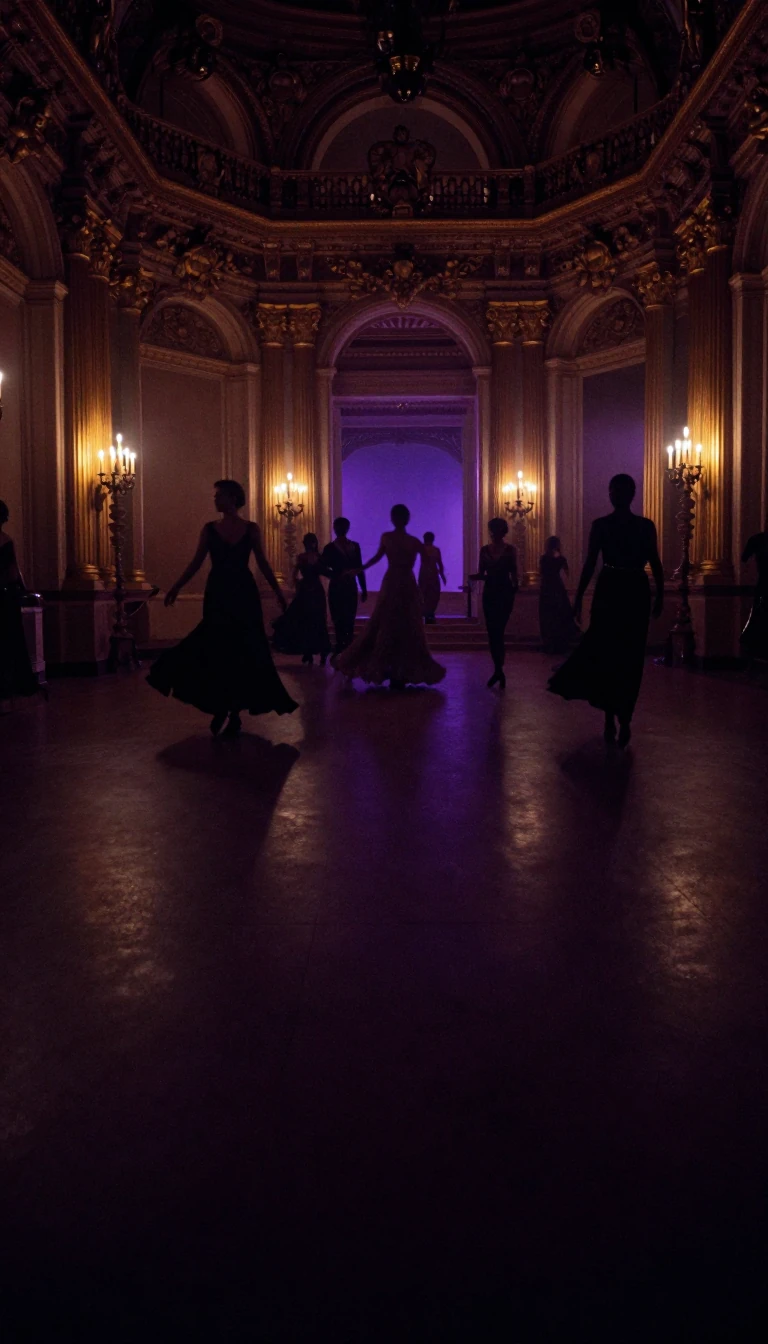
In short: Built in 1895 for William Waldorf Astor, Two Temple Place is a Neo-Tudor stronghold on the Thames. Beyond its Portland stone facade lies an opulent interior where mahogany carvings of The Three Musketeers meet a gilded frieze featuring figures from history and fiction, creating a uniquely eccentric temple to culture.
Commissioned by William Waldorf Astor and designed by John Loughborough Pearson, Two Temple Place was intended as a secure, opulent home and office for managing his vast holdings. Completed in 1895, the building reflects Astor's eclectic tastes, blending Early Elizabethan architecture with French Renaissance interiors. The structure is built entirely of Portland stone, featuring intricate exterior carvings by Nathaniel Hitch. Inside, the design reaches a level of detail that borders on the surreal, with mahogany and marble rooms adorned with unexpected motifs, including cherubs by William Silver Frith that celebrate the dawn of telecommunication.
The building's most curious features are its literary and historical references. The main staircase is guarded by seven mahogany carvings of characters from Alexandre Dumas’s The Three Musketeers, Astor's favorite novel. In the Great Hall, a gilded frieze by Nathaniel Hitch depicts 54 figures from history and fiction, ranging from Marie Antoinette to Pocahontas. Another frieze by Thomas Nicholls features American literary icons, including characters from Nathaniel Hawthorne’s The Scarlet Letter and James Fenimore Cooper’s Leatherstocking tales. These carvings are complemented by silver-gilt panels depicting Arthurian heroines, created by Sir George James Frampton.
The mansion has survived significant upheaval, including a direct hit by a German flying bomb on 24 July 1944. The blast caused severe flooding and damaged priceless artworks, leading to a full restoration between 1949 and 1951. After serving as the headquarters for various organizations, including the Society of Incorporated Accountants and Auditors and Smith & Nephew, the building was eventually acquired by The Bulldog Trust. Since 2011, it has operated as a public gallery, fulfilling a modern mission to showcase regional collections from across the United Kingdom while preserving its status as a masterpiece of Victorian craftsmanship.
Opens the Intellect+ feed with this card first. Swipe up for the next one.
Sources
- Summary by Intellect · source: Two Temple Place
To cite this card, link to https://intellectplus.co.uk/app/science-two-temple-place.
How we source, check and correct cards: Editorial standards.
General information, not professional advice. Spotted an error? Flag the card or see corrections and complaints.
Intellect Plus is a visual educational discovery platform for exploring fascinating facts and ideas. Brain Food, Not Brain Rot. What is Intellect Plus?
Related
More in Physics · More in Science · Latest · A–Z · All topics
