Ancient floor heating systems are now high-tech solutions for modern energy efficiency and comfort.
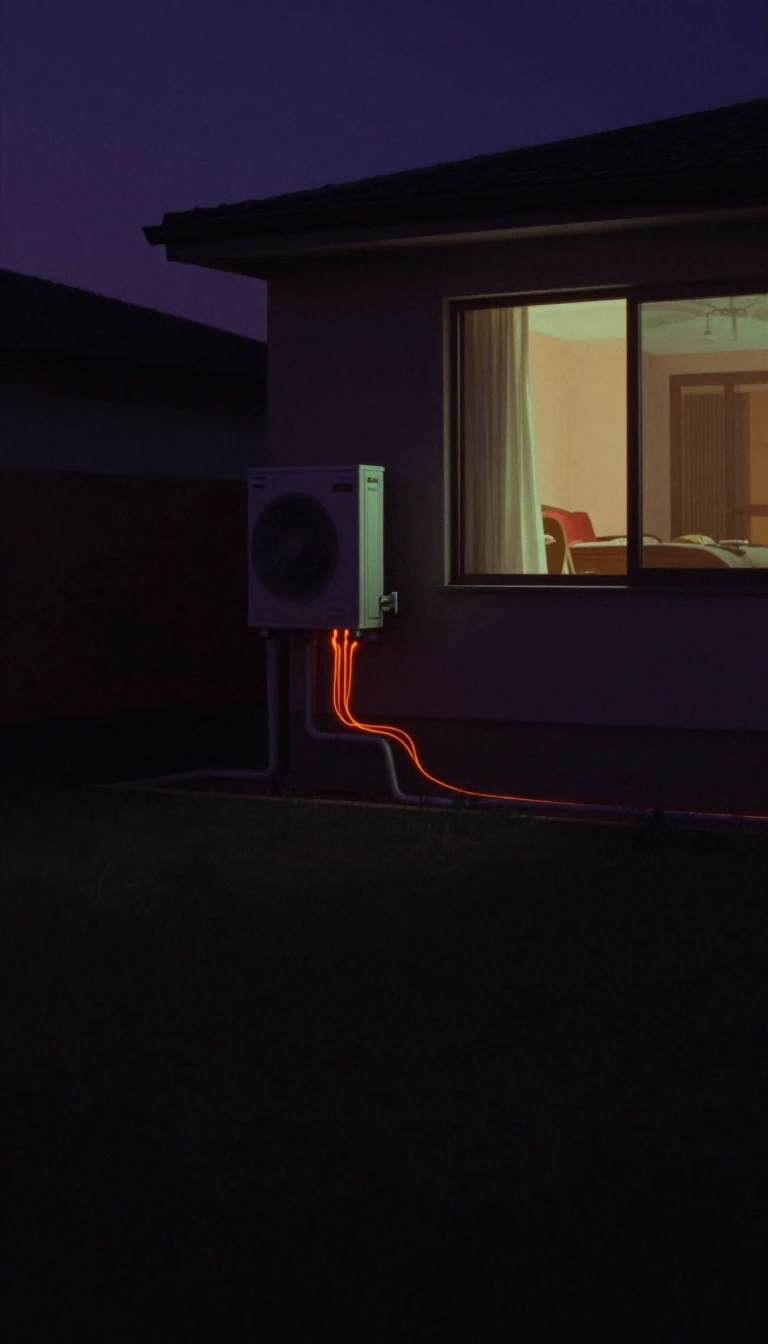
In short: Long before modern thermostats, Neolithic societies warmed their homes by channeling fire smoke through stone-lined floor trenches. Today, that concept has evolved into sophisticated hydronic and electric systems. By leveraging thermal mass and low-temperature operation, these installations offer a sustainable, invisible way to regulate indoor climates while improving air quality.
Modern underfloor heating functions through two primary methods: electric resistance elements or hydronic pipes circulating fluid. While electric systems are often simpler to install and ideal for localized floor warming, hydronic systems are better suited for whole-building climate control. Because they operate at lower water temperatures than traditional radiators, hydronic setups are exceptionally efficient when paired with heat pumps, a feature supported by research from the U.S. Department of Energy and the Fraunhofer Institute ISE.
The physics of these systems relies on a mix of conduction, convection, and radiation. Contrary to popular belief, a system is only truly 'radiant' if radiation accounts for more than half of the total heat exchange between the floor and the room. In practice, heating modes rely heavily on convection as air density shifts, whereas cooling modes—which must carefully manage humidity to prevent condensation—rely much less on convective currents. Engineers must also account for environmental variables, such as soil moisture, which can significantly alter conductive heat transfer for slab-on-grade designs.
Beyond comfort, these systems offer distinct health and safety advantages. By allowing for masonry flooring like tile or concrete, they help reduce volatile organic compound emissions and create environments less hospitable to allergens like mold and dust mites. Furthermore, because the heating elements are embedded or hidden, they eliminate the burn hazards and trip risks associated with traditional radiators. While early mid-20th-century installations faced material failures, modern cross-linked polyethylene (PEX) piping has proven highly reliable, provided that installation standards and pressure testing protocols are strictly followed.
Opens the Intellect+ feed with this card first. Swipe up for the next one.
Sources
- Summary by Intellect · source: Underfloor heating
To cite this card, link to https://intellectplus.co.uk/app/science-underfloor-heating.
How we source, check and correct cards: Editorial standards.
General information, not professional advice. Spotted an error? Flag the card or see corrections and complaints.
Intellect Plus is a visual educational discovery platform for exploring fascinating facts and ideas. Brain Food, Not Brain Rot. What is Intellect Plus?
Related
More in Mathematicians · More in Science · Latest · A–Z · All topics
