Why great art forces us to see the world as if for the first time
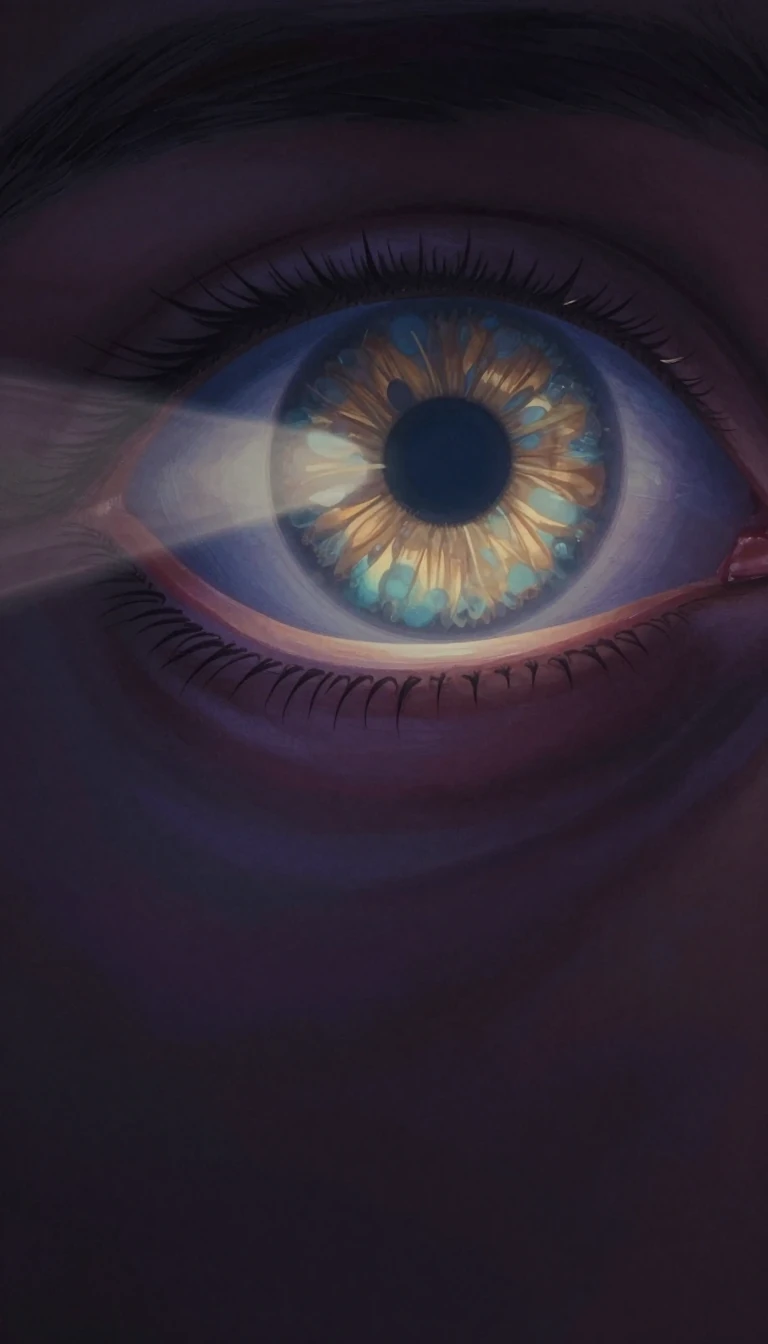
In short: Viktor Shklovsky, a titan of Russian Formalism, argued that the purpose of art is not to mirror reality, but to disrupt our automatic habits of perception. By making the familiar strange, art forces us to slow down and truly experience the world again, turning recognition into genuine, laborious sensation.
Viktor Shklovsky, born in 1893, was a central figure in the Russian Formalist movement. In 1914, he co-founded OPOYAZ, the Society for the Study of Poetic Language, which championed the idea that literature’s value lies in its formal construction rather than its social message. Shklovsky’s most enduring contribution is the concept of ostranenie, or 'defamiliarization.' In his seminal 1925 work, 'On the Theory of Prose,' he argued that as we encounter objects repeatedly, our perception of them becomes automatic and habitual. We stop 'seeing' them and merely 'recognize' them.
To counter this, Shklovsky proposed that art acts as a device to 'make the stone feel stony.' By complicating form and presenting mundane experiences in unusual ways, art forces the reader to engage in a 'laborious' perceptual process. This deliberate slowing down of reading allows the audience to experience the process of creativity itself. Beyond this, he introduced the distinction between fabula—the chronological sequence of events—and syuzhet, the way those events are structured within the plot. These tools were designed to revitalize our connection to the world, stripping away the dullness of cliché.
Shklovsky’s life was as turbulent as his theories. After opposing the Bolsheviks during the Civil War, he fled to Berlin in 1922, only to return to the Soviet Union a year later. Under the pressure of Stalinist authorities, he eventually renounced his Formalist roots in his 1930 essay, 'Monument to a Scholarly Error,' and attempted to align his work with Socialist Realism. Despite these political constraints, his influence persisted, shaping the work of thinkers like Tzvetan Todorov and leaving a lasting mark on twentieth-century literary theory through his voluminous studies of writers like Tolstoy and Dostoyevsky.
Opens the Intellect+ feed with this card first. Swipe up for the next one.
Sources
- Summary by Intellect · source: Viktor Shklovsky | Biography & Facts | Britannica
- Also: Viktor Shklovsky
To cite this card, link to https://intellectplus.co.uk/app/science-viktor-shklovsky.
How we source, check and correct cards: Editorial standards.
General information, not professional advice. Spotted an error? Flag the card or see corrections and complaints.
Intellect Plus is a visual educational discovery platform for exploring fascinating facts and ideas. Brain Food, Not Brain Rot. What is Intellect Plus?
Related
More in Social scientists · More in Science · Latest · A–Z · All topics
