Violet is a singular frequency of light, while purple is a complex human perception.
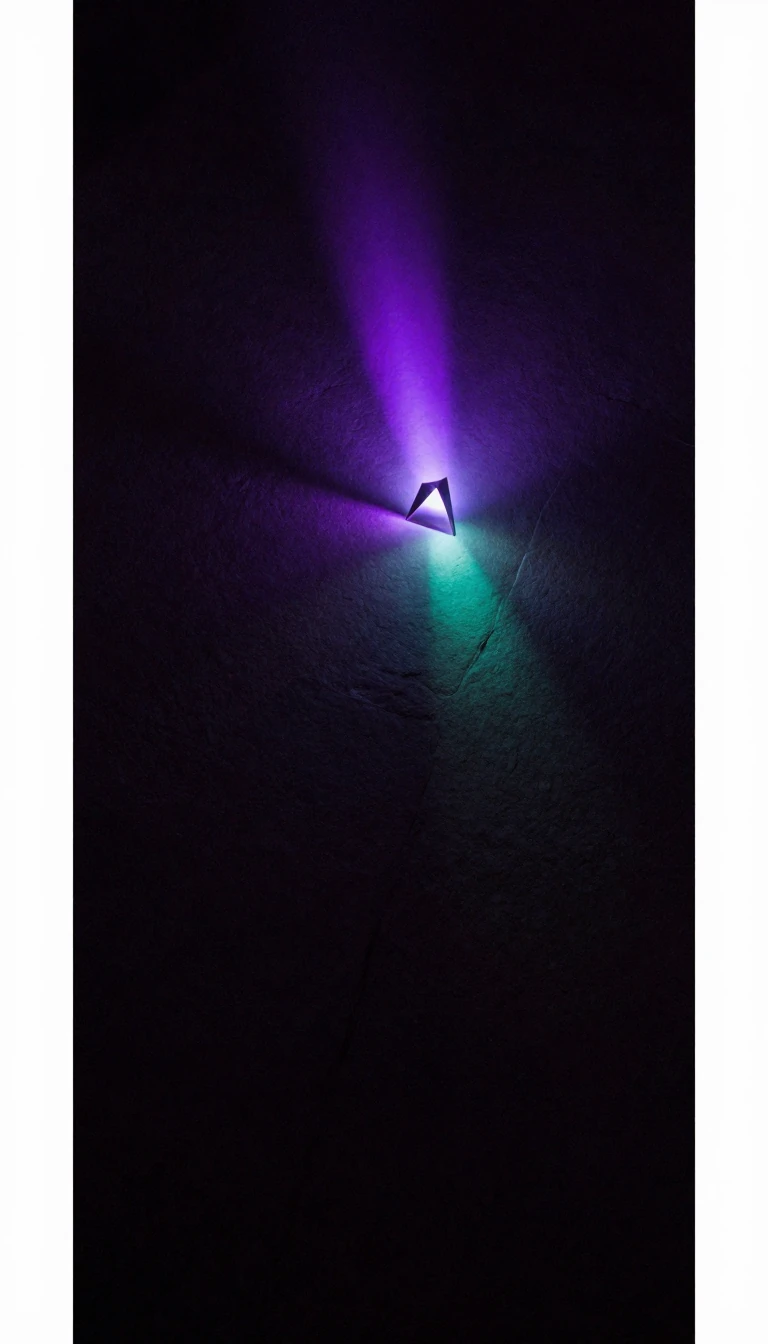
In short: Violet is not just a shade of purple. In physics, it is a pure, spectral color at the edge of human vision. Purple, by contrast, is a mental construct—a mixture of light frequencies that our brains interpret as a bridge between the ends of the visible rainbow.
Violet occupies the shortest wavelengths of the visible spectrum, typically measured between 380 and 435 nanometers. Because our S-cones, which detect short wavelengths, contribute little to our perception of brightness, violet often appears dark to the human eye. Interestingly, while spectral violet sits at one extreme of the rainbow, it can appear slightly reddish to typical observers. This phenomenon is explained by the opponent process hypothesis, which suggests that the S-cone type contributes a red signal to the red-versus-green channel, which is otherwise balanced by M-cone activity at longer wavelengths.
The distinction between violet and purple is often blurred in common language, yet they are fundamentally different. Violet is a monochromatic light, whereas purple is a composite sensation created by combining red, blue, and violet light. Because computer screens and televisions cannot emit true spectral violet, they approximate the color by mixing blue light at high intensity with lower-intensity red light. This technical limitation highlights how our devices simulate a color that exists as a discrete physical reality in nature.
Historically, the rarity of violet and purple dyes—often derived from sea snails like the murex—cemented their status as symbols of royalty and extravagance. From the togas of Roman emperors to the robes of Byzantine rulers, the color became synonymous with power. By the 19th century, the invention of synthetic dyes like mauveine transformed violet from an elite luxury into an accessible commodity. Today, while violet remains associated with vanity and individualism in secular surveys, it retains deep liturgical significance in the Catholic Church, representing penance and preparation during Advent and Lent.
Opens the Intellect+ feed with this card first. Swipe up for the next one.
Sources
- Summary by Intellect · source: Violet (color)
To cite this card, link to https://intellectplus.co.uk/app/science-violet-color.
How we source, check and correct cards: Editorial standards.
General information, not professional advice. Spotted an error? Flag the card or see corrections and complaints.
Intellect Plus is a visual educational discovery platform for exploring fascinating facts and ideas. Brain Food, Not Brain Rot. What is Intellect Plus?
Related
More in Color · More in Science · Latest · A–Z · All topics
