Why the 2001 UK General Election became known as the quiet landslide
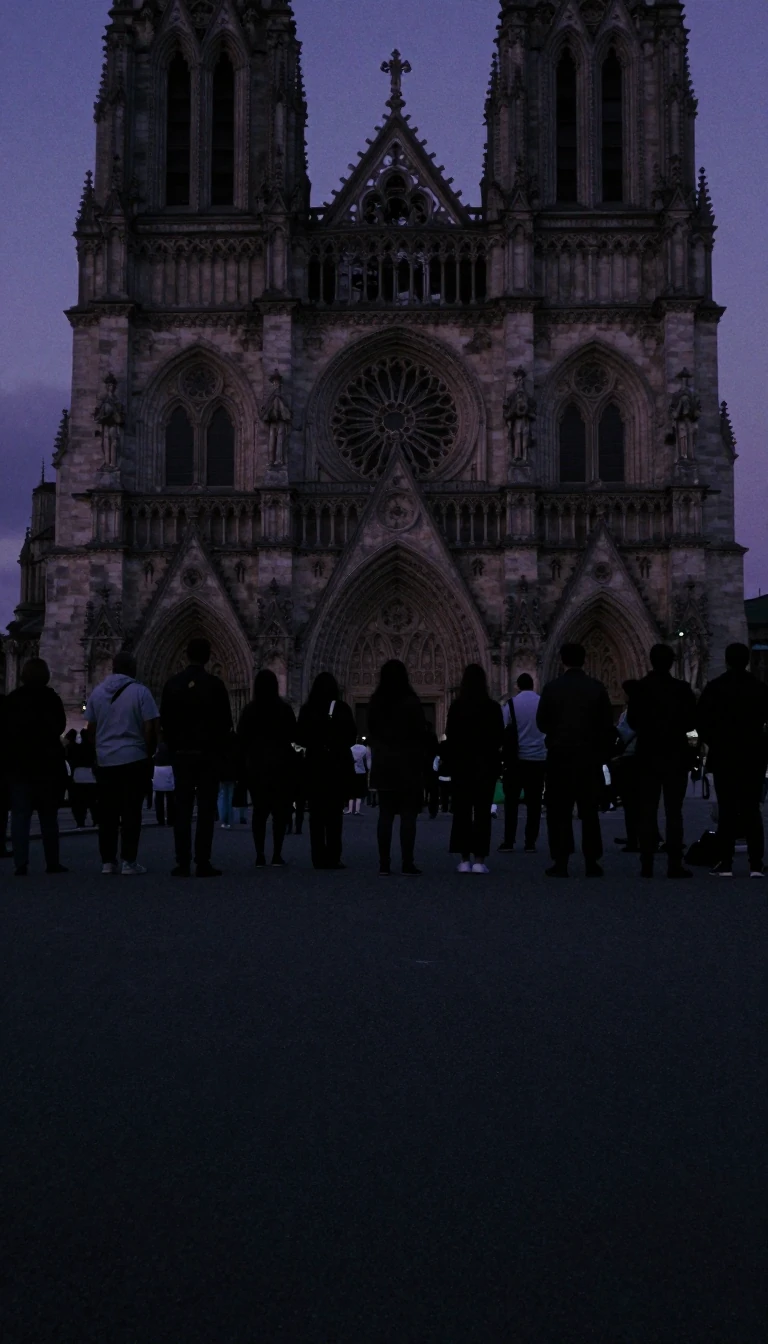
In short: The 2001 general election was a repeat of 1997, handing Tony Blair a second consecutive landslide victory. Yet, the atmosphere was defined by profound voter apathy, with turnout plummeting below 60 percent for the first time since 1918. It was a contest where the status quo felt entirely unassailable.
The 2001 election was held on 7 June, delayed from an expected May date due to a foot-and-mouth outbreak. Prime Minister Tony Blair led the Labour Party to a second landslide, securing a 166-seat majority. While Labour retained 412 seats, the result was dubbed the quiet landslide because, outside of Northern Ireland, 620 out of 641 seats in Great Britain returned the same party as in 1997. The victory was underpinned by a strong economy and declining unemployment, which neutralized fears that a Labour government would jeopardize financial stability.
In contrast, the Conservative Party under William Hague struggled to recover from its 1997 defeat. Divided over Europe and drifting to the right, the party centered its campaign on the Eurozone and the 'Save The Pound' slogan, which failed to resonate with voters. Hague’s campaign was further hampered by backfiring publicity stunts and a policy gaffe regarding public spending. Following the defeat, Hague resigned, becoming the first Conservative leader in the House of Commons in nearly eighty years who never served as prime minister.
The election was marked by a dramatic decline in engagement. Voter turnout fell to 59.4 percent, a sharp drop from 71.6 percent in 1997. All three major parties saw their total vote counts decrease, with Labour losing nearly three million votes compared to the previous election. This apathy was widely attributed to a public sense that the outcome was inevitable. The election also saw the first appearance of party logos on ballot papers, a modernizing touch in a contest that otherwise felt like a static reflection of the political landscape established four years prior.
Notable shifts occurred in Northern Ireland, where unionist and nationalist voters polarized toward more hardline parties, such as the Democratic Unionist Party and Sinn Féin. Meanwhile, the Liberal Democrats, led by Charles Kennedy, achieved a net gain of six seats. Despite the overwhelming Labour victory, the election served as a gateway for future leaders, with David Cameron, Boris Johnson, and Andy Burnham all entering Parliament for the first time.
Opens the Intellect+ feed with this card first. Swipe up for the next one.
Sources
- Summary by Intellect · source: 2001 United Kingdom general election
To cite this card, link to https://intellectplus.co.uk/app/society-2001-united-kingdom-general-election.
How we source, check and correct cards: Editorial standards.
General information, not professional advice. Spotted an error? Flag the card or see corrections and complaints.
Intellect Plus is a visual educational discovery platform for exploring fascinating facts and ideas. Brain Food, Not Brain Rot. What is Intellect Plus?
Related
More in UK & Ireland: life · More in Society · Latest · A–Z · All topics
