The British Shorthair: From Ancient Island Hunter to Global Pedigree Icon
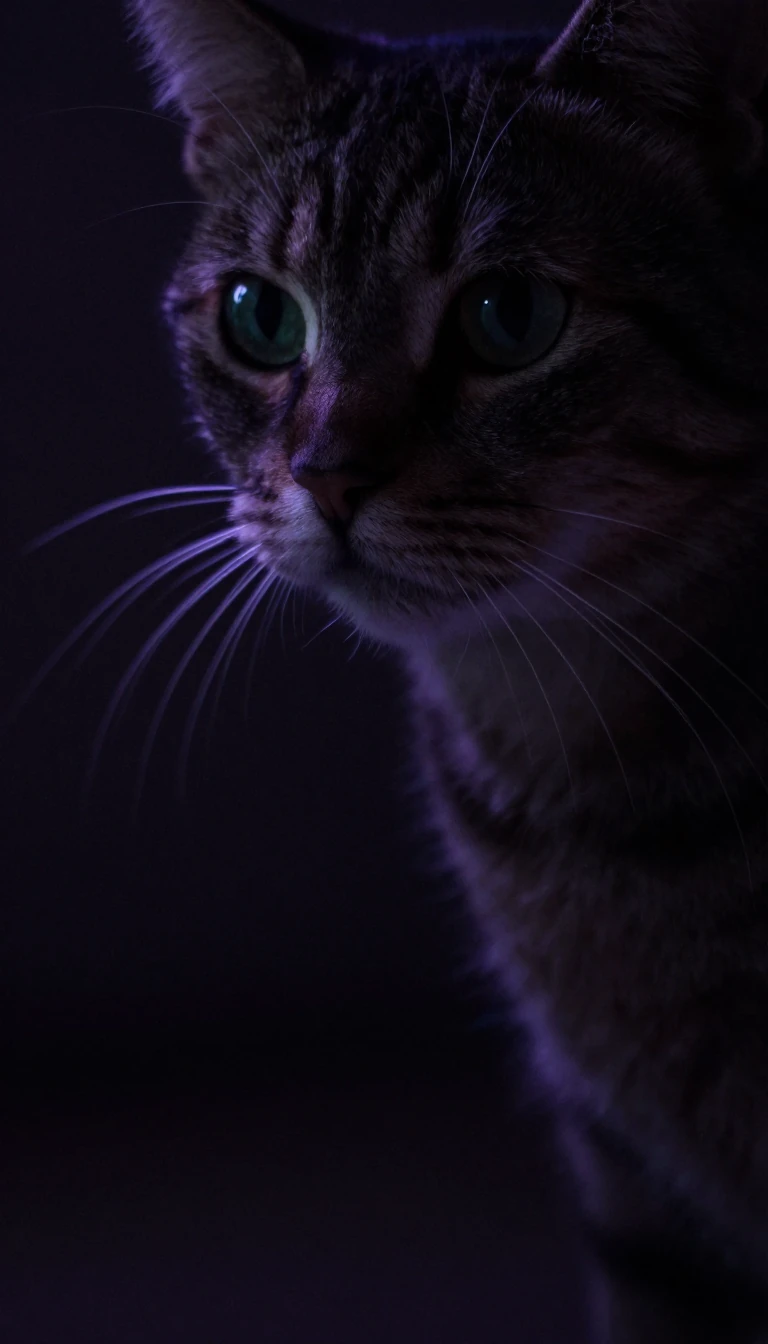
In short: Long before they became the plush, copper-eyed stars of cat shows, British Shorthairs were rugged survivors on the British Isles. This ancient landrace, once prized for its hunting prowess, has survived near-extinction through careful crossbreeding, eventually evolving into the calm, robust companion that dominates modern feline registries today.
The origins of the British Shorthair remain somewhat mysterious. While housecats likely arrived in the British Isles before the Roman invasion, these felines interbred with local wildcats to develop a robust, thick-coated physique suited for island life. By the late 19th century, breeders like Harrison Weir began standardizing the type, showcasing them at the inaugural 1871 Crystal Palace cat show. The breed’s popularity surged, though it faced significant challenges in the early 20th century as long-haired imports like Persians captured public interest.
To save the breed from near-extinction during the World Wars, breeders introduced Persian, Russian Blue, and Chartreux bloodlines. This strategic mixing helped preserve the breed's standard, though it also led to the development of the British Longhair. By the late 1970s, the distinct British Shorthair had regained its status, earning recognition from major global registries like the CFA, FIFe, and TICA. Today, it is the most popular pedigreed cat in the UK, accounting for about half of all kittens registered with the Governing Council of the Cat Fancy annually.
Beyond their iconic appearance—defined by a broad, circular head and dense, crisp coat—these cats possess a notably calm temperament. However, the breed faces specific health considerations. Studies indicate a higher prevalence of hypertrophic cardiomyopathy, particularly in males, and a potential risk for polycystic kidney disease. Conversely, they appear remarkably resilient against other conditions; a large English study found them less than half as likely to develop diabetes mellitus compared to the general cat population. With a median lifespan often exceeding 12.5 years according to Swedish insurance data, they remain a enduring favorite for pet owners worldwide.
Opens the Intellect+ feed with this card first. Swipe up for the next one.
Sources
- Summary by Intellect · source: British Shorthair
To cite this card, link to https://intellectplus.co.uk/app/society-british-shorthair.
How we source, check and correct cards: Editorial standards.
General information, not professional advice. Spotted an error? Flag the card or see corrections and complaints.
Intellect Plus is a visual educational discovery platform for exploring fascinating facts and ideas. Brain Food, Not Brain Rot. What is Intellect Plus?
Related
More in Family, kinship and interpersonal relationships · More in Society · Latest · A–Z · All topics
