From shipboard rat-catchers to pedigreed companions, the American Shorthair has a storied past.
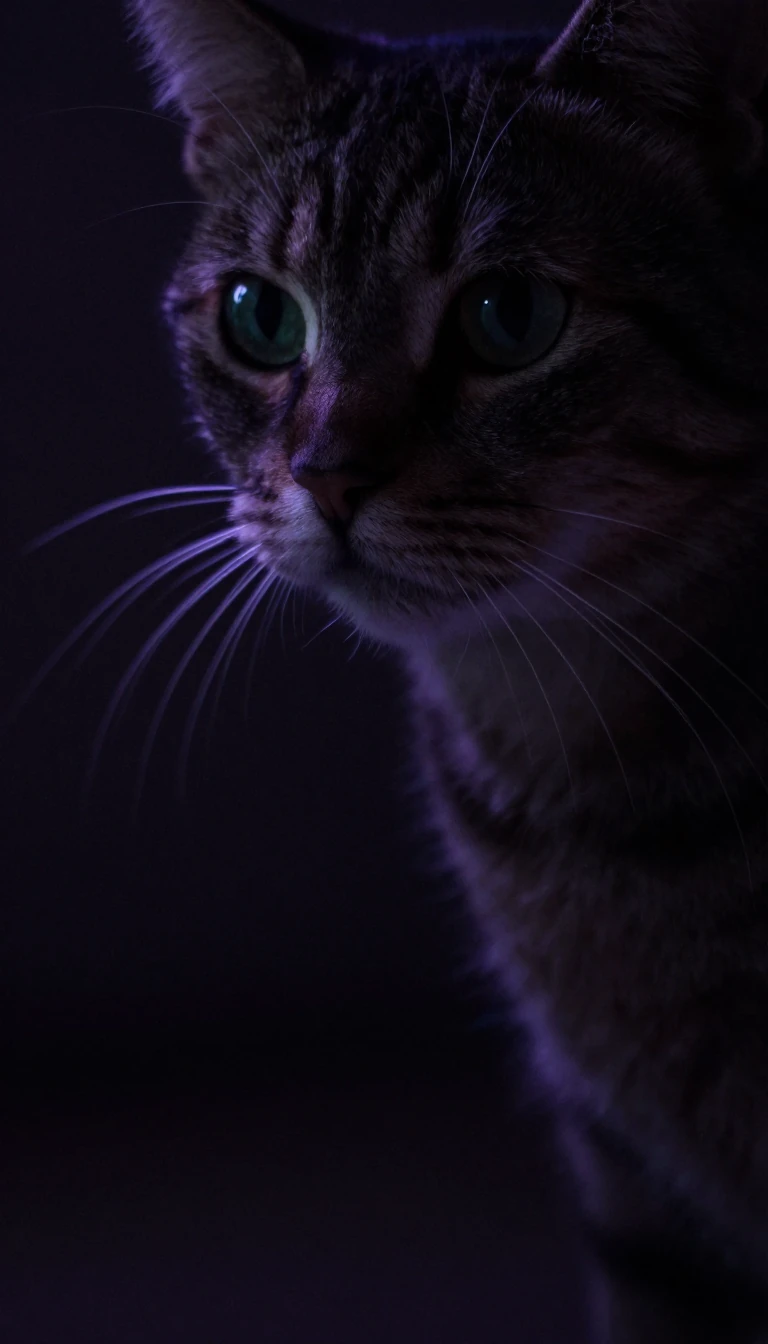
In short: The American Shorthair began as a humble working cat, brought to North America by early settlers to guard food supplies from rodents. Today, this breed is a recognized pedigree, distinct from the random-bred cats of the continent, yet it retains the rugged, muscular build of its seafaring ancestors.
The origins of the American Shorthair are rooted in the survival needs of early European settlers. Cats were essential companions on voyages, including the Mayflower, where they served as ship's cats to protect cargo from mice and rats. Once in the New World, these cats interbred and adapted to the local climate, eventually becoming known as working cats. By the early 20th century, a formal selective breeding program began to refine their best qualities, leading to their registration as one of the first five breeds by the Cat Fanciers' Association in 1906.
Originally called the Domestic Shorthair, the breed was officially renamed the American Shorthair in 1966. This change was intended to emphasize its all-American heritage and distinguish it from non-pedigreed domestic short-haired cats that might share a similar appearance. Today, the breed is defined by a strict conformation standard maintained by organizations like The International Cat Association and the Cat Fanciers' Association. It is a medium- to large-sized cat, with males typically weighing between 5 and 7 kg, and females between 2.5 and 5.5 kg.
The breed is remarkably diverse, appearing in over eighty different colors and patterns, from classic tabby to solid black. However, certain traits, such as the point-restricted patterns found in Siamese cats, are disqualifying in show settings. While generally healthy, the breed is not immune to genetic issues; a Japanese study identified the PKD1 mutation—linked to polycystic kidney disease—in 47% of tested American Shorthairs suspected of kidney problems. Conversely, research in the United States suggests they have lower odds of developing urate uroliths compared to mixed-breed cats, highlighting the complex health profile of this historic breed.
Opens the Intellect+ feed with this card first. Swipe up for the next one.
Sources
- Summary by Intellect · source: American Shorthair
To cite this card, link to https://intellectplus.co.uk/app/nature-american-shorthair.
How we source, check and correct cards: Editorial standards.
General information, not professional advice. Spotted an error? Flag the card or see corrections and complaints.
Intellect Plus is a visual educational discovery platform for exploring fascinating facts and ideas. Brain Food, Not Brain Rot. What is Intellect Plus?
Related
More in Animal breeds and hybrids · More in Nature · Latest · A–Z · All topics
