The desk is a relatively modern invention that evolved alongside our changing relationship with paper.
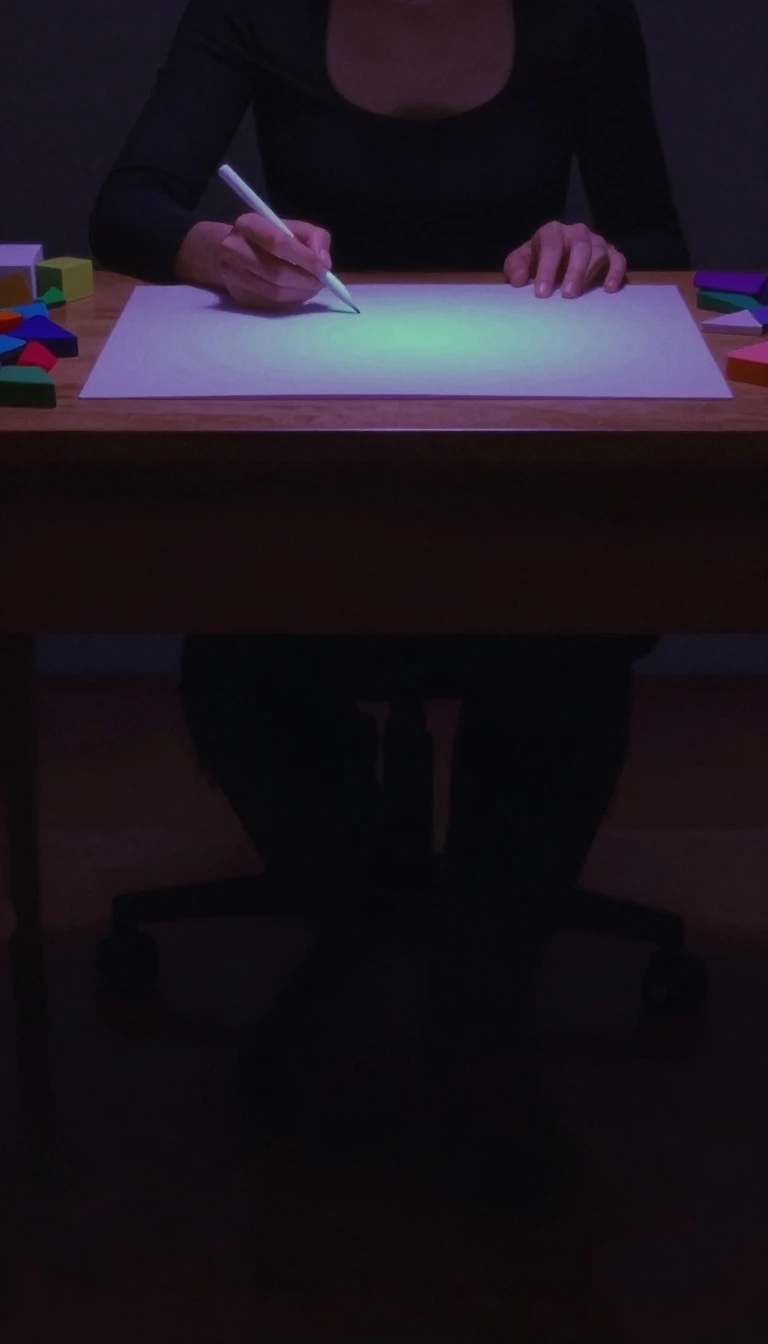
In short: Desks were not used in classical antiquity, appearing only in medieval times to support heavy, hand-copied manuscripts. Since then, the furniture has mirrored our shifting work habits, from the rise of steam-powered paper production and the typewriter to the modern, screen-filled, and often cramped reality of the digital office.
The etymology of the desk traces back to the mid-14th century, derived from the Modern Latin 'desca', meaning a table for writing. Before the 15th-century invention of the movable type printing press, desks were massive, sturdy structures designed to hold heavy, hand-copied volumes. As woodworking precision improved during the Renaissance, desks became slimmer and more specialized, often featuring specific compartments for ink pots, blotters, and powder trays.
The Industrial Revolution triggered the first major shift in desk manufacturing. Steam-driven machinery made paper cheap and abundant, leading to a surge in white-collar workers and the mass production of office furniture. By the late 19th century, the introduction of the typewriter necessitated specialized 'typewriter desks' built to specific heights. This era also saw the rise of the rolltop desk, a clever solution for locking away the growing volume of daily paperwork without the need for immediate filing.
The 20th century brought further transformations. Following the Second World War, the spread of photocopying and rising office rents led to smaller work surfaces and the rise of modular, mass-produced furniture. The late 20th century introduced the personal computer, which initially required bulky 'knee hole' credenzas and 'U-shape' suites. While the dream of a 'paperless office' never fully materialized, the transition from CRT monitors to flat-panel LCDs eventually reclaimed significant desktop space, allowing for more flexible, ergonomic arrangements.
Today, the desk remains a central fixture of both professional and domestic life, though its form continues to adapt. From the iconic Resolute desk in the Oval Office—a gift to President Rutherford B. Hayes in 1880—to the space-saving cubicles of the 1990s, the desk reflects the specific technological and spatial constraints of its time. Whether it is a portable writing desk like the one made for Henry VIII in 1525 or a modern loft-bed desk for a student, the desk remains a testament to our enduring need for a dedicated workspace.
Opens the Intellect+ feed with this card first. Swipe up for the next one.
Sources
- Summary by Intellect · source: Desk
To cite this card, link to https://intellectplus.co.uk/app/society-desk.
How we source, check and correct cards: Editorial standards.
General information, not professional advice. Spotted an error? Flag the card or see corrections and complaints.
Intellect Plus is a visual educational discovery platform for exploring fascinating facts and ideas. Brain Food, Not Brain Rot. What is Intellect Plus?
Related
More in Household items · More in Society · Latest · A–Z · All topics
