Beyond blocking light, curtains have served as cooling systems and even military-inspired technology.
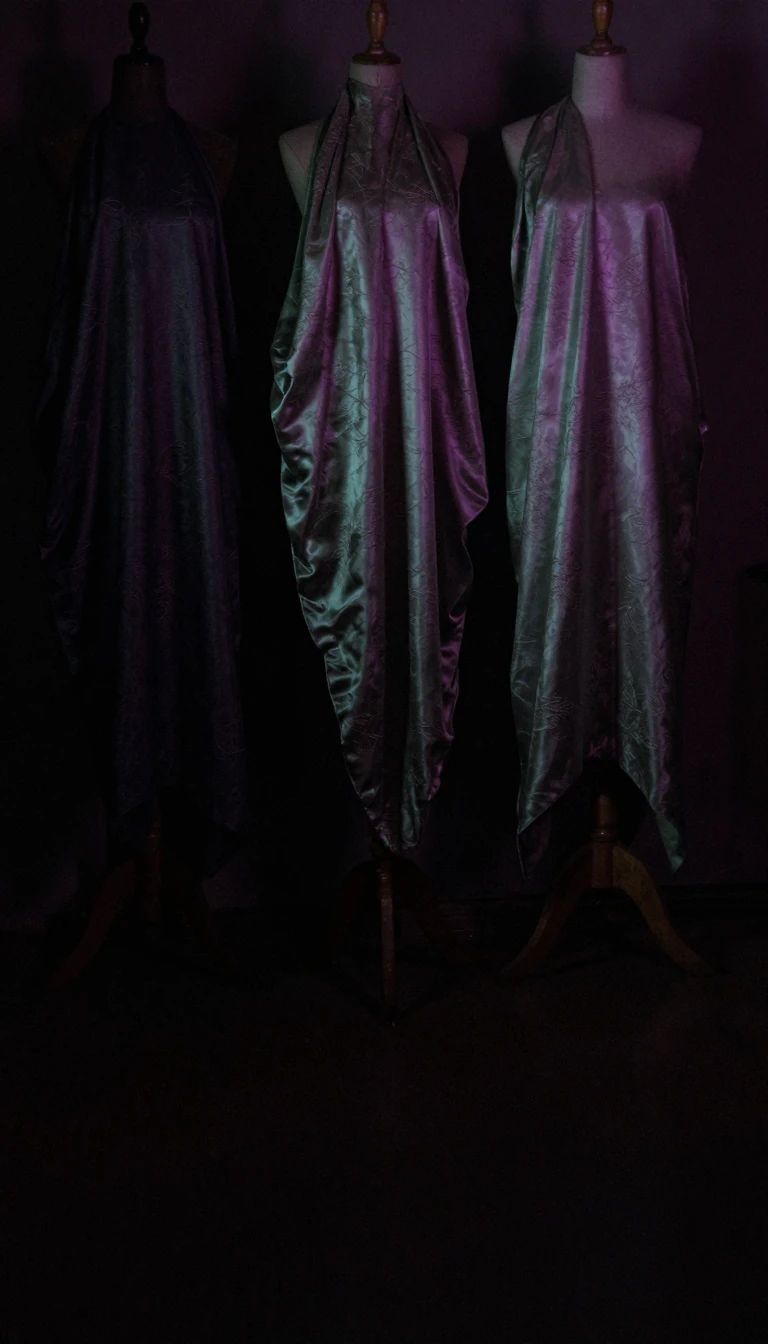
In short: Curtains are far more than simple window decor. From ancient room dividers and royal veils to eco-friendly cooling screens and pleats derived from ammunition tape, these fabrics have evolved from basic protection against the elements into sophisticated tools for thermal management, privacy, and theatrical staging throughout human history.
The history of the curtain is a study in both utility and status. In classical antiquity, portières functioned as room dividers, while medieval English homes utilized leather panels and later woven wool to manage cold drafts. By the Elizabethan and Jacobean periods, the introduction of imported Italian Renaissance fabrics like velvet and damask transformed curtains into symbols of luxury. Even the Fatimid Caliphate employed a specialized curtain, the sitr, to conceal the caliph until a designated servant revealed him to his audience.
Beyond aesthetics, curtains have functioned as primitive climate control. In the Indian subcontinent, khus curtains made from vetiver grass were used to cool rooms through evaporation; when sprayed with water, the breeze passing through the screen lowered indoor temperatures. This system was reportedly devised by the Mughal emperor Akbar. In modern times, the engineering behind light control has become equally precise. Coated fabrics use a liquefied rubber polymer, applied via heated rollers, to achieve varying levels of light absorption. A 3-pass-coated fabric can block 100% of direct light, effectively creating a blackout environment.
The manufacturing of these items often draws from unexpected origins. The pencil pleat curtain, for example, relies on 'rufflette tape' to gather fabric into tight, pencil-like folds. This tape was originally developed from the design used to hold ammunition for semi-automatic machine guns. Whether they are sheer nets providing daytime privacy or heavy, lined drapes serving as acoustic and thermal dampeners, curtains remain a critical, if often overlooked, intersection of architectural necessity and human ingenuity.
Opens the Intellect+ feed with this card first. Swipe up for the next one.
Sources
- Summary by Intellect · source: Curtain
To cite this card, link to https://intellectplus.co.uk/app/society-curtain.
How we source, check and correct cards: Editorial standards.
General information, not professional advice. Spotted an error? Flag the card or see corrections and complaints.
Intellect Plus is a visual educational discovery platform for exploring fascinating facts and ideas. Brain Food, Not Brain Rot. What is Intellect Plus?
Related
More in Household items · More in Society · Latest · A–Z · All topics
