Why did a 19th-century chocolate cake earn such a wicked reputation?
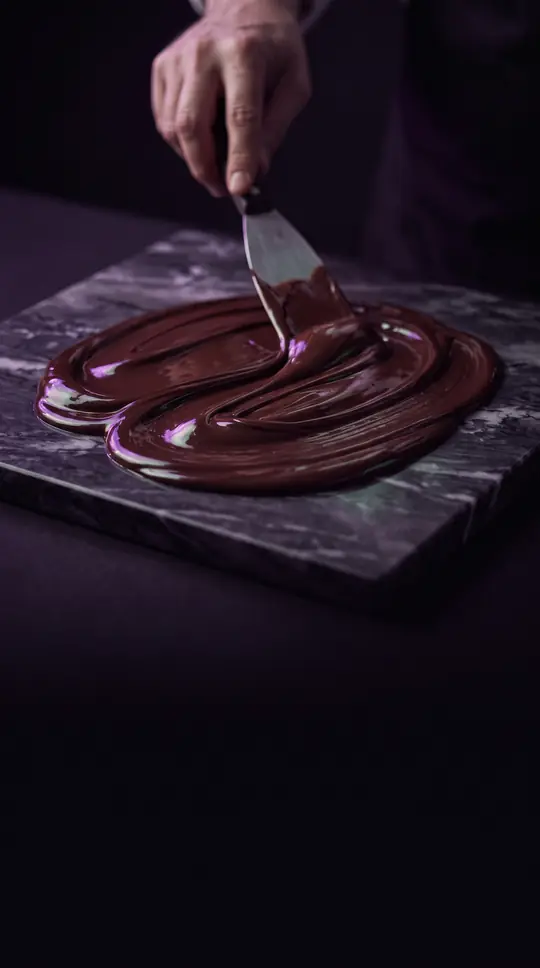
In short: Emerging in the late 1800s, devil's food cake was the dark, intense counterpart to the airy angel food cake. While recipes vary wildly, this mahogany-colored treat relies on high cocoa content and baking soda to achieve its signature flavor, eventually inspiring everything from commercial snack cakes to urban legends.
The origins of devil's food cake are tied to the late 19th-century rise of chocolate in American baking, fueled by improved cocoa processing and global supply chains. While early versions often used boiled chocolate and milk, the name likely served as a playful contrast to the popular angel food cake. Some food historians also suggest the 'deviled' moniker was borrowed from culinary terminology used to describe rich, dark, or heavily spiced dishes.
Technically, the cake is defined by its intensity. A 1914 commercial manual illustrated this distinction, requiring ten ounces of cocoa for a devil's food cake compared to only three ounces for a standard chocolate cake of similar size. Modern versions have evolved into a type of chiffon cake, utilizing oil and beaten eggs rather than the butter-heavy recipes of the past. The addition of baking soda is crucial; it reacts with acidic natural cocoa to produce a reddish mahogany hue, though excessive amounts can leave a distinct aftertaste.
The cake's cultural footprint is surprisingly deep. By the 1920s, it had spawned commercial icons like Hostess CupCakes and the Devil Dog. Mid-century popularity was further bolstered by a persistent urban legend involving the Waldorf Astoria New York, where home bakers believed they had been charged an exorbitant fee for a secret recipe. This myth prompted a wave of community cookbook contributions that often conflated devil's food with red velvet cake. Even in the 1990s, the flavor remained a commercial powerhouse, with SnackWell's devil's food cookies accounting for a third of the brand's sales by 1995.
Today, the term is used broadly, sometimes interchangeably with any chocolate cake. However, the true devil's food remains distinct for its moist, light texture and high chocolate proportion. Whether served with traditional boiled icing or modern chocolate frosting, it remains a staple of American bakeries, proving that a name born from a 19th-century marketing contrast could sustain a century of culinary evolution.
Opens the Intellect+ feed with this card first. Swipe up for the next one.
Sources
- Summary by Intellect · source: Devil's food cake
To cite this card, link to https://intellectplus.co.uk/app/society-devil-s-food-cake.
How we source, check and correct cards: Editorial standards.
General information, not professional advice. Spotted an error? Flag the card or see corrections and complaints.
Intellect Plus is a visual educational discovery platform for exploring fascinating facts and ideas. Brain Food, Not Brain Rot. What is Intellect Plus?
Related
More in Household items · More in Society · Latest · A–Z · All topics
