Why did the Inca emperor Pachacuti transform a town into a royal estate?
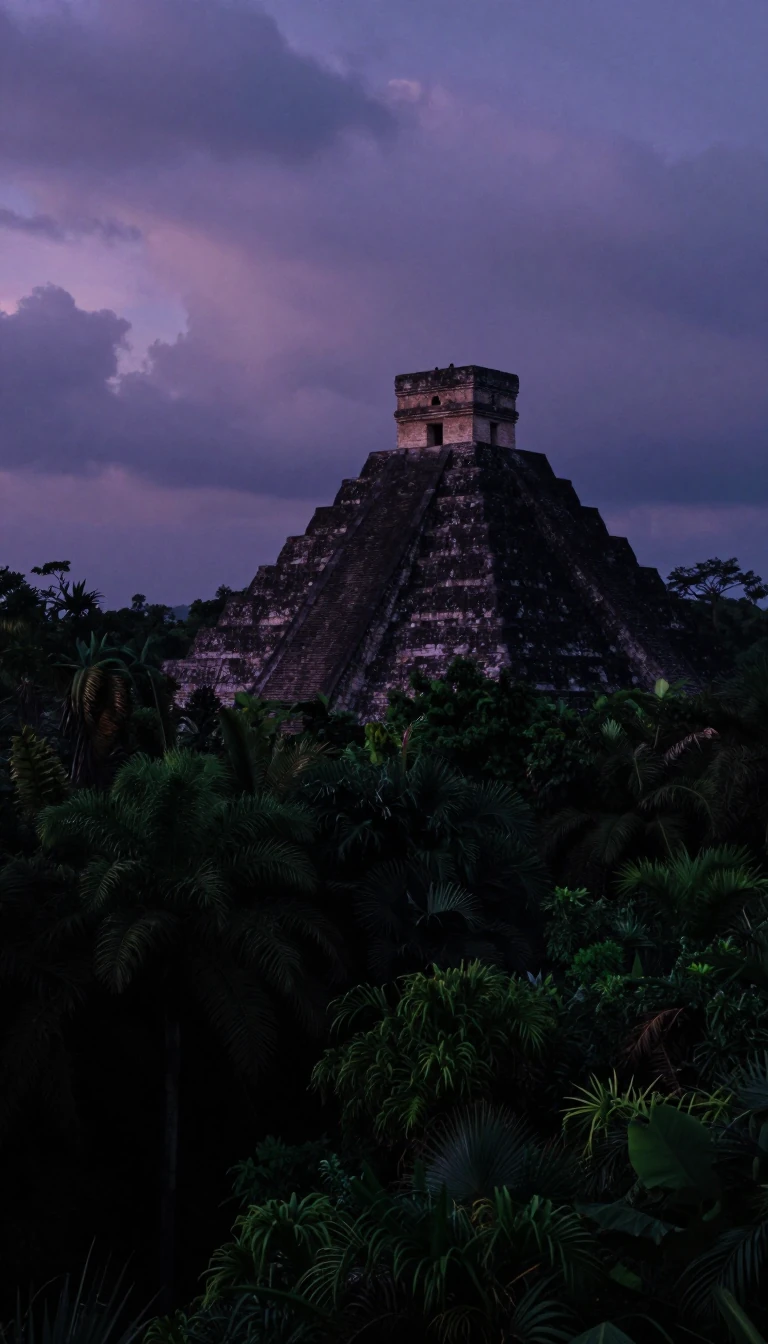
In short: Ollantaytambo was more than a fortress; it was a sophisticated royal estate built by Emperor Pachacuti in the mid-15th century. Featuring advanced irrigation, high-prestige terracing, and a planned urban layout, the site served as both a luxurious retreat for nobility and a strategic stronghold during the Spanish conquest of Peru.
In the mid-15th century, Emperor Pachacuti conquered the existing town of Ollantaytambo, razing it to incorporate the region into his personal royal estate. He redesigned the settlement with an orthogonal grid, featuring a large central plaza and standardized residential blocks known as kanchas. The site was not merely a residence; it functioned as a hub for the Inca nobility, while the surrounding Urubamba Valley was transformed through extensive irrigation and high-prestige stone terracing. These andenes allowed for agriculture in challenging terrain and created microclimates, such as the sunken Callejón terraces, which were 2 to 3 °C warmer than the surrounding ground, enabling the cultivation of crops from lower altitudes.
The site's most iconic feature, the Temple Hill, is often misidentified as a fortress, though its primary purpose was religious. It houses the Sun Temple and the Wall of the Six Monoliths, both of which remained unfinished at the time of the site's abandonment. The presence of abandoned megaliths, or 'piedras cansadas', along transport routes suggests that a major remodeling effort was underway when construction suddenly ceased. Historians debate the cause of this halt, with theories ranging from the war of succession between Huáscar and Atahualpa to the disruption caused by the Spanish conquest.
During the Spanish conquest, Ollantaytambo gained military significance as a temporary capital for Manco Inca. In 1537, he successfully defended the town at the Battle of Ollantaytambo by flooding the plain of Mascabamba and utilizing a series of defensive terraces and fortifications. Despite this victory, Manco Inca eventually deemed the position untenable and retreated to Vilcabamba. By 1540, the native population was assigned in encomienda to Hernando Pizarro. Today, the town remains one of the oldest continuously occupied settlements in South America, preserving a unique blend of Inca planning and later colonial architectural layers.
Opens the Intellect+ feed with this card first. Swipe up for the next one.
Sources
- Summary by Intellect · source: Ollantaytambo
To cite this card, link to https://intellectplus.co.uk/app/society-ollantaytambo.
How we source, check and correct cards: Editorial standards.
General information, not professional advice. Spotted an error? Flag the card or see corrections and complaints.
Intellect Plus is a visual educational discovery platform for exploring fascinating facts and ideas. Brain Food, Not Brain Rot. What is Intellect Plus?
Related
More in Archaeology · More in History · Latest · A–Z · All topics
