Beneath the tourist cafes of Cusco lies a swamp transformed into an imperial heart.
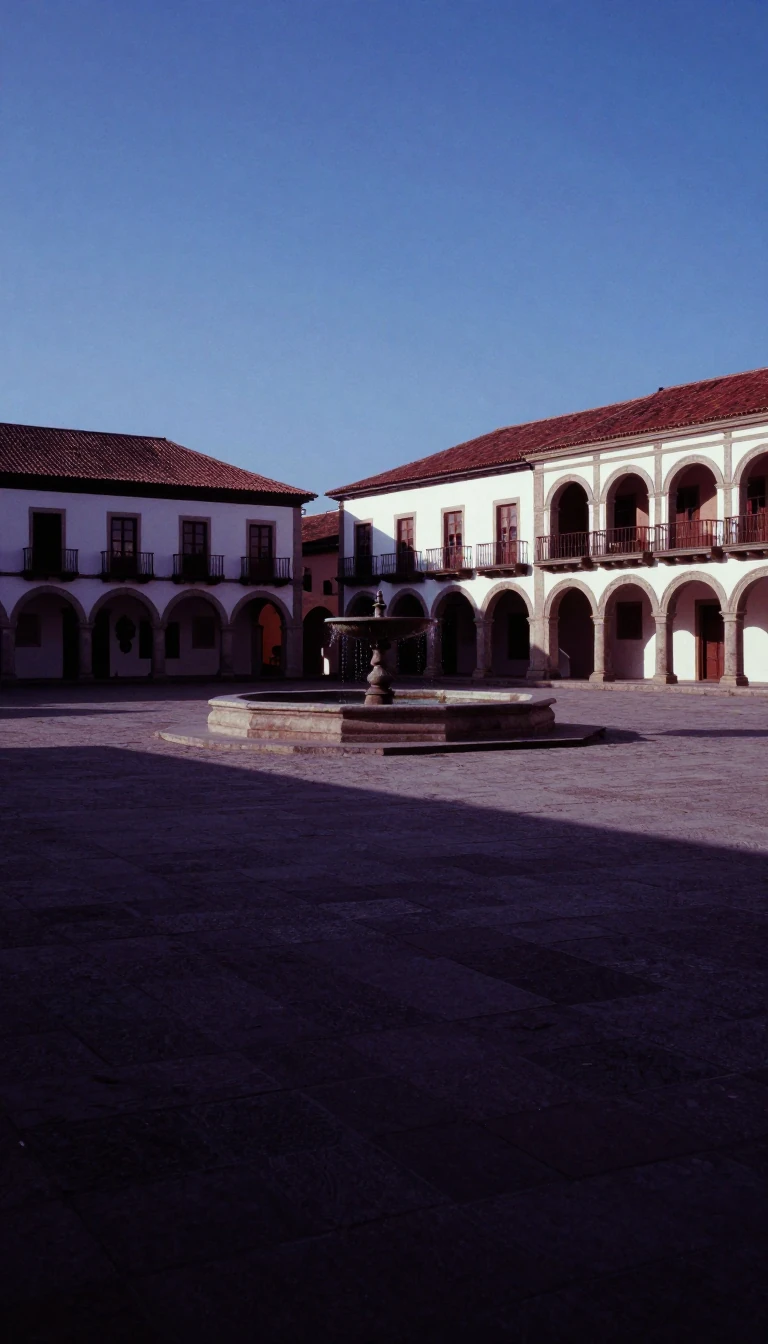
In short: The Plaza de Armas was once a marshy expanse at the center of the Inca Empire. After Spanish conquest, the site was paved over and built upon, replacing ancient palaces with colonial cathedrals. Today, this historic core remains a vibrant, contested space where layers of history hide in plain sight.
Before it became the administrative and religious hub of the Inca Empire, the Plaza de Armas was a swamp fed by the Saphy and Tullumayo rivers. Manco Cápac, the founder of the city, initially settled nearby to avoid neighboring threats. His successors, Sinchi Roca and later Pachacuti, systematically drained the area, using earth from the mountains and sand from the coast to create a solid foundation for the imperial capital.
During the Inca era, the square was significantly larger than its modern footprint, encompassing what are now the Plaza Regocijo and surrounding city blocks. It served as the primary stage for state ceremonies, military celebrations, and the reception of war spoils. The square was ringed by the grand palaces of Inca rulers, including Pachacuti’s Qasana and Huayna Capac’s Amaru Cancha. Scholars still debate the square's original name, with theories ranging from 'place of the warrior' to 'sacred place' or 'place of weeping,' the latter reflecting the solemn meditation rituals of the Inca nobility.
The Spanish arrival in 1534 fundamentally altered the landscape. New rulers constructed Catholic temples and mansions directly atop the ruins of Inca palaces. By 1545, sand from the square was being repurposed for the construction of the Cusco Cathedral. Later, in 1555, officials authorized the construction of buildings directly in the middle of the original plaza, permanently fragmenting the space. Today, the area is a UNESCO World Heritage site, where colonial architecture dominates, though many buildings still retain Inca walls in their foundations.
Modern Cusco continues to use the square as its central axis for festivals and civic life. While the site now hosts international franchises and tourist amenities, it remains the stage for traditional celebrations like Corpus Christi and modern political rallies. The area is the most expensive real estate in the city, serving as a testament to its enduring role as the heart of the region's cultural and economic life.
Opens the Intellect+ feed with this card first. Swipe up for the next one.
Sources
- Summary by Intellect · source: Plaza de Armas (Cusco)
To cite this card, link to https://intellectplus.co.uk/app/places-plaza-de-armas-cusco.
How we source, check and correct cards: Editorial standards.
General information, not professional advice. Spotted an error? Flag the card or see corrections and complaints.
Intellect Plus is a visual educational discovery platform for exploring fascinating facts and ideas. Brain Food, Not Brain Rot. What is Intellect Plus?
Related
More in World Heritage Sites · More in Countries & Cities · Latest · A–Z · All topics
