How a Sultan’s architectural ambition turned a 16th-century mosque into a political statement
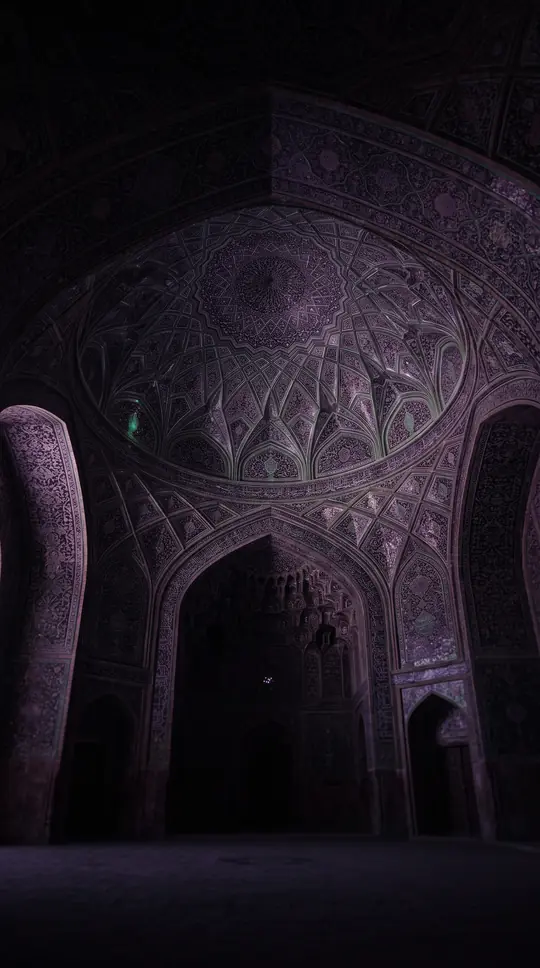
In short: Commissioned by Suleiman the Magnificent, the Süleymaniye Mosque was more than a place of worship. Designed by the legendary architect Sinan, this sprawling complex served as a deliberate display of imperial power, designed to surpass the ancient Hagia Sophia and cement the Sultan’s legacy as a second Solomon.
The Süleymaniye Mosque, constructed between 1550 and 1557 in Istanbul, stands as a testament to the zenith of Ottoman political and cultural influence. Sultan Suleiman I, who reigned from 1520 to 1566, commissioned the project to demonstrate his authority and legitimacy. By building a structure that referenced the 6th-century Hagia Sophia—a long-standing symbol of sovereignty—Suleiman sought to eclipse his predecessors. The Sultan often identified with the biblical King Solomon, and the mosque’s design, including his own mausoleum, reflects this connection to Jerusalem’s sacred architecture.
The architect behind this masterpiece was Sinan, a former Janissary who rose to become the chief architect of the Ottoman Empire. Sinan’s design for the Süleymaniye utilized a massive central dome pierced by 32 openings, creating an interior filled with light. The complex was not merely a mosque; it was a vast social center, or külliye, housing four madrasas, a hospital, a medical school, a kitchen-refectory, baths, and shops. This integration of religious and charitable facilities reinforced the Sultan’s role as an orthodox Sunni ruler, particularly during his geopolitical confrontations with the Safavid dynasty.
The construction process was a massive undertaking that involved repurposing materials from across the empire. Contemporary observers noted that marble columns were sourced from sites like the Hippodrome to support the structure. While the mosque was inaugurated in 1557, work on the surrounding complex continued for years, with final expenses recorded in 1559. Despite suffering damage from a 1660 fire and a 1766 earthquake, the Süleymaniye remains one of the most significant examples of Ottoman architecture, showcasing Sinan’s ability to adapt traditional forms to meet the practical needs of Islamic prayer while projecting immense scale and power.
Opens the Intellect+ feed with this card first. Swipe up for the next one.
Sources
- Summary by Intellect · source: Süleymaniye Mosque | Description, History, & Facts | Britannica
- Also: Süleymaniye Mosque
To cite this card, link to https://intellectplus.co.uk/app/society-s-leymaniye-mosque.
How we source, check and correct cards: Editorial standards.
General information, not professional advice. Spotted an error? Flag the card or see corrections and complaints.
Intellect Plus is a visual educational discovery platform for exploring fascinating facts and ideas. Brain Food, Not Brain Rot. What is Intellect Plus?
Related
More in Society · Latest · A–Z · All topics
