The town square built on a 25-acre donation and a fire
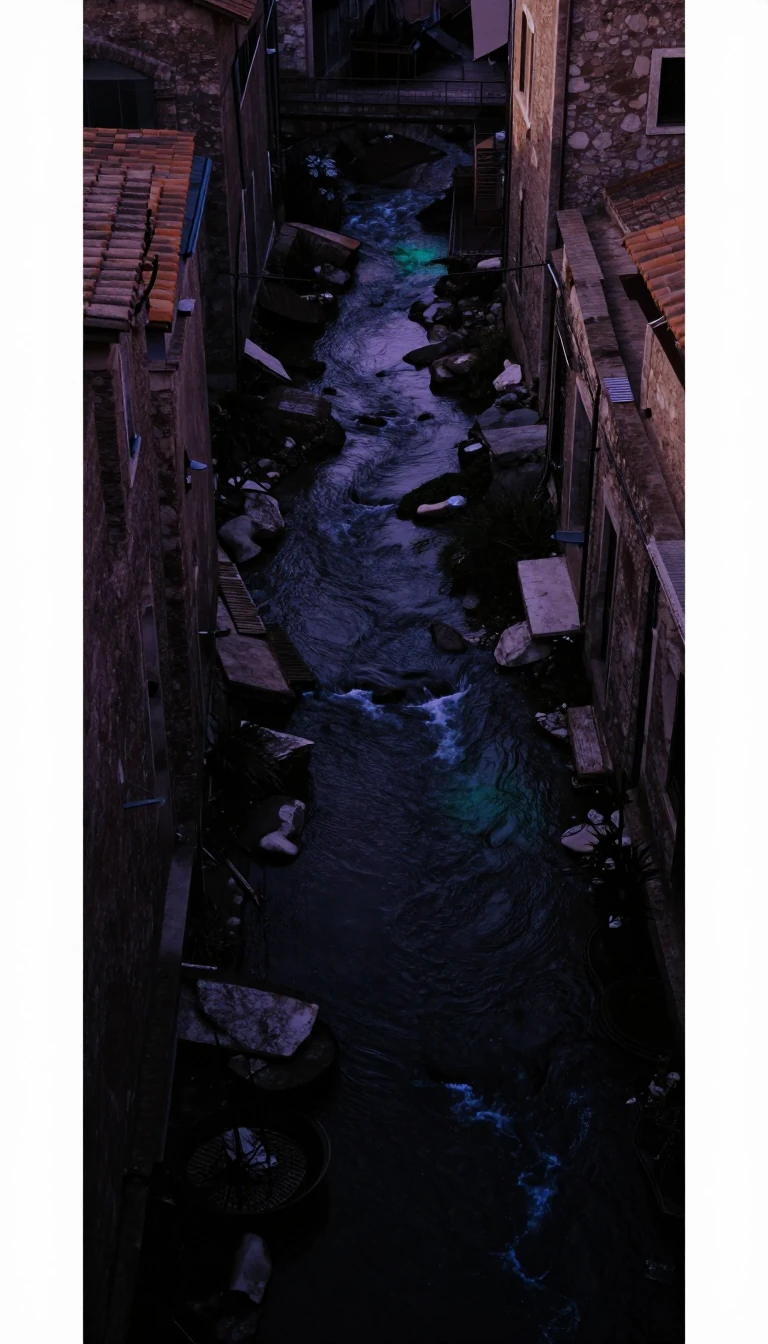
In short: Sevierville wasn't just born from a map; it was carved out of a donated tract of land and forged in the aftermath of a devastating fire. From its origins as a trading post to its role as a strategic crossroads, the city’s layout reflects a history of reconstruction and resilience.
Sevierville’s urban core began in 1795 at the 'Forks of the Little Pigeon,' a site chosen for its strategic location. James McMahan donated a 25-acre tract of land specifically to establish a town square. To ensure a sense of permanence and order, the land was parceled into 0.5-acre lots, with a strict requirement that purchasers build structures made of brick, stone, or frame. The town's physical evolution was frequently interrupted by disaster. A major fire in 1856 destroyed the courthouse and 41 houses, wiping out nearly all early settler records. A second fire in 1900 forced a massive shift in the town's geography; businesses moved from the original Main Street square to the new Sevierville Commercial District, centered on Court Avenue and Bruce Street.
The city’s growth was also shaped by its role as a transportation hub. In the early 19th century, it served as a vital link for cattle drovers via Route 17 and for flatboat trade moving toward New Orleans. By 1820, a stagecoach road connected it to Maryville, cementing its status as a regional center. This infrastructure eventually paved the way for the Smoky Mountain Railroad in 1910 and the completion of U.S. 441 in 1934, which facilitated the massive influx of tourists following the 1934 opening of the Great Smoky Mountains National Park.
The town's identity is further layered by its diverse architectural contributions. While the 1895 Sevier County Courthouse stands as a Beaux Arts landmark, the post-war construction boom of the 1870s saw significant contributions from African-American builders. Lewis Buckner designed numerous homes, while Isaac Dockery contributed to both the courthouse and the New Salem Baptist Church, ensuring the city's physical fabric reflects its complex social history.
Opens the Intellect+ feed with this card first. Swipe up for the next one.
Sources
- Summary by Intellect · source: Sevierville, Tennessee
To cite this card, link to https://intellectplus.co.uk/app/society-sevierville-tennessee.
How we source, check and correct cards: Editorial standards.
General information, not professional advice. Spotted an error? Flag the card or see corrections and complaints.
Intellect Plus is a visual educational discovery platform for exploring fascinating facts and ideas. Brain Food, Not Brain Rot. What is Intellect Plus?
Related
More in Housing · More in Society · Latest · A–Z · All topics
