Asheville's turbulent history is etched into its mountain landscape and its modern urban identity.
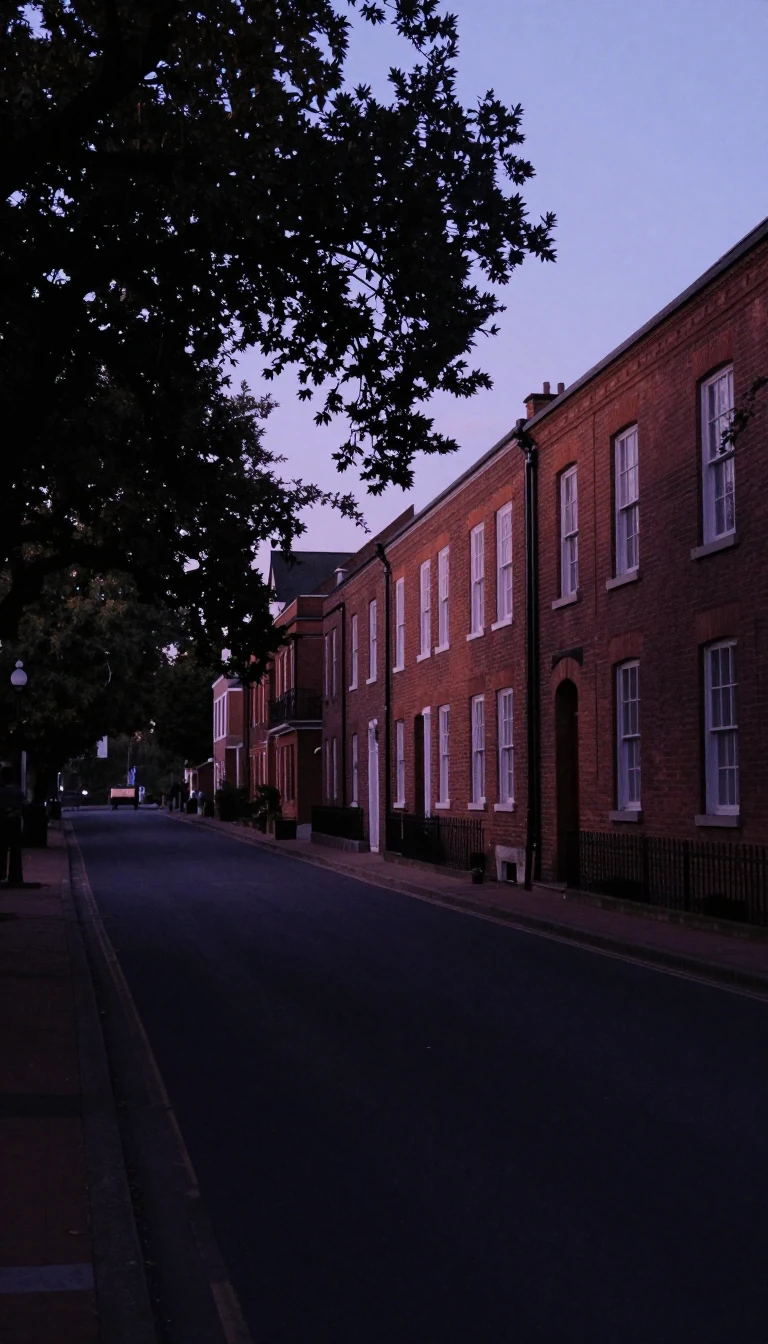
In short: Nestled where two major rivers meet in the Blue Ridge Mountains, Asheville has evolved from Cherokee hunting grounds to a hub of Art Deco architecture and, more recently, a site of significant climate-driven devastation. Its story is a complex tapestry of industrial ambition, racial displacement, and persistent environmental challenges.
Long before European arrival, the Cherokee Nation utilized the river junction for meetings and hunting, naming the site for its racing grounds. By 1540, Spanish explorers had arrived, introducing diseases that decimated the indigenous population. European settlement began in earnest in 1784, following the American Revolution, leading to the formation of Buncombe County in 1792. The city was officially incorporated as Asheville in 1797, named after Governor Samuel Ashe.
The 19th and 20th centuries brought both prosperity and profound struggle. The arrival of the railroad in 1880 sparked industrial growth, yet the city faced catastrophic debt during the Great Depression. Paradoxically, this financial stagnation preserved much of the city's downtown, leaving behind a rare, comprehensive collection of Art Deco buildings. However, the mid-20th century also saw aggressive urban renewal projects that displaced over half of the city's Black population, fundamentally altering the demographic landscape of neighborhoods like Montford and Kenilworth.
Asheville’s geography remains central to its identity and its vulnerability. Located in an Appalachian temperate rainforest, the city is prone to severe weather. While it once served as a refuge from the extreme heat of the Piedmont, it has faced repeated flooding, most recently in September 2024. Hurricane Helene caused record-breaking devastation, destroying critical infrastructure and isolating the region. Today, the city continues to grapple with this legacy, balancing its historical preservation efforts with modern initiatives, such as the 2020 commitment to reparations for Black residents and ongoing recovery from environmental disasters.
Opens the Intellect+ feed with this card first. Swipe up for the next one.
Sources
- Summary by Intellect · source: Asheville, North Carolina
- Also: Wikidata — Asheville · CC0
- Also: Wikidata — Asheville, North Carolina · CC0
To cite this card, link to https://intellectplus.co.uk/app/places-asheville-north-carolina.
How we source, check and correct cards: Editorial standards.
General information, not professional advice. Spotted an error? Flag the card or see corrections and complaints.
Intellect Plus is a visual educational discovery platform for exploring fascinating facts and ideas. Brain Food, Not Brain Rot. What is Intellect Plus?
Related
More in Cities · More in Countries & Cities · Latest · A–Z · All topics
