Why a Sasanian King Built a Greek-Style City to Celebrate Defeating Rome
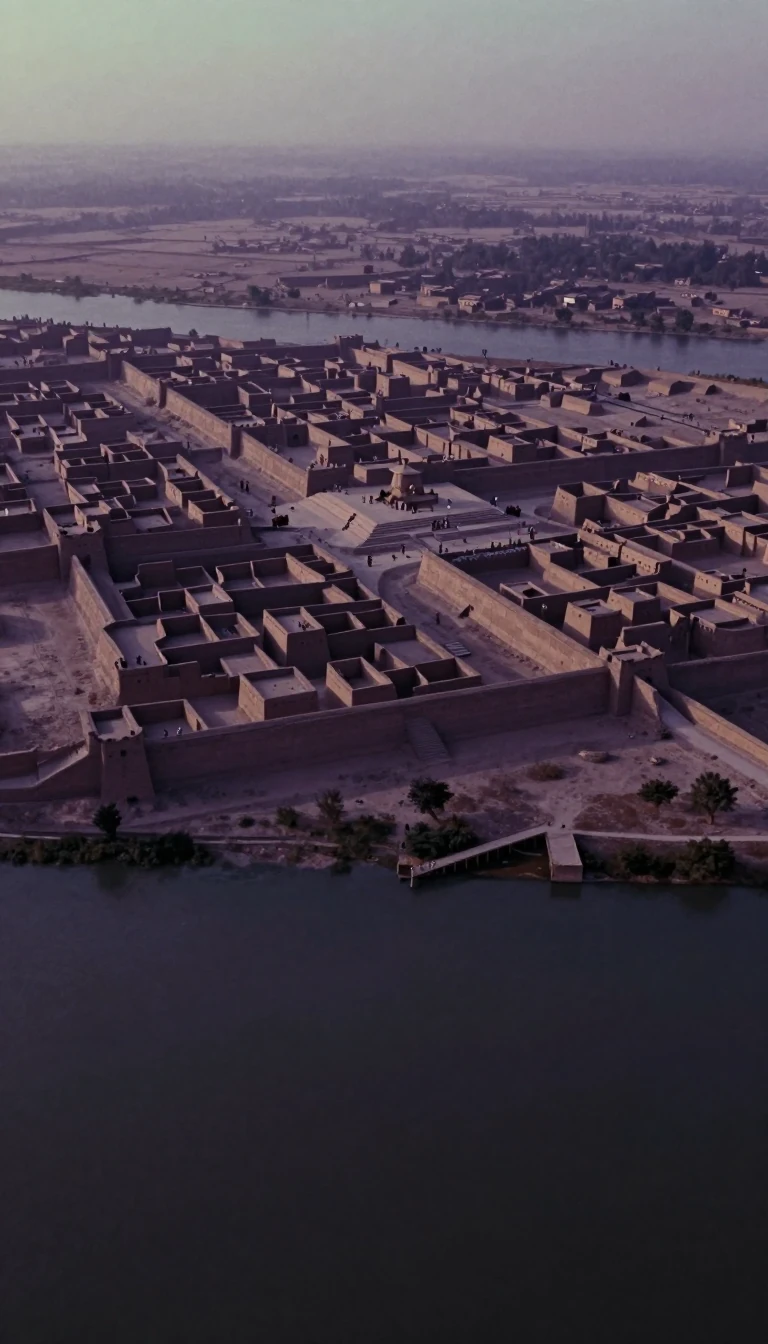
In short: Founded in 266 AD by Shapur I, Bishapur was a Sasanian capital designed by Roman prisoners using Greek urban planning. It stood as a defiant monument to Persian military victory, featuring a grid layout that was unique in Iranian architecture, yet it eventually succumbed to centuries of conquest and seismic ruin.
Bishapur was established in 266 AD by the Sasanian king Shapur I to commemorate his triple victory over the Roman Empire, which included the capture of Emperor Valerian. Shapur commissioned an architect named Apasa from Harran to design the city, which was built upon the ruins of an older settlement called Din-Della. In a striking act of irony, the city was constructed by Roman prisoners of war using the Greek urban planning principles of Hippodamus of Miletus. This rectangular, grid-based layout was an anomaly in Iranian architecture and was never replicated elsewhere in the region.
At its peak, the city was a thriving metropolis with a population estimated between 50,000 and 80,000, serving as a provincial center and a birthplace for Sasanian royalty. It featured elaborate structures, including fire temples, audience halls, and a palace specifically built for the captured Roman Emperor Valerian, who reportedly lived and died there. The city's name itself reflects its grandeur; some historians suggest it evolved from a phrase meaning 'better than Antioch,' highlighting Shapur's ambition to rival the great cities of the Eastern Roman Empire.
The city's decline began following the Arab conquest in the 7th century, marked by repeated rebellions and suppression. While the Buyid dynasty briefly restored some of its prosperity in the 4th century AH, the city was eventually razed by Abu Sa'id Shabankara in 495 AH and subsequently devastated by an earthquake. Today, the site remains largely mysterious, with archaeological efforts—pioneered by Georges Salles and Roman Ghirshman in the 1930s—having uncovered only about three percent of the city. The remaining ninety-seven percent lies buried, awaiting future exploration, including new excavations focused on the Valerian Palace announced in 2025.
Opens the Intellect+ feed with this card first. Swipe up for the next one.
Sources
- Summary by Intellect · source: Bishapur
To cite this card, link to https://intellectplus.co.uk/app/technology-bishapur.
How we source, check and correct cards: Editorial standards.
General information, not professional advice. Spotted an error? Flag the card or see corrections and complaints.
Intellect Plus is a visual educational discovery platform for exploring fascinating facts and ideas. Brain Food, Not Brain Rot. What is Intellect Plus?
Related
More in Inventions · More in Technology · Latest · A–Z · All topics
